Healthy Snacks
In a school setting, providing nutritious snacks is essential for the overall well-being of students and educators. Healthy snack options not only fuel the body but also support cognitive function and concentration levels throughout the day.
Examples of Nutritious Snacks:
- Fresh fruits like apples, bananas, and berries
- Vegetable sticks with hummus or guacamole
- Whole grain crackers with cheese
- Greek yogurt with granola and honey
Importance of Healthy Snacks:
Wellness programs for schools and educators – Healthy snacks help regulate blood sugar levels, provide essential nutrients, and improve overall well-being. By offering nutritious options, schools can promote healthier eating habits among students and educators.
Impact on Concentration Levels:
Research shows that consuming healthy snacks can enhance focus, memory, and cognitive function. By avoiding sugary and processed snacks, individuals can maintain consistent energy levels and better concentration throughout the school day.
Benefits of Fruits, Vegetables, and Whole Grains:
- Fruits provide vitamins, minerals, and antioxidants that support immune function.
- Vegetables offer fiber for digestive health and essential nutrients for overall wellness.
- Whole grains provide sustained energy and help regulate blood sugar levels.
Wellness Programs
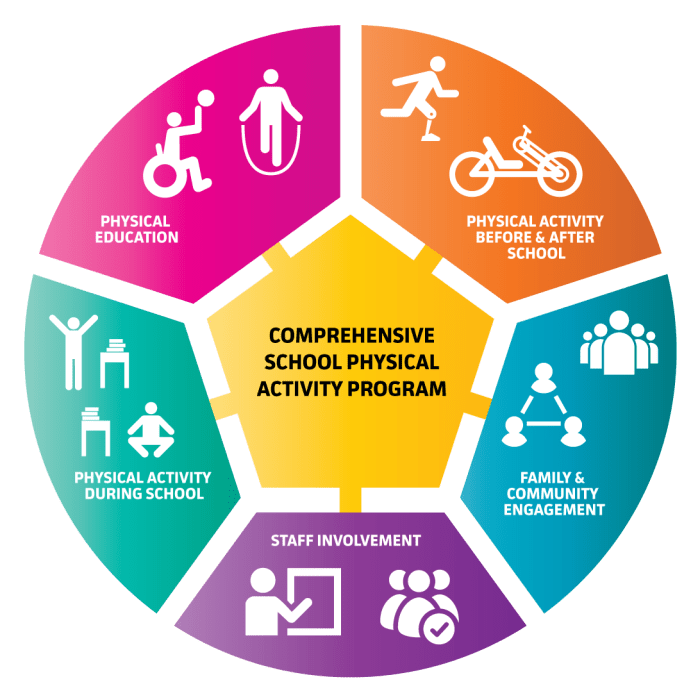
Wellness programs for schools and educators are essential for promoting a healthy lifestyle and overall well-being. These programs typically include a combination of physical activities, mental health initiatives, nutritional guidance, and stress management techniques.
Components of Effective Wellness Programs
Effective wellness programs for schools and educators often consist of regular physical exercise routines, mindfulness practices, nutritional education, mental health support services, and opportunities for social connection. These components work together to create a holistic approach to well-being.
Success Stories of Schools Implementing Wellness Programs
Schools that have implemented comprehensive wellness programs have reported positive outcomes such as improved student engagement, reduced absenteeism, increased focus and productivity, and a sense of community among students and educators. By prioritizing wellness, these schools have created a supportive environment conducive to learning and personal growth.
Role of Wellness Programs in Reducing Stress and Improving Overall Health
Wellness programs play a crucial role in reducing stress levels among students and educators by providing tools and resources to manage stress effectively. By incorporating stress-reducing activities such as yoga, meditation, breathing exercises, and relaxation techniques, wellness programs help individuals cope with daily challenges and improve their mental and emotional well-being. Additionally, promoting healthy habits and lifestyle choices through wellness programs contributes to overall health and longevity.
Examples of Engaging Activities within Wellness Programs
Engaging activities within wellness programs can include fitness classes, nature walks, team-building exercises, cooking workshops, mental health workshops, art therapy sessions, and community service projects. These activities are designed to promote physical, mental, and emotional well-being while fostering a sense of belonging and support within the school community.
Physical Therapy: Wellness Programs For Schools And Educators
Physical therapy plays a crucial role in promoting the well-being of educators in a school setting. By focusing on improving mobility, preventing injuries, and reducing pain, physical therapy can enhance the overall health and quality of life for educators.
Benefits of Physical Therapy for Educators
- Enhanced Mobility: Physical therapy helps educators improve their flexibility, strength, and range of motion, allowing them to move more freely and comfortably throughout their daily activities.
- Injury Prevention: Through targeted exercises and techniques, physical therapy can help educators reduce the risk of common injuries such as strains, sprains, and muscle imbalances.
- Pain Management: Physical therapy can alleviate chronic pain and discomfort, enabling educators to focus on their work without being hindered by physical limitations.
Incorporating Physical Therapy Techniques and Exercises
- Stretching: Incorporating daily stretching exercises can help educators maintain flexibility and reduce muscle tension.
- Strength Training: Implementing strength training routines can enhance muscle endurance and protect against injuries caused by weak muscles.
- Posture Correction: Physical therapy can address poor posture habits and provide guidance on maintaining proper alignment to prevent strain on the body.
Impact of Physical Therapy on Overall Well-Being
- Improved Quality of Life: By promoting physical health and mobility, physical therapy contributes to a better quality of life for educators, allowing them to engage in their work and personal activities with ease.
- Enhanced Mental Health: Physical therapy can also have a positive impact on mental well-being by reducing stress, improving mood, and boosting self-confidence.
- Long-Term Health Benefits: Consistent engagement in physical therapy can lead to long-term health benefits, such as reduced risk of chronic conditions and improved overall fitness levels.
Health Coaching
Health coaches play a crucial role in supporting educators’ health and wellness by providing personalized guidance and motivation to help them achieve their fitness goals. By offering tailored strategies and ongoing support, health coaching can make a significant impact on educators’ overall well-being.
Benefits of Health Coaching for Educators
- Assisting educators in setting realistic fitness goals based on their individual needs and preferences.
- Providing ongoing support and accountability to help educators stay on track with their wellness journey.
- Offering personalized strategies for stress management, nutrition, and physical activity to improve overall health.
- Empowering educators to make sustainable lifestyle changes for long-term health benefits.
Examples of Health Coaching Strategies for Educators
- Creating personalized workout plans tailored to educators’ busy schedules and fitness levels.
- Offering guidance on healthy meal planning and snack options to support energy levels throughout the day.
- Implementing stress-reducing techniques such as mindfulness practices and relaxation exercises.
- Tracking progress and celebrating achievements to boost motivation and confidence.
Medical Advancements
Medical advancements play a crucial role in improving the overall health and wellness of educators. These advancements have not only enhanced healthcare access but also introduced innovative treatments and therapies that can benefit educators. Let’s delve into recent medical breakthroughs and their impact on preventive healthcare measures for educators.
Technological Advancements in Healthcare
Technological advancements have revolutionized healthcare access for educators, making it easier for them to receive timely and efficient medical care. Telemedicine, for example, allows educators to consult with healthcare providers remotely, saving time and increasing accessibility to healthcare services. Wearable health devices also help educators track their health metrics and stay proactive about their well-being.
Innovative Medical Treatments
Innovative medical treatments such as regenerative medicine, precision medicine, and immunotherapy have shown promising results in treating various health conditions. Educators can benefit from these cutting-edge therapies to manage chronic illnesses, improve overall health, and enhance their quality of life.
Impact on Preventive Healthcare Measures
Medical advancements have significantly impacted preventive healthcare measures for educators by introducing advanced screening techniques, personalized medicine, and early intervention strategies. With the help of genetic testing and predictive analytics, educators can identify health risks early on and take proactive steps to prevent diseases before they escalate.
Fitness Goals
Setting fitness goals is crucial for educators to enhance their overall health and well-being. By establishing clear objectives, educators can stay motivated, track their progress, and make positive changes to their lifestyle. Achieving fitness goals not only benefits the individual but also sets a positive example for students and colleagues.
Importance of Setting Fitness Goals
- Setting fitness goals provides educators with a clear direction and purpose for their physical activities.
- It helps in creating a sense of accomplishment and boosts self-confidence when goals are achieved.
- Tracking fitness goals allows educators to monitor their progress, make necessary adjustments, and stay accountable.
- Having fitness goals improves overall health, energy levels, and mental well-being, leading to increased productivity and job satisfaction.
Strategies for Tracking and Achieving Fitness Goals
- Utilize fitness tracking apps or journals to record workouts, nutrition intake, and progress towards goals.
- Set SMART goals – Specific, Measurable, Achievable, Relevant, and Time-bound – to ensure clarity and effectiveness.
- Seek support from colleagues or join fitness groups to stay motivated and accountable.
- Regularly assess and adjust fitness goals based on progress and individual needs.
Examples of Fitness Challenges for School Environments
- Organize a step challenge where educators compete to achieve the highest number of steps daily or weekly.
- Implement a wellness week with different themed fitness activities such as yoga classes, group workouts, or nutrition workshops.
- Create a school-wide fitness challenge with rewards for achieving specific fitness milestones or goals.
- Encourage participation in sports events or fun runs to promote physical activity and teamwork among educators.
Benefits of Achieving Fitness Goals
- Boosts morale and motivation among educators, leading to a positive work environment and increased job satisfaction.
- Improves overall health and well-being, reducing the risk of chronic diseases and enhancing longevity.
- Increases energy levels, focus, and productivity, allowing educators to perform at their best in and out of the classroom.
- Sets a positive example for students and colleagues, inspiring a culture of health and wellness within the school community.
Balanced Nutrition
Maintaining a balanced nutrition is crucial for educators as it directly impacts their overall health and well-being. A diet rich in essential nutrients not only boosts energy levels but also enhances cognitive function, allowing educators to perform at their best.
Significance of Balanced Nutrition for Educators
Balanced nutrition plays a key role in supporting educators’ health by providing the necessary vitamins, minerals, and nutrients needed for optimal functioning. A well-rounded diet can help improve immune function, reduce the risk of chronic diseases, and promote overall wellness.
Tips for Maintaining a Balanced Diet
- Plan ahead: Take time to meal prep for the week to ensure healthy options are readily available.
- Choose whole foods: Opt for whole grains, lean proteins, fruits, and vegetables to fuel your body.
- Stay hydrated: Drink plenty of water throughout the day to stay hydrated and maintain energy levels.
- Avoid processed foods: Limit intake of processed foods high in sugar, salt, and unhealthy fats.
Impact of Balanced Nutrition on Energy Levels and Cognitive Function
A diet focused on balanced nutrition can significantly impact energy levels and cognitive function. Nutrient-dense foods provide sustained energy throughout the day, while supporting brain health and cognitive performance. Educators who prioritize balanced nutrition often experience increased focus, productivity, and overall well-being.
Meal Planning Strategies for Educators
Meal planning can help educators stay on track with their nutrition goals and make healthy eating more convenient. Consider the following strategies:
- Create a weekly meal plan: Artikel meals and snacks for the week to streamline grocery shopping and meal preparation.
- Batch cook: Prepare large batches of meals and portion them out for easy grab-and-go options.
- Incorporate variety: Include a mix of different food groups to ensure a well-rounded diet.
- Listen to your body: Pay attention to hunger cues and adjust your meal plan accordingly to meet your nutritional needs.
Mental Strength
Building mental strength is crucial for educators to maintain their well-being and effectively handle the challenges they face in their profession. It involves developing resilience, coping mechanisms, and the ability to manage stress effectively.
Techniques for Building Resilience
- Practice gratitude: Encouraging educators to focus on the positive aspects of their work and personal lives can help cultivate resilience.
- Develop problem-solving skills: Teaching educators how to approach challenges with a solution-oriented mindset can enhance their ability to bounce back from setbacks.
- Encourage self-care: Emphasizing the importance of self-care practices such as exercise, adequate sleep, and relaxation techniques can contribute to building resilience.
Mindfulness Practices for Enhancing Mental Strength
- Deep breathing exercises: Teaching educators how to engage in deep breathing exercises can help them stay present and reduce stress levels.
- Mindful meditation: Introducing educators to mindfulness meditation practices can enhance their focus, attention, and emotional regulation.
- Body scan techniques: Guiding educators through body scan exercises can help them become more aware of their physical sensations and release tension.
Examples of Mental Strength Exercises for Educators
- Positive affirmations: Encouraging educators to practice positive self-talk and affirmations can boost their confidence and resilience.
- Journaling: Suggesting educators keep a gratitude journal or write about their thoughts and emotions can help them process their experiences and build mental strength.
- Visualization: Guiding educators through visualization exercises where they imagine themselves successfully overcoming challenges can enhance their mental resilience.
Yoga Practice
Yoga is a holistic practice that not only benefits physical health but also enhances mental well-being. For educators, integrating yoga into their daily routine can have a significant positive impact on their overall health and wellness.
Benefits of Yoga Practice for Educators
- Improves physical health by increasing flexibility and strength.
- Reduces stress and anxiety levels, promoting mental clarity and focus.
- Enhances mindfulness and self-awareness, leading to better emotional regulation.
- Promotes relaxation and better sleep quality, essential for overall well-being.
Simple Yoga Poses for Educators
- Child’s Pose: Helps to release tension in the back and shoulders.
- Mountain Pose: Improves posture and promotes grounding and stability.
- Seated Forward Fold: Stretches the back and hamstrings, reducing stiffness.
- Corpse Pose: Encourages deep relaxation and stress relief.
Impact of Yoga on Reducing Stress and Improving Flexibility
Yoga has been proven to be an effective tool in reducing stress levels by promoting relaxation and mindfulness. The practice also helps improve flexibility by stretching and strengthening muscles, leading to better mobility and range of motion.
Yoga Workshops for Educators
Educators can benefit from specialized yoga workshops or classes that cater to their unique needs and challenges. These workshops can focus on stress management techniques, mindfulness practices, and relaxation exercises specifically tailored for educators in a school setting.
Health Education
Health education plays a crucial role in promoting wellness among educators by equipping them with the knowledge and skills needed to make healthy choices and maintain a balanced lifestyle. Educators who are well-informed about health and wellness are better able to take care of themselves, manage stress, and serve as positive role models for their students.
Strategies for Delivering Health Education Workshops
- Utilize interactive activities and group discussions to engage participants and encourage active learning.
- Provide practical tips and strategies that educators can easily incorporate into their daily routines.
- Offer resources such as handouts, online tools, and apps to support ongoing learning and behavior change.
- Collaborate with experts in the field to deliver up-to-date and evidence-based information.
Importance of Health Literacy for Educators
Health literacy is essential for educators to understand health information, make informed decisions, and advocate for their own well-being. Educators with high health literacy levels are better equipped to navigate the complexities of the healthcare system, communicate effectively with healthcare providers, and access resources to support their health goals.
Engaging Health Education Materials for School Staff
- Infographics and visual aids that simplify complex health topics and highlight key takeaways.
- Interactive online modules or webinars that allow educators to learn at their own pace and convenience.
- Real-life case studies and success stories that inspire and motivate educators to prioritize their health.
- Hands-on workshops and demonstrations that provide practical skills and strategies for improving health and well-being.
Weight Management
Maintaining a healthy weight is crucial for overall well-being, especially for educators who play a vital role in shaping the minds of future generations. Weight management not only impacts physical health but also influences mental strength and productivity in the classroom.
Significance of Weight Management for Educators
- Healthy weight management can boost energy levels, improving focus and concentration during teaching hours.
- Proper weight management can reduce the risk of obesity-related conditions such as diabetes, heart disease, and joint problems.
- Teachers who prioritize weight management serve as positive role models for students, promoting healthy lifestyle choices.
Healthy Weight Management Strategies for Educators
- Focus on balanced nutrition by incorporating a variety of fruits, vegetables, lean proteins, and whole grains into meals.
- Stay hydrated throughout the day by drinking plenty of water and limiting sugary beverages.
- Engage in regular physical activity such as walking, yoga, or strength training to maintain muscle mass and burn calories.
Impact of Weight Management on Chronic Diseases
- Effective weight management can significantly reduce the risk of chronic diseases like type 2 diabetes, hypertension, and cardiovascular issues.
- Maintaining a healthy weight can also improve overall immune function, reducing susceptibility to illnesses.
Weight Management Programs for School Settings
- Implement wellness challenges that encourage healthy eating habits and physical activity among educators, fostering a supportive environment.
- Offer nutrition workshops and cooking classes to educate teachers on making nutritious food choices and meal preparation.
- Collaborate with fitness professionals to design tailored workout plans for educators to achieve their weight management goals.
Health Checkups
Regular health checkups are essential for educators to maintain their well-being and ensure they are in good health to effectively carry out their roles in schools. These checkups play a crucial role in preventing and detecting any health issues early on, allowing for timely intervention and treatment.
Importance of Health Checkups for Educators
- Regular health checkups help in monitoring overall health and identifying any potential risks or concerns.
- Early detection of health issues through screenings can lead to better outcomes and prevent complications.
- Health checkups promote a proactive approach to wellness and encourage educators to prioritize their health.
Guidelines for Scheduling Health Checkups and Screenings
- Educators should schedule annual checkups with their primary care physician or a healthcare provider.
- Regular screenings for blood pressure, cholesterol, diabetes, and other relevant tests should be conducted based on age and risk factors.
- Follow recommendations for vaccinations, screenings for cancer, and other preventive measures as advised by healthcare professionals.
Role of Preventive Health Screenings
- Preventive health screenings help in early detection of conditions such as hypertension, diabetes, and certain cancers.
- Screenings can identify risk factors and allow for lifestyle modifications or medical interventions to prevent the progression of diseases.
- Regular screenings contribute to overall wellness by promoting a proactive approach to health maintenance.
Examples of Health Checkup Initiatives in Schools
- Implementing annual health fairs where educators can receive screenings for various health parameters.
- Partnering with local healthcare providers to offer on-site checkups and screenings for educators.
- Incorporating health checkups as part of the school wellness program to promote a culture of health and well-being among staff.
Skin Health
Skin health is a crucial aspect of overall well-being for educators, as it plays a significant role in their physical appearance, confidence, and overall health. Maintaining healthy skin can also boost morale and productivity in the workplace.
Importance of Skin Health
- Healthy skin protects the body from harmful bacteria and viruses.
- It helps regulate body temperature and prevents dehydration.
- Good skin health contributes to a positive self-image and boosts confidence.
- Proper skincare can prevent premature aging and skin conditions.
Tips for Maintaining Healthy Skin
- Stay hydrated by drinking plenty of water throughout the day.
- Follow a consistent skincare routine with gentle cleansers and moisturizers.
- Avoid excessive sun exposure and always wear sunscreen.
- Get an adequate amount of sleep to allow your skin to regenerate.
Common Skin Conditions and Solutions
- Acne: Use gentle cleansers and spot treatments; consider consulting a dermatologist for severe cases.
- Eczema: Moisturize regularly and avoid harsh soaps; identify and avoid triggers that worsen symptoms.
- Skin Sensitivity: Use fragrance-free products and patch-test new skincare items.
Skincare Routines for Educators
- Morning Routine: Cleanse, tone, moisturize, and apply sunscreen before heading to work.
- Evening Routine: Remove makeup, cleanse, apply serums or treatments, and moisturize before bed.
- Weekly Treatments: Incorporate exfoliation and masks to maintain healthy skin.
Emotional Health
Emotional health plays a crucial role in the overall well-being of educators, impacting their ability to effectively manage stress, connect with students, and maintain a positive work-life balance.
Promoting Emotional Well-being and Resilience
- Practice mindfulness and relaxation techniques such as deep breathing exercises or meditation to reduce stress and promote emotional balance.
- Engage in regular physical activity to release endorphins and improve mood.
- Cultivate strong social connections with colleagues and friends for emotional support.
- Set boundaries and prioritize self-care to prevent burnout and maintain emotional resilience.
Importance of Seeking Support for Mental Health Concerns
It is essential for educators to seek professional help if they are experiencing persistent feelings of anxiety, depression, or other mental health issues.
- Reach out to a therapist or counselor for individual or group therapy sessions.
- Utilize employee assistance programs offered by schools for mental health support.
- Consider joining support groups or peer counseling sessions to connect with others facing similar challenges.
Emotional Health Resources for Educators
There are various resources available to support educators in enhancing their emotional well-being and seeking help when needed.
- Employee wellness programs that provide access to mental health services and resources.
- Online platforms offering mental health webinars, self-help tools, and virtual support groups.
- Professional development workshops focusing on stress management, emotional intelligence, and resilience building.
Health Motivation
Motivation plays a crucial role in helping educators maintain healthy habits and prioritize their well-being. It serves as the driving force behind making positive lifestyle changes and sticking to them in the long run.
Creating a supportive environment for health motivation can significantly impact educators’ overall well-being. When surrounded by encouragement, accountability, and resources, individuals are more likely to stay motivated and committed to their health goals.
Tips for Staying Motivated, Wellness programs for schools and educators
- Set achievable goals: Break down larger health goals into smaller, manageable steps to track progress and stay motivated.
- Find a workout buddy: Partnering up with a colleague or friend can make exercising more enjoyable and hold you accountable.
- Reward yourself: Celebrate milestones and achievements along the way to stay motivated and reinforce healthy habits.
- Stay positive: Focus on the benefits of leading a healthy lifestyle and practice self-compassion on challenging days.
Creating a Supportive Environment
- Organize wellness challenges: Engage educators in friendly competitions or team challenges to promote motivation and camaraderie.
- Offer wellness resources: Provide access to fitness classes, mental health workshops, and nutrition seminars to support educators’ well-being.
- Encourage peer support: Foster a culture where educators can share their health journeys, tips, and struggles to motivate each other.
Motivational Tools and Programs
- Wellness apps: Recommend apps that track fitness progress, offer healthy recipes, and provide motivational quotes to inspire educators.
- Workplace wellness programs: Implement initiatives like lunchtime yoga sessions, mindfulness workshops, or step challenges to boost motivation.
- Health coaching: Provide educators with access to health coaches who can offer personalized guidance, support, and motivation on their wellness journey.
Physical Activities
Regular physical activity is essential for educators to maintain their overall health and well-being. Incorporating physical activities into their daily routines not only improves their physical health but also enhances their mental strength and emotional well-being.
Simple Exercises for Educators
- Take short walks during breaks to stretch your legs and get some fresh air.
- Do desk exercises like leg lifts, shoulder rolls, and neck stretches to reduce stiffness.
- Practice deep breathing exercises to relax your mind and body.
- Try simple yoga poses like child’s pose, mountain pose, or seated spinal twist to improve flexibility.
Benefits of Regular Physical Activity
- Improves cardiovascular health and reduces the risk of chronic diseases.
- Boosts mood and reduces stress levels, leading to better focus and productivity.
- Enhances muscle strength, flexibility, and endurance, promoting better posture and overall body function.
- Aids in weight management and improves overall quality of life.
Tips for Integrating Physical Activities in Classroom Settings
- Encourage movement breaks during lessons to keep students and educators active.
- Incorporate physical activities into lesson plans, such as dance breaks or yoga sessions.
- Create a designated area in the classroom for stretching or quick exercises.
- Lead by example and participate in physical activities with your students to promote a healthy lifestyle.
Health Awareness
Raising health awareness among educators is crucial as they play a vital role in shaping the health behaviors of students. Educators serve as role models and influencers, making it essential for them to prioritize their own health and well-being in order to effectively promote healthy habits among students.
Strategies for Promoting Health Awareness Campaigns within Schools
- Organize workshops and seminars on various health topics such as nutrition, mental health, and physical fitness.
- Implement wellness programs that encourage regular health check-ups and screenings for educators.
- Integrate health education into the curriculum to ensure that students receive consistent messaging on the importance of health and well-being.
- Create a supportive environment that fosters open discussions about health-related issues and encourages positive lifestyle changes.
Impact of Health Awareness on Preventive Healthcare Measures
Health awareness initiatives can lead to early detection of health issues, promote healthy lifestyle choices, and encourage proactive measures to prevent diseases. Educators who are aware of the importance of health are more likely to practice preventive healthcare measures themselves and serve as advocates for these practices among students and their families.
Examples of Health Awareness Initiatives Targeted at Educators
- Offering free health screenings and vaccinations at school campuses.
- Implementing workplace wellness programs that focus on physical activity and stress management.
- Providing resources and training on mental health awareness and self-care practices.
- Collaborating with healthcare professionals to conduct educational sessions on various health topics.
Preventive Medicine
Preventive medicine plays a crucial role in maintaining the health of educators, helping them stay healthy and productive in their demanding roles.
Role of Preventive Medicine for Educators
Educators can adopt various preventive healthcare measures to safeguard their well-being and enhance their quality of life. Some examples include:
- Regular health check-ups to monitor vital signs and detect any potential health issues early on.
- Maintaining a balanced nutrition plan to support overall health and immunity.
- Incorporating physical activities into their daily routine to stay active and reduce the risk of chronic diseases.
- Practicing stress-management techniques such as mindfulness or meditation to promote mental well-being.
Benefits of Early Intervention and Preventive Screenings
Early intervention and preventive screenings can significantly benefit educators by:
- Identifying health issues at an early stage when they are more manageable and treatable.
- Reducing the overall healthcare costs associated with managing advanced health conditions.
- Improving the overall quality of life and longevity through proactive healthcare measures.
Creating a Preventive Medicine Plan for Educators
When creating a preventive medicine plan, educators can follow these tips:
- Consult with healthcare professionals to assess individual health risks and needs.
- Develop a personalized wellness routine that includes regular exercise, healthy eating, and stress management.
- Stay up-to-date with preventive screenings and vaccinations recommended for their age group.
- Engage in continuous health education to stay informed about the latest developments in preventive medicine.
Nutritional Counseling
When it comes to the overall well-being of educators, nutritional counseling plays a crucial role in helping them make informed food choices and maintain a healthy lifestyle. By working with a qualified nutritional counselor, educators can receive personalized guidance and support to improve their diet and overall health.
Benefits of Nutritional Counseling for Educators
- Customized meal plans to meet specific dietary needs and goals
- Educational resources on nutrition and healthy eating habits
- Accountability and support to stay on track with dietary changes
- Improved energy levels and overall well-being
Tips for Finding a Qualified Nutritional Counselor
- Look for certifications and credentials in nutrition or dietetics
- Ask for referrals from trusted sources, such as healthcare providers or colleagues
- Consider the counselor’s approach to nutrition and how it aligns with your goals
- Ensure clear communication and a good rapport with the counselor
How Nutritional Counseling Helps Educators Make Informed Food Choices
- Evaluating current dietary habits and identifying areas for improvement
- Learning how to read food labels and make healthier choices when eating out
- Understanding the impact of nutrition on overall health and well-being
- Building long-term strategies for maintaining a balanced diet
Successful Nutritional Counseling Programs for Educators
- On-site workshops and seminars on nutrition and healthy cooking
- Individual counseling sessions tailored to educators’ specific needs and goals
- Collaboration with school cafeterias to promote healthy eating options
- Online resources and support for ongoing nutritional guidance
Healthy Mind
Having a healthy mind is crucial for overall wellness, especially for educators who play a significant role in shaping the minds of students. A healthy mindset can positively impact not only their own well-being but also the learning environment they create for their students.
Strategies for Fostering a Healthy Mindset
- Practice mindfulness and meditation to reduce stress and improve focus.
- Engage in regular physical exercise to boost mood and overall mental health.
- Prioritize self-care activities such as hobbies, relaxation techniques, and adequate rest.
- Seek support from colleagues, mentors, or mental health professionals when needed.
Impact of Mental Well-Being on Physical Health
Maintaining good mental health not only improves cognitive function and emotional well-being but also has a direct impact on physical health. Chronic stress and negative thought patterns can manifest in physical symptoms, highlighting the importance of addressing mental wellness for overall health.
Examples of Mindfulness Practices and Mental Wellness Programs
- Implementing daily mindfulness exercises during staff meetings or professional development sessions.
- Offering workshops on stress management, resilience, and emotional intelligence.
- Providing access to mental health resources, such as counseling services or employee assistance programs.
- Incorporating relaxation techniques like deep breathing exercises or guided imagery into daily routines.
Key Questions Answered
How can wellness programs benefit both students and educators?
Wellness programs offer a holistic approach to health, promoting physical, mental, and emotional well-being for both students and educators.
Are wellness programs only focused on physical health?
No, wellness programs also address mental health, stress management, nutrition, and overall lifestyle habits to support a well-rounded approach to well-being.
How can schools implement effective wellness programs?
Schools can implement wellness programs by integrating healthy practices into daily routines, offering resources for physical activities, and providing education on well-being.
What role do wellness programs play in reducing stress levels?
Wellness programs help individuals develop coping mechanisms, relaxation techniques, and mindfulness practices to reduce stress and improve overall mental health.
Are wellness programs customizable to fit the needs of different schools and educators?
Yes, wellness programs can be tailored to address specific health concerns, preferences, and goals of different schools and educators.


More Stories
Nutritional counseling for womens health: Tailored Guidance for Wellness
Preventive medicine and integrative health approaches: A Holistic Approach to Wellness
Health awareness and fitness education: Promoting Wellness Through Knowledge and Exercise