Healthy Snacks
When it comes to maintaining energy levels throughout the day, choosing nutritious snacks is essential. These snacks not only provide a quick energy boost but also contribute to overall health and well-being.
Nutritious Snack Examples
- Fruits: Apples, bananas, berries
- Nuts and seeds: Almonds, walnuts, chia seeds
- Vegetables: Carrot sticks, cucumber slices
- Greek yogurt with honey and granola
Importance of Healthy Snacks
Healthy snacks play a crucial role in maintaining stable blood sugar levels, preventing overeating during meals, and providing essential nutrients for the body. Incorporating nutritious snacks into a daily diet can improve overall health and help in weight management.
Homemade vs. Store-Bought Snacks
- Homemade snacks allow you to control the ingredients used, avoiding added sugars, unhealthy fats, and artificial additives.
- Store-bought snacks may be convenient but often contain preservatives, high levels of sodium, and hidden sugars that can be detrimental to health.
- Opting for homemade snacks ensures freshness, quality ingredients, and personalized flavors to suit individual preferences.
Wellness Programs
Health awareness and fitness education – A comprehensive wellness program typically includes a variety of initiatives aimed at promoting the overall health and well-being of employees. These programs often incorporate elements such as health screenings, fitness challenges, nutritional counseling, mental health resources, and stress management techniques.
Components of a Comprehensive Wellness Program
- Regular health screenings to monitor key indicators such as blood pressure, cholesterol levels, and body mass index.
- Physical activity opportunities, such as fitness classes, gym memberships, or walking challenges.
- Nutritional guidance and education on making healthier food choices.
- Mental health support through counseling services, stress management workshops, or mindfulness training.
- Smoking cessation programs to help employees quit smoking and improve their overall health.
Benefits of Participating in Workplace Wellness Initiatives
- Improved physical health, leading to reduced healthcare costs and fewer sick days.
- Enhanced mental well-being, resulting in increased focus, creativity, and job satisfaction.
- Stronger sense of community and camaraderie among employees, fostering a positive work environment.
- Higher levels of employee engagement and productivity, ultimately benefiting the organization as a whole.
How Wellness Programs Can Improve Employee Morale and Productivity
- By promoting a healthy lifestyle, wellness programs show that the organization cares about the well-being of its employees, boosting morale and loyalty.
- Reduced stress levels and improved mental health from wellness initiatives can lead to better concentration and performance at work.
- Encouraging teamwork and friendly competition through fitness challenges or group activities can strengthen relationships among colleagues and increase motivation.
- Overall, investing in employee wellness can create a positive and productive work culture, benefiting both individuals and the company as a whole.
Physical Therapy
Physical therapy plays a crucial role in helping individuals recover from injuries, improve mobility, and manage chronic conditions. Through a combination of exercises, manual therapy, and education, physical therapists work to enhance patients’ overall quality of life.
Role of Physical Therapy in Injury Rehabilitation
Physical therapy is essential in the rehabilitation process following an injury. By designing personalized treatment plans, physical therapists help patients regain strength, flexibility, and function in the affected area. They also focus on reducing pain, improving balance, and preventing further injuries through targeted exercises and techniques.
Common Conditions Benefiting from Physical Therapy
- Orthopedic injuries such as fractures, sprains, and strains
- Neurological conditions like stroke, multiple sclerosis, and Parkinson’s disease
- Sports-related injuries including ligament tears and tendonitis
- Chronic pain conditions such as arthritis and fibromyalgia
Modalities Used in Physical Therapy Sessions
Physical therapists utilize various modalities to address different aspects of a patient’s condition. These may include:
- Therapeutic exercises to improve strength, flexibility, and endurance
- Manual therapy techniques like massage and joint mobilization to reduce pain and stiffness
- Electrical stimulation for muscle re-education and pain management
- Heat and cold therapy to reduce inflammation and promote healing
Health Coaching
Health coaching plays a crucial role in helping individuals achieve their wellness goals by providing personalized guidance and support. Health coaches work closely with clients to develop strategies for improving their overall health and well-being.
Responsibilities of a Health Coach
- Assessing the client’s current health status and goals
- Creating personalized nutrition and exercise plans
- Providing ongoing support and motivation
- Educating clients on healthy lifestyle choices
- Helping clients overcome barriers and challenges
Success Stories of Health Coaching
- John, a middle-aged man, lost 30 pounds and lowered his cholesterol levels through health coaching.
- Sarah, a busy professional, improved her energy levels and reduced stress with the help of her health coach.
- Mike, a diabetic patient, managed his condition effectively and improved his quality of life under the guidance of a health coach.
Importance of Personalized Health Coaching
Personalized health coaching takes into account individual needs, preferences, and challenges, making it more effective in achieving long-term wellness goals. By tailoring strategies to each client, health coaches can provide targeted support that leads to sustainable lifestyle changes and improved health outcomes.
Medical Advancements: Health Awareness And Fitness Education
Medical technology has seen significant advancements in recent years, leading to improved healthcare outcomes for patients worldwide. These innovations have revolutionized the way medical professionals diagnose and treat various conditions, ultimately enhancing patient care and accessibility to medical services.
Impact of Telemedicine on Patient Care and Accessibility
Telemedicine has played a crucial role in expanding access to healthcare services, especially in rural or underserved areas. Through the use of telecommunication technologies, patients can now consult with healthcare providers remotely, reducing the need for in-person visits and improving convenience. This has resulted in better management of chronic conditions, increased patient engagement, and overall improved healthcare outcomes.
Artificial Intelligence in Diagnostic Procedures
Artificial intelligence (AI) has transformed the field of diagnostic procedures by enabling healthcare professionals to analyze large amounts of data quickly and accurately. AI algorithms can help detect patterns, predict outcomes, and diagnose conditions with a high level of precision. This has led to faster and more accurate diagnoses, personalized treatment plans, and ultimately better patient outcomes.
Fitness Goals
Setting fitness goals is essential for progress and motivation on your health and wellness journey. By establishing realistic objectives, you can track your achievements and stay on course towards a healthier lifestyle.
Setting Realistic Fitness Goals
- Start with specific goals that are measurable and achievable within a realistic timeframe. For example, aiming to run a certain distance in a set time or lifting a specific weight in your workouts.
- Consider your current fitness level and gradually increase the intensity or duration of your workouts to avoid burnout and injury.
- Consult with a fitness professional to help you set appropriate goals based on your individual needs and abilities.
Tracking Progress Towards Fitness Objectives
- Keep a workout journal or use fitness tracking apps to monitor your progress, such as the number of reps, sets, weights lifted, or distances covered.
- Regularly assess your performance and make adjustments to your goals as needed to continue challenging yourself and seeing improvements.
- Celebrate small victories along the way to stay motivated and inspired to keep pushing towards your ultimate fitness goals.
Overcoming Obstacles in Achieving Fitness Goals
- Identify potential barriers that may hinder your progress, such as lack of time, motivation, or resources, and develop strategies to address them effectively.
- Stay flexible and adaptable in your approach to fitness goals, being willing to modify your plans when faced with challenges or setbacks.
- Seek support from friends, family, or a fitness community to stay accountable and motivated, sharing your experiences and receiving encouragement along the way.
Balanced Nutrition
Having a balanced diet is crucial for maintaining overall health and well-being. It involves consuming a variety of foods in the right proportions to provide the necessary nutrients for optimal functioning of the body.
One of the key benefits of a balanced diet is that it helps in preventing various diseases and health conditions such as obesity, heart disease, diabetes, and certain types of cancers. It also supports proper growth and development, boosts immunity, and improves energy levels.
Food Groups for Balanced Nutrition
- Fruits and Vegetables: Rich in vitamins, minerals, antioxidants, and fiber, these food groups are essential for overall health and disease prevention.
- Whole Grains: Provide sustained energy, fiber, and important nutrients like B vitamins and iron.
- Protein Sources: Including lean meats, poultry, fish, eggs, legumes, nuts, and seeds, these help in muscle growth, repair, and overall body function.
- Dairy or Dairy Alternatives: Important for calcium, vitamin D, and protein intake for bone health and muscle function.
- Healthy Fats: Found in foods like avocados, nuts, seeds, and olive oil, these fats are crucial for brain health, hormone production, and absorption of fat-soluble vitamins.
Balanced Nutrition and Overall Health
Eating a balanced diet not only provides the necessary nutrients for the body but also helps in maintaining a healthy weight, reducing the risk of chronic diseases, improving mental health, and enhancing overall quality of life. It is essential to make informed food choices and create a sustainable eating pattern for long-term health benefits.
Mental Strength
Improving mental resilience and coping with stress is crucial for overall well-being. Mental strength plays a significant role in our ability to navigate challenges and maintain a positive outlook on life. It is essential to understand the connection between mental well-being and physical health, as they are closely intertwined. By practicing mindfulness and other techniques, we can enhance our mental strength and cultivate a healthier mindset.
Techniques for Improving Mental Resilience
- Engage in regular exercise to boost endorphins and reduce stress.
- Practice deep breathing exercises to calm the mind and body.
- Develop healthy coping mechanisms such as journaling or talking to a therapist.
- Establish a support system of friends and family to lean on during tough times.
Connection Between Mental Well-being and Physical Health
- Chronic stress can lead to physical health issues such as high blood pressure and weakened immune system.
- Positive mental health promotes better sleep, improved immune function, and overall well-being.
- Mind-body practices like yoga and meditation can help alleviate both mental and physical symptoms.
Mindfulness Practices for Mental Strength
- Practice mindfulness meditation to stay present and reduce anxiety.
- Engage in activities that bring joy and relaxation, such as painting or gardening.
- Take breaks throughout the day to rest and recharge your mental energy.
- Focus on gratitude and positive affirmations to shift your mindset towards positivity.
Yoga Practice
Yoga is a powerful practice that offers a wide range of physical and mental benefits when incorporated into a fitness routine. Not only does it improve flexibility, strength, and mindfulness, but it also promotes overall well-being.
Different Types of Yoga Practices and Their Benefits
- Hatha Yoga: Focuses on physical postures, breathing exercises, and meditation to achieve balance and relaxation.
- Vinyasa Yoga: Involves flowing sequences of poses that are synchronized with the breath to build strength and flexibility.
- Ashtanga Yoga: A vigorous practice that follows a specific sequence of poses to improve stamina, flexibility, and focus.
- Bikram Yoga: Consists of a series of 26 poses performed in a heated room to enhance flexibility and detoxification.
Each type of yoga practice offers unique benefits, catering to different preferences and fitness goals.
How Yoga Improves Flexibility, Strength, and Mindfulness
- Flexibility: Yoga poses gently stretch and lengthen muscles, increasing flexibility and reducing the risk of injury in other physical activities.
- Strength: Holding yoga poses challenges various muscle groups, leading to improved strength and muscle tone over time.
- Mindfulness: The focus on breath and movement in yoga cultivates mindfulness, promoting relaxation, stress reduction, and mental clarity.
Health Education
Health education plays a crucial role in disease prevention by providing individuals with the necessary knowledge and skills to make informed choices about their health and well-being.
Importance of Health Education in Disease Prevention
Health education helps individuals understand the risk factors associated with various diseases and empowers them to take preventive measures. By promoting healthy behaviors and lifestyle choices, health education can significantly reduce the incidence of chronic illnesses such as diabetes, heart disease, and obesity.
Strategies for Promoting Health Literacy in Communities
- Organizing community workshops and seminars to raise awareness about common health issues and preventive measures.
- Collaborating with local healthcare providers to disseminate accurate and up-to-date information on disease prevention and management.
- Utilizing social media and other digital platforms to reach a wider audience and engage community members in health education initiatives.
Empowering Individuals to Make Informed Choices
- Providing access to reliable sources of health information to help individuals distinguish between evidence-based practices and misinformation.
- Encouraging active participation in decision-making processes related to personal health and well-being.
- Teaching critical thinking skills to evaluate health-related information and make informed choices based on scientific evidence.
Weight Management
Maintaining a healthy weight is essential for overall well-being and reducing the risk of various health conditions. Here are some tips for healthy weight loss and maintenance:
Lifestyle Factors Impacting Weight Management, Health awareness and fitness education
- Eating Habits: Focus on consuming a balanced diet rich in fruits, vegetables, lean proteins, and whole grains. Avoid processed foods high in sugar and unhealthy fats.
- Physical Activity: Regular exercise is crucial for burning calories and improving metabolism. Aim for at least 150 minutes of moderate-intensity exercise per week.
- Sleep Quality: Lack of sleep can disrupt hormones that control appetite and lead to weight gain. Aim for 7-9 hours of quality sleep each night.
- Stress Management: Chronic stress can lead to emotional eating and weight gain. Practice relaxation techniques such as meditation or yoga to reduce stress levels.
Role of Diet, Exercise, and Mindset in Weight Management
- Diet: Focus on portion control, mindful eating, and incorporating a variety of nutrients into your meals. Avoid crash diets and aim for sustainable changes in eating habits.
- Exercise: Combine cardio, strength training, and flexibility exercises to improve overall fitness and burn calories. Find activities you enjoy to stay motivated.
- Mindset: Cultivate a positive relationship with food and your body. Practice self-compassion and focus on progress rather than perfection in your weight management journey.
Health Checkups
Regular health checkups are essential for maintaining overall well-being and detecting any potential health issues early on. These routine screenings help in preventing diseases and promoting a healthy lifestyle.
Recommended Frequency of Health Screenings
- Blood Pressure: At least every two years for adults under 40, annually for those over 40.
- Cholesterol: Every 4-6 years for adults over 20, more frequent if at risk for heart disease.
- Blood Sugar: Annually for individuals at risk for diabetes or over 45 years old.
- Mammograms: Every 1-2 years for women over 40.
- Colonoscopy: Every 10 years starting at age 50, earlier if there is a family history of colon cancer.
Early detection is key in successfully treating many health conditions.
Benefits of Preventive Healthcare
Routine checkups can help in identifying health issues before they become serious, leading to better treatment outcomes and lower healthcare costs in the long run. By staying proactive with regular screenings, individuals can take control of their health and make informed decisions about their well-being.
Skin Health
Skin health is an essential aspect of overall well-being, as it serves as a protective barrier against external elements and helps regulate body temperature. Taking care of your skin involves understanding common skin conditions, practicing good skincare habits, and recognizing the connection between skin health and your overall health.
Common Skin Conditions and Prevention
- Acne: Caused by clogged pores and hormonal changes. Prevention includes regular cleansing, avoiding harsh products, and maintaining a balanced diet.
- Eczema: Characterized by dry, itchy skin. Prevention involves moisturizing regularly, identifying triggers, and using gentle skincare products.
- Sunburn: Resulting from excessive sun exposure. Prevention includes wearing sunscreen, seeking shade, and staying hydrated.
Skincare Tips for Healthy Skin
- Cleanse your skin twice a day to remove dirt and impurities.
- Moisturize daily to keep your skin hydrated and supple.
- Protect your skin from the sun by wearing sunscreen with at least SPF 30.
- Avoid harsh chemicals and fragrances in skincare products that can irritate the skin.
Link Between Skin Health and Overall Well-being
Healthy skin is a reflection of overall health, as skin conditions can be indicators of underlying issues. Maintaining good skin health through proper skincare and lifestyle habits can contribute to improved well-being and confidence.
Emotional Health
Emotional well-being plays a crucial role in overall physical health. The connection between our emotions and physical health is profound, as high levels of stress, anxiety, or other negative emotions can manifest physically in the form of headaches, muscle tension, digestive issues, and even weaken the immune system.
Strategies for Managing Stress and Improving Emotional Resilience
It is essential to develop healthy coping mechanisms to manage stress effectively. Some strategies include:
- Regular exercise: Physical activity can help reduce stress hormones and increase endorphins, improving mood and overall emotional well-being.
- Mindfulness and meditation: Practicing mindfulness can help you stay present and focused, reducing anxiety and promoting emotional resilience.
- Healthy lifestyle habits: Getting enough sleep, eating a balanced diet, and staying hydrated can support your emotional health.
- Seeking support: Talking to a therapist, counselor, or trusted individual can provide valuable insights and help in managing stress effectively.
Importance of Seeking Support for Mental Health Concerns
Addressing mental health concerns is crucial for overall well-being. Seeking professional help when needed can provide the necessary support and guidance to navigate through challenging emotional issues. Remember, it is okay to ask for help and prioritize your mental health.
Health Motivation
Maintaining a healthy lifestyle requires consistent motivation and dedication. Here are some techniques to help you stay motivated on your health journey.
Setting Clear Goals
- Set specific, achievable goals for your health and wellness.
- Break down your goals into smaller milestones to track your progress.
- Celebrate your achievements, no matter how small, to stay motivated.
Finding Inspiration
- Surround yourself with positive influences and role models who inspire you to lead a healthy lifestyle.
- Read success stories of individuals who have transformed their health through motivation and perseverance.
- Keep a journal of motivational quotes, affirmations, or personal reasons for wanting to improve your health.
Building a Support System
- Share your health goals with friends, family, or a support group for accountability and encouragement.
- Join fitness classes, sports teams, or online communities to connect with like-minded individuals.
- Seek guidance from a health coach or mentor who can provide motivation and guidance on your journey.
Physical Activities
Regular physical activity is crucial for maintaining overall health and well-being. It not only helps in improving physical fitness but also has numerous benefits for mental health. Incorporating physical activities into your routine can lead to increased energy levels, improved mood, better sleep, and reduced risk of chronic diseases.
Benefits of Regular Physical Activity
- Improves cardiovascular health and reduces the risk of heart disease
- Helps in maintaining a healthy weight and managing stress levels
- Strengthens muscles and bones, reducing the risk of osteoporosis
- Boosts immune function and enhances overall quality of life
Types of Physical Activities
- Aerobic exercises like walking, running, cycling, and swimming
- Strength training using weights, resistance bands, or bodyweight exercises
- Flexibility exercises such as yoga and Pilates
- High-intensity interval training (HIIT) for a more intense workout
Tips for Incorporating Physical Activity into a Busy Schedule
- Schedule your workouts like appointments to prioritize physical activity
- Choose activities you enjoy to make exercise more enjoyable and sustainable
- Break up exercise into shorter sessions throughout the day if time is limited
- Include physical activity in your daily routine, such as taking the stairs or walking during breaks
Health Awareness
Raising awareness about various health issues is crucial in educating the public about prevention, early detection, and treatment options. It helps individuals make informed decisions about their health and well-being, leading to better overall outcomes.
Health awareness campaigns play a significant role in promoting public health by disseminating important information, debunking myths, and encouraging healthy behaviors. These campaigns can target specific health concerns such as diabetes, heart disease, mental health, or infectious diseases, raising awareness about risk factors, symptoms, and available resources.
Ways to Promote Health Awareness
- Organize community health fairs or workshops to provide education on various health topics.
- Utilize social media platforms to share health tips, resources, and success stories.
- Collaborate with local healthcare providers to offer free screenings or consultations.
- Distribute informative flyers or brochures in public places to reach a wider audience.
- Engage schools, workplaces, and religious institutions in health promotion activities and events.
Preventive Medicine
Preventive medicine plays a crucial role in healthcare by focusing on strategies to prevent diseases before they occur, rather than just treating them after they develop. This approach emphasizes the importance of promoting healthy behaviors, regular screenings, and vaccinations to maintain overall well-being.
Principles of Preventive Medicine
- Primary Prevention: Involves interventions that aim to prevent the onset of diseases or injuries. This includes promoting healthy lifestyles, such as regular exercise, balanced nutrition, and avoiding tobacco and excessive alcohol consumption.
- Secondary Prevention: Focuses on early detection and treatment of diseases to prevent progression and complications. This includes regular screenings, such as mammograms, colonoscopies, and blood pressure checks.
- Tertiary Prevention: Involves managing and treating existing conditions to prevent further complications and improve quality of life. This may include rehabilitation programs and ongoing medical care.
Importance of Preventive Screenings and Vaccinations
- Regular screenings help detect potential health issues early, allowing for timely intervention and treatment.
- Vaccinations play a crucial role in preventing infectious diseases and protecting individuals and communities from outbreaks.
- Preventive measures can reduce healthcare costs by avoiding the need for expensive treatments and hospitalizations.
Examples of Successful Preventive Medicine Programs
- The Preventive Services Task Force in the United States provides evidence-based recommendations for preventive screenings and vaccinations to guide healthcare providers and patients.
- The National Health Service in the United Kingdom offers free vaccinations and screenings to eligible individuals to promote preventive healthcare.
- The Global Polio Eradication Initiative has successfully reduced polio cases worldwide through vaccination campaigns and surveillance efforts.
Nutritional Counseling
Nutritional counseling plays a vital role in providing individuals with the necessary guidance and support to achieve their dietary goals and improve overall health. By working with a nutritionist, individuals can receive personalized meal plans and expert advice tailored to their specific needs and preferences.
Benefits of Nutritional Counseling
- Establishing Healthy Eating Habits: Nutritionists help individuals develop healthy eating habits that are sustainable and promote overall wellness.
- Managing Chronic Conditions: Nutritional counseling can aid in managing chronic conditions such as diabetes, heart disease, and obesity through specialized meal plans.
- Weight Management: Nutritionists can assist individuals in reaching and maintaining a healthy weight through customized nutrition plans and lifestyle changes.
- Improving Nutrient Intake: By analyzing dietary habits, nutritionists can recommend ways to increase nutrient intake and address deficiencies.
- Enhancing Energy Levels: Proper nutrition can boost energy levels, improve focus, and enhance overall well-being.
Success Stories
“After working with a nutritionist and following a personalized meal plan, I was able to lose weight, improve my energy levels, and feel better than ever before.”
“Nutritional counseling helped me manage my diabetes and adopt healthier eating habits, leading to better blood sugar control and overall health.”
“Thanks to the guidance of a nutritionist, I was able to overcome my struggles with emotional eating and develop a positive relationship with food.”
Healthy Mind
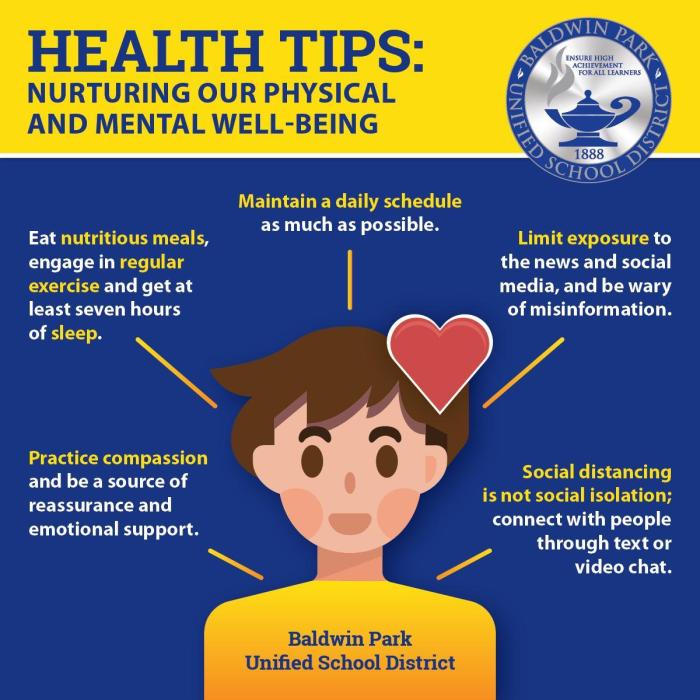
Maintaining a healthy mind is crucial for overall well-being. The connection between mental health and physical health is undeniable, as they both influence each other significantly. When our minds are in a good place, our bodies tend to follow suit, leading to a more balanced lifestyle.
Mindfulness Exercises for Promoting a Healthy Mind
- Practice deep breathing exercises to calm the mind and reduce stress levels.
- Engage in meditation sessions to improve focus and promote mental clarity.
- Try yoga to enhance mind-body connection and increase feelings of relaxation.
- Take regular nature walks to clear the mind and boost mood.
Prioritizing Mental Health for a Balanced Lifestyle
- Allocate time for self-care activities that bring you joy and relaxation.
- Seek professional help if you are struggling with mental health issues.
- Practice gratitude daily to shift your focus towards positivity and enhance mental well-being.
- Socialize and connect with loved ones to strengthen your support system and improve mental health.
Helpful Answers
How can I incorporate healthy snacks into my daily diet?
To include nutritious snacks in your routine, opt for options like fruits, nuts, or yogurt instead of processed snacks. These choices can boost your energy levels and support overall health.
What are the benefits of workplace wellness programs?
Participating in wellness initiatives at work can improve employee morale, productivity, and overall well-being. These programs often offer resources and support for healthier lifestyle choices.
How does health education empower individuals?
Health education plays a crucial role in disease prevention by providing knowledge and strategies for making informed choices. By promoting health literacy, individuals can take charge of their well-being.


More Stories
Nutritional counseling for womens health: Tailored Guidance for Wellness
Preventive medicine and integrative health approaches: A Holistic Approach to Wellness
Physical therapy for hip replacement recovery: Accelerating Healing and Enhancing Well-being