Motivation for Healthy Eating Habits
Maintaining healthy eating habits is crucial for overall well-being, and motivation plays a significant role in sustaining these habits over time. When individuals are motivated to eat healthily, they are more likely to make consistent and positive choices that benefit their health in the long run.
Importance of Motivation
Motivation for healthy eating habits – Having the right motivation can make a big difference in sticking to a healthy diet. Motivation provides the drive needed to make healthy choices, even when faced with temptations or obstacles. It helps individuals stay focused on their health goals and encourages them to make better food choices.
Impact on Long-Term Success
Motivation is key to long-term success in adopting a healthy diet. It helps individuals stay committed to their health goals, leading to lasting changes in eating habits. Without motivation, it can be challenging to overcome setbacks or maintain consistency in making healthy choices.
Strategies to Boost Motivation
- Set realistic and achievable goals: Break down larger goals into smaller, manageable steps to stay motivated.
- Find a support system: Surround yourself with people who encourage and support your healthy eating habits.
- Reward yourself: Celebrate your successes along the way to stay motivated and reinforce positive behavior.
- Stay informed: Educate yourself about the benefits of healthy eating to stay motivated and committed to your goals.
- Visualize your success: Imagine the positive impact of healthy eating on your overall well-being to boost motivation.
Healthy Snacks
When it comes to maintaining healthy eating habits, choosing nutritious snacks plays a crucial role in sustaining energy levels and providing essential nutrients throughout the day.
Nutritious Snack Options:
- Fresh fruits such as apples, bananas, berries, or oranges
- Veggies like baby carrots, cucumber slices, cherry tomatoes, or bell pepper strips
- Plain Greek yogurt topped with a handful of nuts or seeds
- Whole grain crackers with hummus or guacamole
- Homemade trail mix with mixed nuts, dried fruits, and dark chocolate chunks
Benefits of Healthy Snacks:
- Helps to curb unhealthy cravings and prevent overeating during main meals
- Provides a steady source of energy to keep you feeling satisfied and focused
- Aids in weight management by promoting portion control and balanced nutrition intake
- Boosts metabolism and supports overall health with nutrient-dense ingredients
Preparing and Storing Healthy Snacks:
Batch prepare snacks like veggie sticks or fruit salad for easy grab-and-go options. Store pre-portioned snacks in airtight containers in the fridge for quick access. Consider investing in reusable snack bags or containers to reduce waste and save money in the long run.
Wellness Programs
Wellness programs play a crucial role in supporting individuals in developing healthy eating habits by providing education, resources, and support tailored to their specific needs. These programs are designed to promote overall well-being and prevent chronic diseases through lifestyle changes, including nutrition.
Components of Effective Wellness Programs Focused on Nutrition
- Personalized Nutrition Plans: Wellness programs should offer personalized nutrition plans based on individuals’ health goals, dietary preferences, and any existing medical conditions.
- Educational Workshops: Conducting workshops on various nutrition topics like meal planning, reading food labels, and cooking healthy meals can empower participants to make informed choices.
- Access to Nutritional Experts: Having access to registered dietitians or nutritionists can provide participants with professional guidance and support in navigating their dietary needs.
- Behavioral Support: Wellness programs should include behavioral support strategies to help individuals overcome barriers and develop sustainable healthy eating habits.
Success Stories of Individuals Benefiting from Wellness Programs
“After participating in a wellness program focused on nutrition, I learned how to balance my meals and incorporate more fruits and vegetables into my diet. As a result, I have more energy, improved digestion, and better overall health.” – Sarah
“The wellness program helped me understand the importance of portion control and mindful eating. I have lost weight, reduced my cravings for unhealthy snacks, and feel more confident about my food choices.” – John
Physical Therapy
Physical therapy plays a crucial role in improving overall health and well-being by focusing on restoring and maintaining physical function. It involves a variety of exercises and techniques aimed at enhancing mobility, reducing pain, and preventing injury.
Benefits of Physical Therapy
- Improves flexibility, strength, and endurance
- Enhances balance and coordination
- Reduces the risk of falls and injuries
- Aids in the management of chronic conditions such as arthritis or diabetes
Complementing Healthy Eating Habits
Physical therapy can complement healthy eating habits by promoting an active lifestyle and supporting weight management. By incorporating regular exercise routines recommended by physical therapists, individuals can improve their overall health and well-being. These exercises may include:
- Cardiovascular exercises like walking, swimming, or cycling
- Strength training exercises using resistance bands or weights
- Flexibility exercises such as stretching or yoga
- Balance exercises to prevent falls and enhance stability
Promoting a Healthy Lifestyle
Physical therapists often recommend specific exercises tailored to an individual’s needs and goals to promote a healthy lifestyle. By combining these exercises with a balanced diet and proper nutrition, individuals can achieve optimal health and well-being, leading to a higher quality of life.
Health Coaching
Health coaches play a crucial role in helping individuals adopt and maintain healthy eating habits by providing personalized guidance, support, and accountability throughout the wellness journey.
Benefits of Working with a Health Coach
Working with a health coach can bring several benefits, including:
- Personalized Nutrition Guidance: Health coaches tailor nutrition plans to meet individual needs and goals, promoting sustainable lifestyle changes.
- Accountability and Motivation: Health coaches offer support and motivation to stay on track with healthy eating habits, making it easier to overcome challenges and setbacks.
- Behavioral Change Support: Health coaches help individuals identify and address unhealthy behaviors, fostering long-term habits that contribute to overall well-being.
- Education and Empowerment: Health coaches provide valuable knowledge and resources to empower individuals to make informed choices about their health and nutrition.
Tips for Finding a Qualified Health Coach
Finding the right health coach to support your wellness journey is essential. Consider the following tips:
- Credentials and Experience: Look for a health coach with relevant credentials, certifications, and experience in nutrition and wellness coaching.
- Personal Connection: Choose a health coach with whom you feel comfortable and can establish a trusting relationship for effective communication and collaboration.
- Approach and Philosophy: Ensure the health coach’s approach aligns with your goals and values, focusing on sustainable lifestyle changes rather than quick fixes.
- Client Success Stories: Review testimonials and success stories from previous clients to gauge the health coach’s track record and effectiveness in supporting others.
Medical Advancements
Medical advancements have played a crucial role in shaping our approach to healthy eating habits. With the continuous development of innovative medical technologies, individuals now have access to better tools and resources to make informed decisions about their nutrition choices.
Innovations in Medical Technology Supporting Healthy Nutrition
- One significant advancement is the use of wearable devices and mobile apps that help individuals track their daily food intake and monitor nutritional content. These tools provide real-time feedback and personalized recommendations to support healthy eating habits.
- Medical imaging techniques, such as MRI and CT scans, have also improved our understanding of how different foods interact with our bodies. This insight allows healthcare professionals to provide tailored dietary advice based on an individual’s unique needs.
Examples of Medical Breakthroughs Improving Nutritional Guidance
-
Genetic testing
has revolutionized nutritional guidance by identifying specific genetic markers that influence how our bodies respond to certain foods. This personalized approach helps individuals make more targeted dietary choices to optimize their health.
-
Gut microbiome research
has uncovered the impact of our gut health on overall well-being and the importance of maintaining a balanced microbiome through diet. This knowledge has led to the development of specialized diets and probiotic supplements to support gut health.
Fitness Goals
Setting fitness goals can be a powerful motivator for individuals to make healthier food choices. When someone has a specific fitness goal in mind, such as running a marathon or improving their strength, they are more likely to pay attention to what they eat to fuel their bodies properly.
Physical activity and healthy eating habits go hand in hand. Regular exercise can increase metabolism, improve digestion, and boost overall well-being. When combined with a balanced nutrition plan, physical activity can enhance the benefits of healthy eating and vice versa.
Aligning Fitness Goals with Nutrition Plan
- Consult a nutritionist or dietitian to create a personalized meal plan that supports your fitness goals.
- Focus on consuming a variety of nutrient-dense foods, including fruits, vegetables, lean proteins, and whole grains.
- Aim to eat smaller, more frequent meals throughout the day to maintain energy levels and support muscle recovery.
- Avoid processed foods, sugary drinks, and excessive amounts of unhealthy fats to optimize performance and overall health.
Balanced Nutrition
Ensuring balanced nutrition is crucial for maintaining overall health and well-being. A balanced diet provides the necessary nutrients that our bodies need to function properly, support immune function, and prevent chronic diseases.
Key Components of a Balanced Diet
A balanced diet consists of a variety of nutrients that are essential for good health. Key components include:
- Proteins: Found in meat, poultry, fish, dairy, legumes, and nuts, proteins are essential for building and repairing tissues.
- Carbohydrates: Main sources of energy, carbohydrates can be obtained from whole grains, fruits, and vegetables.
- Fats: Healthy fats from sources like avocados, nuts, and olive oil are important for brain function and hormone production.
- Vitamins and Minerals: Found in fruits, vegetables, whole grains, and dairy, these nutrients support various bodily functions.
- Fiber: Essential for digestive health, fiber is found in whole grains, fruits, vegetables, and legumes.
Meal Planning Tips for a Balanced Diet
Meal planning plays a significant role in ensuring a well-rounded and nutritious diet. Here are some tips to help you achieve a balanced diet:
- Include a variety of foods from all food groups in your meals to ensure you get a wide range of nutrients.
- Aim for colorful plates by incorporating different fruits and vegetables to benefit from various vitamins and minerals.
- Choose whole grains over refined grains for added fiber and nutrients.
- Limit processed foods and opt for fresh, whole foods whenever possible.
- Stay hydrated by drinking an adequate amount of water throughout the day.
Mental Strength
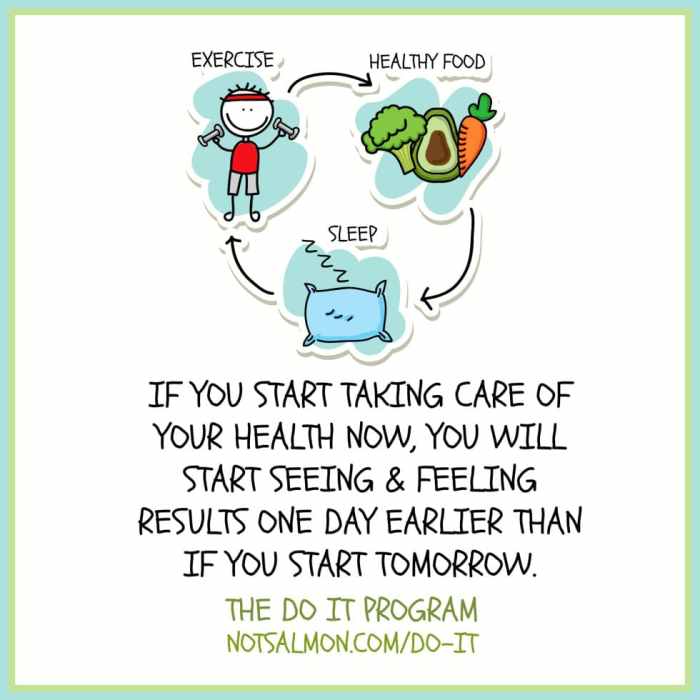
Maintaining healthy eating habits requires more than just physical discipline; mental strength and resilience play a crucial role in sticking to a nutritious diet. When faced with temptations, stress, or emotional triggers, it’s essential to have the mental fortitude to make mindful choices that align with your wellness goals.
Strategies for Overcoming Mental Barriers
- Identify Triggers: Recognize the situations or emotions that lead to unhealthy eating habits. By pinpointing these triggers, you can develop strategies to avoid or cope with them effectively.
- Practice Self-Compassion: Be kind to yourself during setbacks or slip-ups. Instead of berating yourself, acknowledge the mistake, learn from it, and move forward with a positive mindset.
- Set Realistic Goals: Break down larger goals into smaller, achievable steps. Celebrate each milestone along the way to boost your confidence and motivation.
- Seek Support: Surround yourself with a supportive network of friends, family, or a health coach who can provide encouragement and accountability on your journey towards better eating habits.
Mindfulness Techniques for Improved Food Choices
- Practice Mindful Eating: Slow down and savor each bite, paying attention to flavors, textures, and sensations. This can help prevent overeating and promote a healthier relationship with food.
- Stay Present: Avoid distractions like screens or multitasking while eating. Focus on the meal in front of you to enhance awareness of portion sizes and hunger/fullness cues.
- Breathe and Reflect: Before reaching for a snack or meal, take a moment to breathe deeply and check in with your emotions. Are you truly hungry, or is there another underlying need you’re trying to fulfill?
- Cultivate Gratitude: Acknowledge the effort and care that went into preparing your food. Express gratitude for nourishing your body and fueling your well-being with each meal.
Yoga Practice: Motivation For Healthy Eating Habits
Yoga practice goes beyond physical exercise; it encompasses mindfulness, stress management, and emotional well-being. When it comes to food choices, yoga can promote a deeper awareness of our bodies and the impact of our food choices on our overall well-being.
Benefits of Yoga for Stress Management and Emotional Well-being
- Yoga helps to reduce stress levels by calming the mind and body through breathing techniques and mindful movements.
- Regular yoga practice can improve emotional well-being by promoting relaxation and reducing anxiety and depression symptoms.
- By managing stress and emotions effectively, individuals are less likely to turn to unhealthy eating habits as a coping mechanism.
Specific Yoga Poses for Digestive Health and Overall Wellness
- The Cat-Cow Pose: This gentle flow between arching and rounding the back stimulates the digestive organs and can help relieve indigestion.
- Seated Spinal Twist: Twisting poses like this one help to massage the internal organs, improving digestion and detoxification.
- Downward-Facing Dog: This pose helps to increase blood flow to the digestive organs and can relieve bloating and gas.
- Child’s Pose: A calming and grounding pose that can help reduce stress and anxiety, which in turn can positively impact digestion.
Health Education
Health education plays a crucial role in empowering individuals to make informed decisions about their diet. By providing knowledge and resources, individuals are better equipped to understand the impact of their food choices on their overall health and well-being.
Importance of Continuous Learning
Continuous learning and staying informed about nutrition are essential for maintaining healthy eating habits. It allows individuals to adapt to new information, trends, and research findings in the field of nutrition, enabling them to make more informed choices.
- Attending nutrition workshops, seminars, and webinars can provide valuable insights into the latest nutrition guidelines and recommendations.
- Subscribing to reputable health and nutrition websites, blogs, and newsletters can help individuals stay updated on current trends and research in the field.
- Consulting with registered dietitians or nutritionists for personalized guidance and recommendations based on individual health needs and goals.
Accessing Reliable Health Education Materials
It is important to have access to reliable health education materials related to healthy eating habits to ensure that the information being received is accurate and evidence-based.
- Utilizing resources from reputable health organizations such as the American Heart Association, Academy of Nutrition and Dietetics, and World Health Organization can provide reliable information on nutrition and healthy eating.
- Reading books written by qualified nutrition experts and researchers can offer in-depth knowledge on various aspects of nutrition and dietary choices.
- Following credible social media accounts and platforms dedicated to health and wellness can provide daily tips, recipes, and advice on maintaining a healthy diet.
Weight Management
Maintaining a healthy weight is closely tied to adopting healthy eating habits. When you fuel your body with nutritious foods and maintain a balanced diet, you are more likely to reach and sustain an optimal weight for your body.
Relationship between Healthy Eating Habits and Weight Management
Eating a diet rich in fruits, vegetables, whole grains, lean proteins, and healthy fats can help you manage your weight effectively. These foods provide essential nutrients while keeping you full and satisfied, reducing the likelihood of overeating or consuming empty calories.
- Focus on portion control: Pay attention to serving sizes and avoid mindless eating to prevent consuming excess calories.
- Stay hydrated: Drinking an adequate amount of water can help curb cravings and prevent confusion between thirst and hunger.
- Incorporate physical activity: Pairing a healthy diet with regular exercise can enhance weight management efforts and improve overall health.
Sustainable Approaches to Achieving and Maintaining a Healthy Weight
It’s important to approach weight management as a long-term goal rather than a quick fix. Crash diets and extreme measures are often unsustainable and can lead to weight fluctuations.
- Set realistic goals: Aim for gradual weight loss or maintenance to ensure sustainable results.
- Eat mindfully: Pay attention to hunger cues, practice mindful eating, and savor your meals to prevent overeating.
- Seek support: Surround yourself with a supportive environment that encourages healthy choices and provides accountability.
Tips for Creating a Supportive Environment for Successful Weight Management
Creating a supportive environment can significantly impact your weight management journey, making it easier to maintain healthy habits and achieve your goals.
- Stock up on nutritious foods: Fill your pantry and fridge with healthy options to make it easier to choose nutritious meals and snacks.
- Meal prep: Prepare meals in advance to avoid last-minute unhealthy choices and ensure you have balanced options readily available.
- Stay active together: Engage in physical activities with friends or family members to stay motivated and make exercise enjoyable.
Health Checkups
Regular health checkups play a crucial role in monitoring the impact of healthy eating habits on our overall well-being. These routine screenings provide valuable insights into our health status and help detect any potential issues early on.
Significance of Health Screenings
Health screenings can reveal important information about our nutritional status, highlighting any deficiencies or imbalances that may be affecting our health. By conducting these tests regularly, individuals can stay informed about their body’s needs and make necessary adjustments to their diet and lifestyle.
- Regular blood tests can assess essential nutrients like iron, vitamin D, and B vitamins, indicating if our diet is providing adequate levels of these nutrients.
- Bone density scans can identify any signs of osteoporosis or bone weakening, which can be influenced by diet and exercise habits.
- Cholesterol and blood pressure checks can help monitor cardiovascular health, reflecting the impact of dietary choices on heart function.
Frequency of Health Checkups
It is recommended to undergo specific health checkups at different intervals to ensure optimal wellness and early detection of any health concerns.
Regular dental checkups every 6 months can help prevent oral health issues and detect early signs of gum disease or cavities.
- An annual physical exam with your primary care physician can provide a comprehensive overview of your health status and address any concerns.
- Regular eye exams every 1-2 years can detect changes in vision and eye health, influenced by factors like diet and lifestyle.
- Screenings for cancer, such as mammograms or colonoscopies, should be done as per recommended guidelines based on age and risk factors.
Skin Health
Skin health is an essential aspect of overall well-being, and it is closely linked to our eating habits. The food we consume plays a significant role in the health and appearance of our skin. By incorporating nutrient-rich foods into our diet, we can enhance our skin’s radiance and maintain its health.
Nutrients for Skin Health, Motivation for healthy eating habits
- Vitamin C: This powerful antioxidant helps in collagen production, which is essential for skin elasticity and firmness.
- Omega-3 fatty acids: Found in fatty fish like salmon, these healthy fats help in maintaining skin hydration and reducing inflammation.
- Zinc: Supports the skin’s natural healing process and can help in managing acne and other skin conditions.
Skincare Tips
- Stay hydrated: Drinking an adequate amount of water is crucial for keeping your skin hydrated and healthy.
- Eat a variety of colorful fruits and vegetables: These foods are rich in antioxidants that protect the skin from damage caused by free radicals.
- Limit processed foods and sugar: Consuming too much sugar can lead to inflammation in the body, which can negatively affect the skin.
Emotional Health
Emotional health plays a crucial role in maintaining healthy eating habits and overall well-being. Our emotions can greatly influence the food choices we make and our eating behaviors. Stress, anxiety, boredom, and even happiness can all impact how we eat and what we choose to consume. It is important to understand this link between emotional well-being and our relationship with food in order to make positive changes and maintain a balanced diet.
Impact of Emotions on Food Choices
Emotions can lead to emotional eating, where individuals turn to food for comfort or as a coping mechanism. This can result in overeating, binge eating, or making unhealthy food choices. For example, stress may trigger cravings for high-sugar or high-fat foods, while feelings of sadness may lead to a lack of appetite. Understanding how emotions influence our food choices is essential for developing healthier eating habits.
- Stress eating: Stress can lead to cravings for unhealthy foods, which can contribute to weight gain and poor nutritional choices.
- Emotional triggers: Identifying emotional triggers that lead to overeating can help individuals develop healthier coping strategies.
- Mindful eating: Practicing mindfulness while eating can help individuals become more aware of their emotions and eating behaviors.
Strategies for Nurturing Emotional Health
Nurturing emotional health is essential for maintaining a positive relationship with food and promoting overall well-being. There are various strategies individuals can implement to support their emotional health and make better food choices.
- Practicing self-care: Engaging in activities that promote relaxation and reduce stress can help improve emotional well-being.
- Seeking support: Talking to a therapist, counselor, or support group can provide individuals with tools to manage emotions and develop healthier coping mechanisms.
- Healthy outlets: Finding alternative outlets for emotions, such as exercise, hobbies, or creative activities, can help prevent emotional eating.
- Mind-body practices: Activities like yoga, meditation, and deep breathing exercises can help individuals manage emotions and reduce stress levels.
Health Motivation
Finding the motivation to prioritize healthy eating can be a challenge for many individuals. However, there are various sources of motivation that can inspire and encourage people to make positive changes in their diet and lifestyle.
Intrinsic motivation comes from within oneself, driven by personal values, beliefs, and goals. It involves a deep-seated desire to be healthy and live a fulfilling life. On the other hand, extrinsic motivation arises from external factors such as rewards, recognition, or social influence. Both types of motivation play a crucial role in sustaining healthy habits in the long run.
Personal Anecdotes
- One individual found the motivation to prioritize healthy eating after witnessing the positive impact it had on a family member’s health. This personal connection served as a powerful source of inspiration.
- Another person successfully maintained a balanced diet by setting specific, achievable goals and tracking their progress. The sense of accomplishment and improved well-being kept them motivated to continue their healthy eating habits.
- A success story involves a group of friends who decided to support each other in their journey towards better health. By sharing recipes, meal plans, and workout routines, they created a strong support system that motivated each member to stay committed to their goals.
Physical Activities
Regular physical activity plays a crucial role in maintaining a healthy lifestyle, along with healthy eating habits. Exercise not only helps in burning calories but also has a significant impact on appetite, metabolism, and overall food choices. Let’s delve deeper into the relationship between physical activity and a balanced diet for optimal health.
Impact on Appetite, Metabolism, and Food Choices
Regular exercise can help regulate appetite by balancing hunger hormones in the body. It can also boost metabolism, leading to more efficient calorie burning throughout the day. Additionally, engaging in physical activities can influence food choices, making individuals more inclined towards nutrient-dense foods to fuel their workouts.
- Examples of Physical Activities
Engaging in a variety of physical activities can complement a balanced diet and enhance overall well-being. Some examples include:
- Cardiovascular exercises like running, swimming, or cycling to improve heart health and stamina.
- Strength training with weights or bodyweight exercises to build muscle mass and increase metabolism.
- Yoga or Pilates for flexibility, balance, and stress relief.
- High-intensity interval training (HIIT) for a quick and effective workout.
- Dance classes or sports activities for a fun way to stay active and burn calories.
Health Awareness
Raising awareness about the benefits of healthy eating habits is crucial in promoting overall well-being and preventing various health issues. By educating individuals about the positive impact of nutrition on their physical and mental health, we can inspire them to make better food choices and adopt healthier lifestyles.
Importance of Health Awareness Campaigns
Health awareness campaigns play a vital role in influencing behavior change towards healthier habits. These initiatives help individuals understand the importance of maintaining a balanced diet, engaging in regular physical activity, and taking care of their mental health. By highlighting the benefits of healthy choices, people are more likely to make positive changes in their daily routines.
Ways to Promote Health Awareness in the Community
- Organize workshops and seminars on nutrition, fitness, and mental well-being to educate the community members.
- Collaborate with local schools, workplaces, and community centers to implement health awareness programs.
- Distribute informational pamphlets, brochures, and posters highlighting the importance of healthy eating habits.
- Engage with social media platforms to share tips, recipes, and motivational messages to encourage healthy living.
- Partner with healthcare professionals and organizations to provide free health screenings and consultations to the community.
Preventive Medicine
Preventive medicine plays a crucial role in supporting healthy eating habits by focusing on proactive measures to maintain overall health and well-being. By emphasizing preventive strategies, individuals can reduce the risk of developing chronic diseases and improve their quality of life through nutrition and lifestyle choices.
Role of Nutrition in Preventing Chronic Diseases
Nutrition plays a significant role in preventing chronic diseases such as heart disease, diabetes, and obesity. A diet rich in fruits, vegetables, whole grains, lean proteins, and healthy fats can help reduce inflammation, lower cholesterol levels, and maintain a healthy weight. By making informed food choices and practicing portion control, individuals can decrease their risk of developing these conditions.
Promoting Longevity through Nutrition
Consuming a balanced diet that meets the body’s nutritional needs can promote longevity and overall health. Nutrient-dense foods provide essential vitamins, minerals, and antioxidants that support the immune system, cognitive function, and cellular repair processes. By prioritizing whole foods and minimizing processed foods high in sugar, sodium, and unhealthy fats, individuals can enhance their longevity and vitality.
Preventive Healthcare Tips for Nutrition and Lifestyle
1. Incorporate a variety of colorful fruits and vegetables into your daily meals to ensure a diverse range of nutrients.
2. Choose whole grains such as quinoa, brown rice, and oats over refined grains to increase fiber intake and support digestive health.
3. Limit intake of sugary beverages, snacks, and desserts to reduce the risk of obesity, diabetes, and dental issues.
4. Stay hydrated by drinking an adequate amount of water throughout the day to support metabolism and overall hydration.
5. Engage in regular physical activity such as walking, jogging, yoga, or strength training to promote cardiovascular health and maintain muscle mass.
6. Prioritize stress management techniques such as mindfulness, meditation, or deep breathing exercises to reduce cortisol levels and improve mental well-being.
Nutritional Counseling
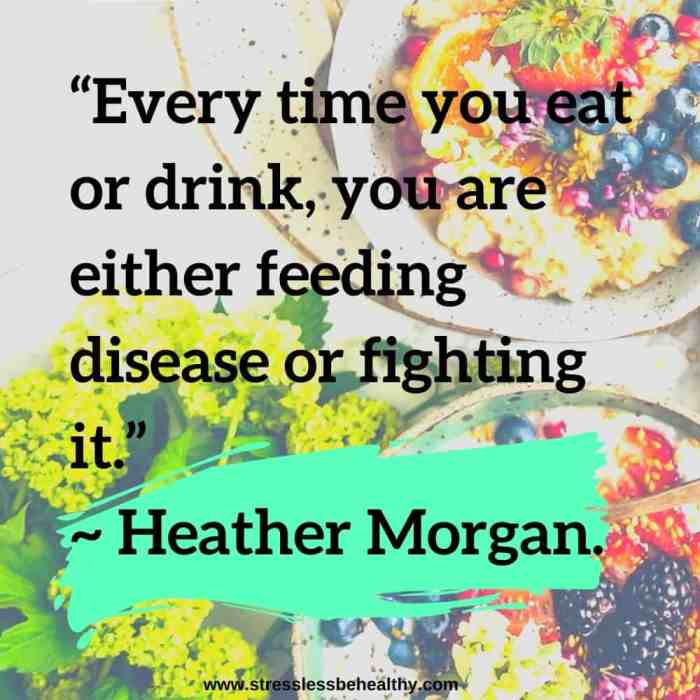
Nutritional counseling involves seeking personalized dietary guidance from a qualified professional to improve overall health and well-being. By working with a nutritionist or dietitian, individuals can receive expert advice tailored to their specific needs and goals.
Benefits of Nutritional Counseling
- Receive personalized dietary recommendations based on individual health concerns and preferences.
- Learn how to make healthier food choices to support weight management, improve energy levels, and enhance overall nutrition.
- Gain a better understanding of portion control, meal planning, and mindful eating practices.
- Address nutrient deficiencies and make necessary adjustments to optimize nutrient intake.
Role of a Nutritionist or Dietitian
- Assess the individual’s current dietary habits, nutritional status, and health goals.
- Create a customized nutrition plan that aligns with the individual’s lifestyle and preferences.
- Provide ongoing support, education, and motivation to help individuals stay on track with their dietary changes.
- Monitor progress and make adjustments as needed to ensure continued success in achieving health goals.
Tips for Finding a Qualified Nutritional Counselor
- Look for registered dietitians or nutritionists with credentials from reputable organizations.
- Ask for recommendations from healthcare providers, friends, or family members who have had positive experiences with nutritional counseling.
- Consider the nutritionist’s specialization areas and expertise to ensure they can address specific health concerns or dietary needs.
- Schedule a consultation to discuss your goals, preferences, and expectations to determine if the nutritionist is the right fit for you.
Healthy Mind
Maintaining a healthy mind is crucial when it comes to supporting healthy eating habits. Our mental well-being plays a significant role in the food choices we make and our overall nutritional intake. By focusing on our mental health, we can better align our eating habits with our wellness goals.
Mindfulness Practices for Healthy Eating
- Practicing mindful eating can help us become more aware of our food choices and eating habits. By paying attention to the sensations and emotions associated with eating, we can make more intentional and nourishing choices.
- Engaging in stress-reducing activities such as yoga or meditation can help improve our mental well-being, reducing the likelihood of emotional eating or unhealthy food cravings.
- Seeking support from a mental health professional or counselor can also be beneficial in addressing any underlying issues that may be impacting our relationship with food.
Answers to Common Questions
How can I boost my motivation for healthy eating habits?
Setting specific goals, finding a support system, and rewarding yourself for small achievements can help boost motivation.
Is it possible to maintain healthy eating habits in the long term?
Yes, by creating sustainable habits, being mindful of food choices, and seeking professional guidance when needed.
Why is motivation important for adopting a healthy diet?
Motivation provides the drive and determination needed to overcome challenges and stay consistent in making healthy food choices.


More Stories