Overview of Gene Therapy in Medical Advancements
Gene therapy is a cutting-edge medical technique that involves introducing genetic material into a patient’s cells to treat or prevent disease. This innovative approach holds great promise in modern medicine by targeting the root cause of genetic disorders rather than just managing symptoms. The impact of gene therapy on treating genetic disorders has been remarkable, offering hope to patients with conditions that were previously considered untreatable. The potential of gene therapy in revolutionizing healthcare is immense, with the possibility of providing personalized treatments and potentially curing diseases that have long plagued humanity.
Significance of Gene Therapy
Gene therapy plays a crucial role in addressing genetic disorders at their core, offering a more permanent solution compared to traditional treatments. By targeting faulty genes and replacing or repairing them, gene therapy has the potential to correct genetic abnormalities and restore normal cellular function. This approach not only alleviates symptoms but also addresses the underlying cause of the disease, paving the way for more effective and long-lasting treatments.
Impact on Treating Genetic Disorders
The impact of gene therapy on treating genetic disorders has been profound, particularly in cases where traditional treatments have been ineffective. Diseases such as cystic fibrosis, sickle cell anemia, and muscular dystrophy, which were once considered incurable, are now being targeted with gene therapy techniques. By correcting genetic mutations or introducing functional genes, gene therapy offers hope to patients and their families, providing a potential cure or significant improvement in their quality of life.
Revolutionizing Healthcare
Gene therapy has the potential to revolutionize healthcare by ushering in a new era of personalized medicine. With advancements in gene editing technologies such as CRISPR-Cas9, researchers can precisely target and modify genes, opening up possibilities for tailored treatments based on an individual’s genetic makeup. This personalized approach not only improves treatment outcomes but also reduces the risk of adverse reactions and side effects, marking a significant shift in how diseases are managed and cured in the future.
Types of Gene Therapy Techniques
Gene therapy techniques encompass a variety of approaches aimed at correcting genetic defects and treating diseases at their root cause. These techniques include gene augmentation, gene editing, and gene silencing, each with its unique method of altering genetic material to achieve therapeutic outcomes.
Gene Augmentation
Gene augmentation involves introducing functional copies of a defective gene into the patient’s cells to compensate for the faulty gene’s dysfunction. This technique is particularly useful in treating genetic disorders caused by a single gene mutation, such as cystic fibrosis or hemophilia. By delivering the correct gene to the affected cells, gene augmentation can restore normal gene function and alleviate the symptoms of the disease.
Gene Editing
Gene editing techniques, such as CRISPR-Cas9, enable precise modifications to the genetic code by adding, removing, or altering specific DNA sequences. This approach allows researchers to correct genetic mutations directly within the patient’s genome, offering a promising solution for a wide range of genetic diseases. Gene editing has shown great potential in treating conditions like sickle cell anemia and Duchenne muscular dystrophy by repairing the underlying genetic defects.
Gene Silencing
Gene silencing techniques aim to reduce or eliminate the expression of a faulty gene by targeting and inhibiting its activity. This can be achieved through RNA interference (RNAi) or antisense oligonucleotides, which interfere with the production of harmful proteins encoded by the defective gene. Gene silencing approaches have been successful in treating conditions like Huntington’s disease and amyotrophic lateral sclerosis (ALS) by suppressing the toxic effects of mutant genes.
Overall, these diverse gene therapy techniques offer promising avenues for treating genetic disorders and advancing personalized medicine. By harnessing the power of genetic manipulation, researchers continue to make significant strides in developing innovative treatments for a wide range of diseases.
Ethical Considerations in Gene Therapy: Medical Advancements In Gene Therapy
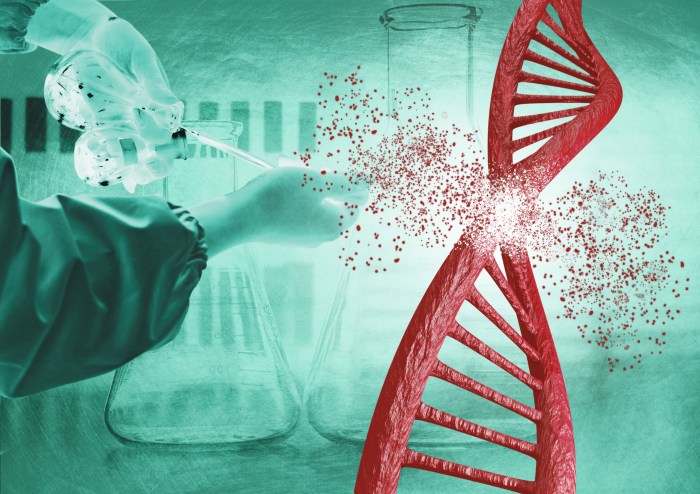
Medical advancements in gene therapy – Gene therapy, while offering promising advancements in medical treatment, raises several ethical dilemmas that need to be carefully considered. The implications of genetic modification on society are vast and require a thoughtful approach to ensure the well-being of individuals and communities. Ethical frameworks play a crucial role in guiding gene therapy research and implementation, balancing the potential benefits with the moral implications of altering the genetic makeup of individuals.
Implications of Genetic Modification
Genetic modification through gene therapy has the potential to cure genetic diseases, improve quality of life, and even enhance human capabilities. However, it also raises concerns about the unintended consequences of altering the human genome. The long-term effects of genetic modifications and their impact on future generations are areas of ethical consideration that must be thoroughly examined.
Ethical Frameworks in Gene Therapy
Various ethical frameworks guide the practice of gene therapy, including principles such as beneficence, non-maleficence, autonomy, and justice. These principles help researchers and clinicians navigate the complex ethical landscape of genetic manipulation, ensuring that decisions are made with the best interests of patients and society in mind. Additionally, considerations of informed consent, equity in access to treatment, and transparency in research practices are essential components of ethical gene therapy implementation.
Challenges and Limitations of Gene Therapy
Gene therapy, while holding immense promise in revolutionizing medical treatments, also faces several challenges and limitations that hinder its widespread adoption and effectiveness.
Delivery Hurdles
One of the primary challenges in gene therapy is delivering genetic material to target cells effectively. The delivery system must ensure that the therapeutic genes reach the intended cells without being degraded or triggering an immune response. Developing efficient delivery methods that can penetrate specific tissues and organs remains a significant hurdle in the field.
Immune Response
Another limitation of gene therapy is the risk of triggering immune responses in patients. The introduction of foreign genetic material into the body can lead to immune reactions that may neutralize the therapeutic effects or cause harmful side effects. Overcoming immune responses to gene therapy remains a critical challenge for researchers and clinicians.
Long-Term Efficacy
Ensuring the long-term efficacy of gene therapy treatments poses a significant obstacle in the field. Sustaining the therapeutic effects of gene therapy over time, especially in rapidly dividing cells, remains a challenge. Researchers are actively working to develop strategies to enhance the durability and stability of gene therapy interventions.
Regulatory Hurdles
The regulatory landscape surrounding gene therapy presents another challenge to its widespread adoption. Stringent regulations, ethical considerations, and safety concerns contribute to the slow pace of approval and commercialization of gene therapy treatments. Navigating regulatory pathways while ensuring patient safety and treatment efficacy is a complex process for developers and healthcare providers.
Future Prospects of Gene Therapy
As gene therapy continues to advance, the future holds promising possibilities for the field of medicine. Emerging technologies and innovations are paving the way for personalized gene therapy treatments that could revolutionize the way we treat genetic disorders.
Emerging Technologies and Innovations
Researchers are exploring cutting-edge technologies such as CRISPR-Cas9 gene editing, which allows for precise modifications to the genetic code. This technology has the potential to target and correct specific genetic mutations, offering hope for more effective gene therapy treatments.
Furthermore, advancements in viral vectors and delivery systems are improving the efficiency and safety of gene therapy procedures. These innovations are crucial in ensuring the successful delivery of therapeutic genes to target cells within the body.
Potential for Personalized Gene Therapy Treatments
One of the most exciting prospects in gene therapy is the ability to tailor treatments to individual patients based on their unique genetic makeup. By analyzing a patient’s genetic profile, healthcare providers can develop personalized gene therapy strategies that are more effective and have fewer side effects.
Integrating Gene Therapy with Wellness Programs
Gene therapy can be seamlessly integrated into wellness programs to enhance overall health and well-being. By incorporating gene therapy into these programs, individuals can benefit from personalized treatment approaches that target underlying genetic factors contributing to various health conditions. This integration not only addresses existing health issues but also focuses on preventive measures to maintain optimal health.
Promoting Holistic Health and Well-being
- Gene therapy plays a vital role in promoting holistic health by targeting specific genes responsible for diseases or disorders.
- It allows for personalized treatment plans that consider an individual’s genetic makeup, lifestyle, and environmental factors.
- By addressing genetic components of health conditions, gene therapy contributes to a comprehensive approach to wellness.
Synergy Between Gene Therapy and Wellness Initiatives
- Integrating gene therapy with wellness initiatives can create a synergistic effect, enhancing the overall effectiveness of treatment.
- Wellness programs focused on nutrition, exercise, and stress management can complement gene therapy interventions, leading to better health outcomes.
- The combination of gene therapy with holistic wellness practices can result in improved quality of life and long-term health benefits.
Impact of Gene Therapy on Preventive Medicine
Gene therapy has the potential to revolutionize preventive medicine by targeting genetic predispositions to diseases and implementing interventions to reduce the risk of developing these conditions. By understanding the role of gene therapy in preventing diseases, we can explore how genetic interventions can contribute to overall population health and wellness.
Early Disease Detection and Prevention
Gene therapy plays a crucial role in early disease detection and prevention by identifying genetic markers associated with specific conditions. Through genetic screening and personalized medicine approaches, individuals can be proactively informed about their genetic predispositions, allowing for targeted interventions to prevent the onset of diseases before symptoms manifest.
- Gene editing techniques, such as CRISPR-Cas9, can be used to correct faulty genes or introduce therapeutic genes to mitigate disease risk.
- Early detection of genetic mutations through gene therapy can enable healthcare providers to implement preventive measures and lifestyle modifications to reduce the likelihood of disease development.
- Genetic counseling services can help individuals understand their genetic risks and make informed decisions about their health and well-being.
Population Health and Disease Prevention Strategies
The implications of genetic interventions on population health are vast, as gene therapy can potentially reduce the burden of inherited diseases and improve overall health outcomes on a larger scale.
“Gene therapy has the potential to transform public health initiatives by targeting genetic factors that contribute to disease susceptibility and implementing preventive measures to enhance population well-being.”
- Population-wide genetic screening programs can identify at-risk individuals and facilitate targeted interventions to prevent disease transmission and progression.
- By integrating gene therapy with preventive medicine practices, healthcare systems can prioritize disease prevention and health promotion, leading to improved population health outcomes.
- Research efforts in gene therapy continue to explore innovative approaches to disease prevention, paving the way for a future where genetic interventions play a significant role in public health strategies.
Gene Therapy and Mental Health
Gene therapy has the potential to revolutionize the treatment of mental health disorders by targeting the underlying genetic factors contributing to these conditions. By addressing the root cause at a genetic level, gene therapy offers a promising approach to managing and potentially curing mental health conditions.
Gene Therapy for Depression and Anxiety, Medical advancements in gene therapy
- Recent research has shown that certain genes may play a role in predisposing individuals to depression and anxiety disorders.
- Gene therapy techniques could be used to modify these genes, potentially reducing the risk or severity of these mental health conditions.
- By targeting specific genetic markers associated with depression and anxiety, gene therapy may offer more personalized and effective treatment options.
Gene Therapy for Schizophrenia
- Studies have identified genetic variations linked to schizophrenia, indicating a potential genetic component to the development of this disorder.
- Gene therapy approaches could involve correcting or modifying these genetic mutations to alleviate symptoms or prevent the onset of schizophrenia.
- Integrating gene therapy with traditional treatments for schizophrenia could lead to more comprehensive and tailored care for individuals with this condition.
Genetic Factors and Mental Well-being
- Exploring the interplay between genetic factors and mental well-being is crucial in gene therapy research for mental health.
- Understanding how specific genes influence brain function and mental health conditions can inform targeted gene therapy interventions.
- By unraveling the genetic complexities of mental health disorders, researchers can develop more precise and effective gene therapy strategies for treatment.
Key Questions Answered
How effective is gene therapy in treating genetic disorders?
Gene therapy has shown promising results in treating various genetic disorders by correcting faulty genes or providing missing ones. However, challenges remain in ensuring long-term efficacy and safety.
What are the ethical concerns associated with gene therapy?
Ethical dilemmas in gene therapy revolve around issues such as consent, equity in access to treatment, and the potential for genetic enhancement. Striking a balance between scientific progress and ethical considerations is crucial in advancing gene therapy responsibly.
How does gene therapy contribute to preventive medicine?
Gene therapy plays a significant role in preventive medicine by enabling early disease detection, personalized interventions, and targeted treatments. By addressing genetic risk factors, gene therapy has the potential to revolutionize preventive healthcare practices.


More Stories