Introduction to 3D Printing in Medical Advancements
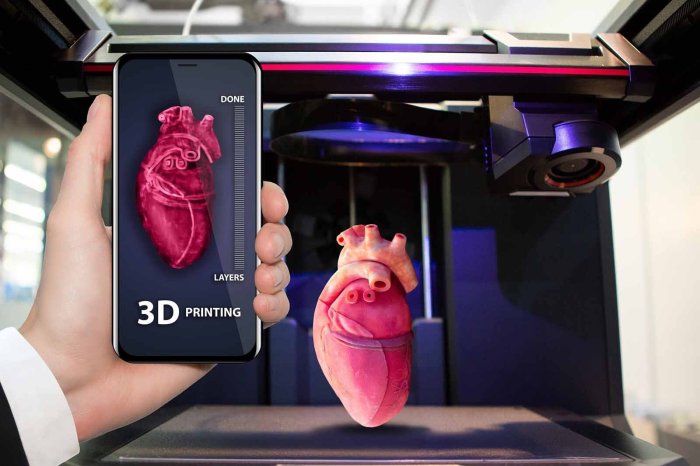
3D printing, also known as additive manufacturing, has made significant strides in the medical field by allowing the creation of complex structures layer by layer using digital models. This technology has opened up new possibilities for personalized healthcare solutions and innovative medical treatments.
The evolution of 3D printing technology in healthcare has been remarkable. Initially used for creating prototypes and models, it has now progressed to producing patient-specific implants, surgical guides, and even organs. The precision and customization offered by 3D printing have revolutionized the way medical professionals approach treatment plans and surgeries.
Examples of Revolutionized Medical Advancements with 3D Printing
- Custom Implants: 3D printing has enabled the production of patient-specific implants that fit perfectly, reducing the risk of complications and improving patient outcomes.
- Surgical Guides: Surgeons can now use 3D-printed surgical guides to plan and execute complex procedures with enhanced accuracy, leading to better results and shorter operation times.
- Organ Replicas: Researchers have successfully printed organ replicas for pre-surgical practice, allowing surgeons to simulate procedures and optimize their approach before the actual operation.
- Prosthetics: 3D printing has transformed the production of prosthetic limbs, making them more affordable, customizable, and comfortable for amputees.
Applications of 3D Printing in Medical Field
3D printing technology has revolutionized the medical field by offering innovative solutions for various applications. Let’s explore how 3D printing is transforming the healthcare industry.
Customized Implants
Customized implants are a crucial aspect of medical treatment, especially in orthopedic and dental surgeries. 3D printing allows for the creation of patient-specific implants tailored to the individual’s anatomy. This personalized approach leads to better outcomes, reduced recovery times, and improved patient satisfaction. The ability to design and manufacture implants based on medical imaging data ensures a perfect fit and optimal functionality, enhancing the overall success of the procedure.
Prosthetics Production
The production of prosthetic devices has been significantly enhanced by 3D printing technology. Traditional methods of prosthetics manufacturing can be time-consuming and costly. With 3D printing, prosthetics can be custom-made quickly and at a lower cost. This not only benefits patients who require prosthetic limbs but also allows for greater customization and comfort. Additionally, 3D printing enables the creation of lightweight and durable prosthetics that closely mimic the natural movement of real limbs, improving the quality of life for amputees.
Surgical Planning and Practice
3D printing plays a vital role in surgical planning and practice by providing surgeons with detailed anatomical models of a patient’s specific condition. These 3D printed models allow surgeons to visualize complex structures, practice procedures, and develop precise surgical plans before entering the operating room. This technology reduces the risk of errors during surgery, improves the efficiency of procedures, and ultimately enhances patient safety and outcomes. Surgeons can also use 3D printed guides and tools during surgery to ensure accuracy and precision in their interventions.
Benefits of 3D Printing in Healthcare: Impact Of 3D Printing In Medical Advancements
3D printing technology has revolutionized the healthcare industry, offering numerous advantages in various medical applications. One of the key benefits is the ability to create customized medical devices and implants tailored to individual patients, leading to improved treatment outcomes and patient care.
Comparing Traditional Manufacturing Methods with 3D Printing
- Traditional manufacturing methods often involve mass production of generic medical devices, which may not fit every patient perfectly. In contrast, 3D printing allows for the fabrication of personalized implants based on patient-specific data, resulting in better functionality and reduced risk of complications.
- With traditional methods, the production process can be time-consuming and costly, especially for complex geometries. 3D printing technology enables rapid prototyping and on-demand manufacturing, leading to faster delivery of customized medical solutions at a lower cost.
- Moreover, traditional manufacturing techniques may produce a significant amount of waste material during production. 3D printing is an additive manufacturing process that creates objects layer by layer, minimizing material wastage and promoting sustainability in healthcare practices.
Enhancing Patient Care and Treatment Outcomes with 3D Printing
- 3D printing empowers healthcare professionals to visualize complex anatomical structures and practice surgical procedures through patient-specific 3D models. This pre-operative planning enhances surgical precision, reduces operating time, and minimizes the risk of complications during procedures.
- By utilizing 3D printing technology, medical practitioners can create patient-specific surgical guides and tools, improving the accuracy and efficiency of surgical interventions. This tailored approach enhances the overall patient experience, leading to faster recovery times and better post-operative outcomes.
- Furthermore, 3D printing enables the production of prosthetics, orthotics, and other assistive devices that perfectly align with the patient’s anatomy and functional requirements. This customization not only enhances the comfort and mobility of patients but also contributes to their overall quality of life.
Challenges and Limitations of 3D Printing in Medicine
Impact of 3D printing in medical advancements – Implementing 3D printing technology in the medical field comes with its own set of challenges and limitations that need to be addressed for successful integration.
Obstacles in Implementing 3D Printing in Healthcare
- Lack of standardized regulations and guidelines for 3D printing medical devices.
- High initial costs associated with setting up and maintaining 3D printing facilities.
- Limited availability of skilled professionals with expertise in medical 3D printing.
- Concerns regarding the quality and safety of 3D printed medical devices.
Limitations of 3D Printing Technology in Medical Applications, Impact of 3D printing in medical advancements
- Current limitations in printing materials that meet medical-grade standards for implantable devices.
- Constraints in achieving high precision and accuracy required for intricate medical structures.
- Slow production speed compared to traditional manufacturing methods, affecting scalability.
- Size restrictions on the printing bed may limit the size of medical devices that can be produced.
Potential Risks Associated with Using 3D Printed Medical Devices
- Material degradation over time leading to device failure or potential harm to patients.
- Uncertainty in long-term effects of 3D printed implants on patient outcomes and health.
- Possibility of design flaws or errors in the printing process that could compromise device functionality.
- Concerns about the biocompatibility of 3D printed materials with human tissues and organs.
Future Trends and Innovations in 3D Printing for Medical Advancements
3D printing technology is expected to continue evolving rapidly in the medical field, leading to groundbreaking innovations and advancements. As the technology becomes more refined and accessible, the potential for 3D printing to revolutionize healthcare is immense.
Personalized Implants and Prosthetics
3D printing has already shown great promise in creating customized implants and prosthetics tailored to individual patients’ unique anatomies. In the future, this trend is expected to expand further, with more complex and functional implants being manufactured using advanced materials and techniques.
Bio-printing and Tissue Engineering
One of the most exciting developments in 3D printing for medical applications is bio-printing, where living tissues and organs are created layer by layer. This technology holds the potential to address the organ shortage crisis and revolutionize transplant procedures. As bio-printing techniques improve, we may see more complex organs being successfully printed for transplantation.
Drug Delivery Systems
3D printing is also being explored for the development of personalized drug delivery systems. By creating intricate structures that can release medications in a controlled manner, 3D printing could optimize drug treatments and improve patient outcomes. Future trends may involve the integration of sensors and smart materials into these drug delivery systems for real-time monitoring and adjustments.
Surgical Planning and Training
As 3D printing allows for the creation of detailed anatomical models from medical imaging data, it is increasingly used for surgical planning and training purposes. Surgeons can practice complex procedures on 3D-printed models to improve precision and reduce surgical risks. In the future, virtual reality integration and haptic feedback technologies may enhance the training experience further.
Regulatory Challenges and Standards
With the rapid growth of 3D printing in the medical field, there will be a need for establishing regulatory frameworks and quality standards to ensure the safety and efficacy of 3D-printed medical devices. Addressing regulatory challenges and setting industry standards will be crucial for the widespread adoption of 3D printing technologies in healthcare.
Impact of 3D Printing on Patient Care and Outcomes
3D printing technology has revolutionized patient care and outcomes in the healthcare industry. By leveraging the capabilities of 3D printing, healthcare providers can now offer personalized solutions that cater to the unique needs of each patient. This personalized approach has significantly improved patient experiences and treatment outcomes, leading to better overall quality of care.
Improved Patient Experiences
- 3D printing allows for the creation of custom-made medical devices and implants that fit perfectly with the patient’s anatomy, reducing the risk of complications and improving comfort.
- Patients undergoing complex surgeries can benefit from 3D printed models of their organs, which help surgeons plan and practice the procedure beforehand, resulting in shorter operation times and reduced risks.
- Prosthetic limbs and orthopedic implants can be tailored to the individual’s unique specifications, enhancing mobility and functionality for patients.
Role of Personalized Medicine
- Personalized medicine through 3D printing enables healthcare providers to deliver targeted treatments that are tailored to each patient’s genetic makeup and specific medical conditions.
- Customized medication dosages and drug delivery systems can be created using 3D printing, ensuring optimal therapeutic outcomes and minimizing side effects.
- Bioprinting technologies allow for the development of patient-specific tissues and organs for transplantation, reducing the risk of rejection and increasing the success rates of organ transplants.
Success Stories
- A cancer patient received a 3D printed titanium sternum and rib cage implant, which restored her chest wall and saved her life.
- An infant born with a rare respiratory condition was able to breathe independently thanks to a 3D printed tracheal splint that supported his airway and allowed it to grow naturally.
- Customized dental implants produced through 3D printing have helped patients regain their smiles and improve their oral health with precise fit and aesthetics.
Ethical and Legal Implications of 3D Printing in Healthcare
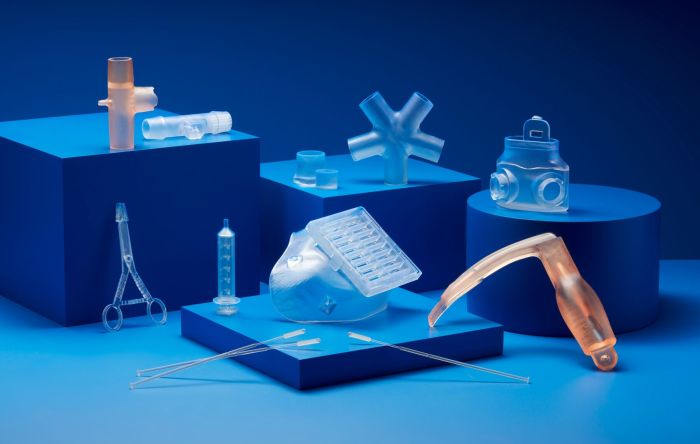
3D printing in healthcare brings about various ethical and legal considerations that must be carefully examined to ensure patient safety and regulatory compliance. Additionally, intellectual property rights play a crucial role in the advancement and adoption of 3D printing technology in the medical field.
Ethical Considerations
- Ensuring patient consent: Healthcare providers must obtain informed consent from patients before using 3D printing technology for medical purposes to respect patient autonomy and decision-making.
- Quality and safety concerns: Ethical dilemmas arise when the quality and safety of 3D printed medical devices are not well-regulated, potentially putting patients at risk of harm.
- Equitable access: There is a concern that the high costs associated with 3D printing technology may limit access for underserved populations, leading to disparities in healthcare delivery.
Regulatory Challenges and Standards
- Quality control and certification: Regulatory bodies face the challenge of establishing standardized protocols for the approval and certification of 3D printed medical devices to ensure their safety and efficacy.
- Data privacy and security: With the use of 3D printing technology in healthcare, there is a need to address data privacy and security issues to protect patient information from breaches or unauthorized access.
- Compliance with existing regulations: Healthcare facilities and manufacturers using 3D printing must adhere to existing regulatory frameworks and standards to maintain legal compliance and patient safety.
Intellectual Property Issues
- Patents and copyrights: Intellectual property rights related to 3D printed medical devices raise questions about patent infringement, licensing agreements, and ownership of design files and prototypes.
- Counterfeiting and piracy: The digital nature of 3D printing allows for easy replication of medical devices, leading to concerns about counterfeit products entering the market and compromising patient care.
- Data ownership and sharing: Issues around the ownership of patient data used in 3D printing processes and the sharing of design files between healthcare providers and manufacturers need to be addressed to protect proprietary information and patient privacy.
Essential Questionnaire
How has 3D printing revolutionized the medical field?
3D printing has revolutionized the medical field by enabling the creation of customized implants, prosthetics, and assisting in surgical planning, ultimately improving patient care.
What are the advantages of using 3D printing in healthcare?
Using 3D printing in healthcare offers benefits such as enhanced patient care, improved treatment outcomes, and the ability to create personalized medical solutions.
Are there any risks associated with using 3D printed medical devices?
While 3D printing offers numerous advantages, there are potential risks such as regulatory challenges, quality control issues, and intellectual property concerns that need to be addressed.


More Stories