Balanced Nutrition for Pregnant Women
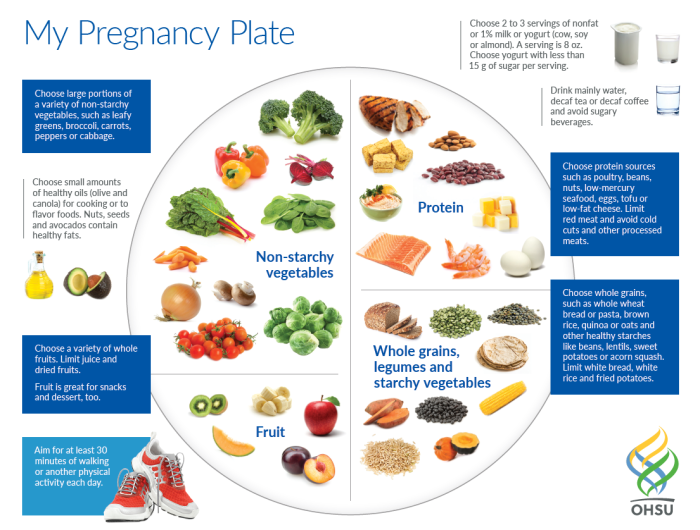
Balanced nutrition for pregnant women – During pregnancy, maintaining a balanced and nutritious diet is crucial for the health of both the mother and the developing baby. A well-rounded diet ensures that the mother receives essential nutrients to support the growth and development of the fetus, as well as to maintain her own health throughout the pregnancy.
Essential Nutrients for Pregnant Women
Pregnant women require a variety of nutrients to support the growth and development of the baby. Some essential nutrients include:
- Iron: Important for the production of red blood cells and preventing anemia.
- Folic Acid: Vital for neural tube development in the baby.
- Calcium: Necessary for the baby’s bone development.
- Protein: Essential for the growth of fetal tissues and muscles.
- Omega-3 fatty acids: Support brain and eye development in the baby.
Impact of a Balanced Diet
Consuming a balanced diet during pregnancy has numerous benefits for both the mother and the baby. A well-rounded diet can help prevent birth defects, support healthy weight gain, reduce the risk of gestational diabetes, and improve overall pregnancy outcomes. It also aids in the mother’s recovery post-delivery and can contribute to the baby’s long-term health.
Healthy Snacks
When it comes to maintaining a balanced diet during pregnancy, healthy snacks play a crucial role in providing essential nutrients and energy for both the mother and the growing baby. These snacks can help curb hunger between meals, prevent overeating, and satisfy cravings in a nutritious way.
Nutritious Snack Examples:
- Fresh fruits like apples, oranges, and berries
- Vegetable sticks with hummus or yogurt dip
- Whole grain crackers with cheese
- Nuts and seeds mix for a protein boost
- Greek yogurt with honey and granola
- Boiled eggs for a quick and protein-rich snack
Wellness Programs
Wellness programs tailored for pregnant women play a crucial role in ensuring their overall health and well-being during pregnancy. These programs are designed to provide expecting mothers with the necessary tools, resources, and support to maintain a healthy lifestyle and address any specific needs or concerns that may arise.
Role of Wellness Programs
Wellness programs for pregnant women focus on promoting physical fitness, mental health, and emotional well-being. They often include a combination of prenatal exercises, nutritional guidance, stress management techniques, and educational resources to help women navigate the various stages of pregnancy.
Success Stories
- One success story involves a pregnant woman who actively participated in a wellness program that emphasized the importance of regular exercise and proper nutrition. By following the program’s guidelines, she was able to maintain a healthy weight throughout her pregnancy and experienced fewer complications during childbirth.
- Another woman found great benefit from a wellness program that provided meditation and relaxation techniques to help manage stress and anxiety during pregnancy. She reported feeling more calm and centered, which ultimately contributed to a smoother pregnancy experience.
- A different success story comes from a pregnant woman who joined a wellness program that offered childbirth education classes and lactation support. This preparation helped her feel more confident and empowered as she approached labor and delivery, resulting in a positive birth experience.
Physical Therapy
Physical therapy can be highly beneficial for pregnant women as it helps in improving overall strength, flexibility, and posture. It can also help alleviate common discomforts associated with pregnancy such as back pain, pelvic pain, and swelling. Additionally, physical therapy can aid in preparing the body for labor and delivery.
Safe Exercises and Stretches During Pregnancy
- Walking: A simple and effective way to stay active during pregnancy.
- Swimming: Provides a full-body workout without putting pressure on the joints.
- Pelvic tilts: Helps strengthen the abdominal muscles and reduce back pain.
- Kegel exercises: Assist in strengthening pelvic floor muscles for better bladder control.
Alleviating Common Pregnancy Discomforts
- Low back pain: Physical therapy can help improve posture and strengthen core muscles to reduce strain on the back.
- Sciatica: Specific exercises and stretches can help relieve pressure on the sciatic nerve.
- Swelling: Techniques like elevation and gentle exercises can promote circulation and reduce swelling in the legs and feet.
Health Coaching
Health coaches play a crucial role in supporting pregnant women by providing guidance, motivation, and education to help them maintain a healthy lifestyle throughout their pregnancy.
Strategies Used by Health Coaches
- Creating personalized nutrition plans tailored to the specific needs of the pregnant woman.
- Encouraging regular exercise that is safe and beneficial during pregnancy.
- Providing emotional support and stress management techniques to promote overall well-being.
- Offering education on the importance of prenatal vitamins and supplements.
- Setting achievable goals and tracking progress to keep the pregnant woman motivated.
Long-term Impact of Health Coaching
Health coaching during pregnancy can have a significant long-term impact on both maternal and fetal health. By promoting healthy habits and behaviors, health coaches can help reduce the risk of complications during pregnancy and improve overall outcomes. This support can also lead to better postpartum recovery and establish a foundation for a healthy lifestyle for both the mother and child.
Medical Advancements
In recent years, medical advancements in the field of prenatal care have revolutionized the way pregnant women are monitored and treated. These developments have led to better outcomes for both mothers and babies.
Improved Prenatal Care
- Advancements in ultrasound technology have allowed healthcare providers to obtain detailed images of the fetus, enabling early detection of any abnormalities or complications.
- Non-invasive prenatal testing (NIPT) has provided a safer and more accurate way to screen for genetic disorders in the fetus.
- Telemedicine has made it easier for pregnant women to consult with their healthcare providers remotely, reducing the need for frequent in-person visits.
Enhanced Monitoring
- Wearable devices and mobile apps now allow pregnant women to track their health metrics, such as heart rate, blood pressure, and fetal movements, in real-time.
- Fetal monitoring systems have become more sophisticated, providing continuous data on the baby’s heart rate and activity levels during labor.
- Advancements in genetic testing have made it possible to screen for a wider range of genetic disorders, giving parents more information about their baby’s health.
Fitness Goals
Setting fitness goals can be extremely beneficial for pregnant women as it helps in maintaining overall health, managing weight gain, reducing discomfort, and preparing the body for childbirth. By establishing goals, pregnant women can stay motivated, track progress, and ensure they are engaging in safe and effective exercise routines.
Tips for Establishing Safe and Achievable Fitness Goals During Pregnancy
- Consult with a healthcare provider: Before setting fitness goals, it is important to consult with a healthcare provider to ensure that the chosen exercises are safe for both the mother and the baby.
- Start slow and gradually increase intensity: Begin with low-impact exercises and gradually increase intensity as fitness levels improve. Listen to your body and avoid overexertion.
- Set specific and measurable goals: Define clear fitness goals that are specific, measurable, achievable, relevant, and time-bound (SMART goals) to stay focused and motivated.
- Stay hydrated and well-nourished: Proper hydration and nutrition are essential for supporting energy levels and aiding in muscle recovery during workouts.
- Include a variety of exercises: Incorporate a mix of cardio, strength training, flexibility, and balance exercises to ensure a well-rounded fitness routine.
Importance of Adapting Fitness Routines as Pregnancy Progresses
- Listen to your body: Pay attention to how your body responds to exercise and modify routines as needed to accommodate changes in energy levels, comfort, and physical limitations.
- Avoid high-impact activities: As pregnancy progresses, it is important to avoid high-impact activities that could put excessive strain on the body and increase the risk of injury.
- Focus on pelvic floor exercises: Incorporate pelvic floor exercises to support the pelvic muscles, improve posture, and reduce the risk of urinary incontinence during and after pregnancy.
- Attend prenatal fitness classes: Consider joining prenatal fitness classes led by certified instructors who specialize in working with pregnant women to ensure safe and effective workouts.
Mental Strength
During pregnancy, mental strength plays a crucial role in ensuring the overall well-being of both the mother and the baby. It is important for pregnant women to cultivate resilience and cope with stress to maintain a healthy mindset throughout this transformative journey.
Building Resilience
Building resilience involves developing coping mechanisms to navigate challenges and setbacks that may arise during pregnancy. Some techniques to help pregnant women build mental strength include:
- Practicing mindfulness and relaxation techniques such as deep breathing exercises and meditation.
- Engaging in regular physical activity to release endorphins and reduce stress levels.
- Seeking support from loved ones, friends, or a therapist to talk about feelings and emotions.
- Setting realistic expectations and accepting that it’s okay to ask for help when needed.
Link between Mental Well-being and Pregnancy Health
Maintaining good mental well-being is closely linked to overall pregnancy health. High levels of stress and anxiety during pregnancy can have negative effects on both the mother and the baby. Research has shown that pregnant women with higher levels of stress are at a greater risk for complications such as preterm birth and low birth weight.
Yoga Practice
Practicing yoga during pregnancy can bring a multitude of benefits for expectant mothers. Not only does it help in maintaining physical health, but it also promotes mental well-being and relaxation, essential components for a healthy pregnancy.
Benefits of Prenatal Yoga
- Improves flexibility and strength
- Reduces stress and anxiety
- Enhances sleep quality
- Helps alleviate common pregnancy discomforts
Prenatal Yoga Poses for Relaxation and Strength
| Poses | Description |
|---|---|
| Child’s Pose | A calming pose that gently stretches the back and hips, promoting relaxation. |
| Cat-Cow Stretch | Helps in relieving back pain and improving spinal flexibility. |
| Warrior II Pose | Strengthens the legs and opens up the hips, promoting stability and focus. |
| Pelvic Tilts | Strengthens the core muscles and promotes optimal fetal positioning. |
Improving Flexibility and Mental Well-being
- Yoga can help pregnant women stay active and maintain flexibility, which is beneficial for labor and delivery.
- Regular practice of yoga can also enhance mental well-being by reducing stress and promoting relaxation.
- Breathing techniques taught in yoga classes can be beneficial during labor for pain management and focus.
Health Education
Health education plays a crucial role in empowering pregnant women by providing them with the knowledge and skills necessary to make informed decisions about their health and the health of their baby. It helps expectant mothers understand the changes happening in their bodies, recognize warning signs, and adopt healthy behaviors that can positively impact their pregnancy journey.
Topics Covered in Prenatal Health Education Programs
- The importance of balanced nutrition during pregnancy, including key nutrients needed for fetal development.
- Understanding prenatal screenings and tests to monitor the health of the mother and baby.
- Tips for managing common pregnancy discomforts and staying active safely.
- Mental health and emotional well-being support for coping with stress and anxiety during pregnancy.
- Preparing for labor and delivery, including childbirth education and pain management options.
Impact of Health Education on Informed Decision-Making
Health education equips pregnant women with the knowledge to make informed decisions about their prenatal care, birthing options, and postpartum recovery. By understanding the importance of regular check-ups, healthy lifestyle choices, and early intervention when needed, expectant mothers can take charge of their health and advocate for themselves and their baby. This leads to better outcomes for both mother and child and promotes a positive pregnancy experience overall.
Weight Management
Maintaining a healthy weight during pregnancy is crucial for the well-being of both the mother and the baby. It can help prevent complications and ensure a smooth pregnancy journey.
Importance of Healthy Weight Management
- Healthy weight management can reduce the risk of gestational diabetes and high blood pressure.
- It can also lower the chances of preterm birth and birth defects.
- Proper weight management supports the overall health of the mother and promotes optimal fetal development.
Strategies for Maintaining a Healthy Weight
- Focus on nutrient-dense foods such as fruits, vegetables, whole grains, and lean proteins.
- Stay active with safe exercises like walking, swimming, or prenatal yoga.
- Monitor weight gain with guidance from healthcare providers to ensure it stays within the recommended range.
Risks of Excessive Weight Gain or Loss
- Excessive weight gain can lead to complications like macrosomia (large baby) and cesarean delivery.
- On the other hand, inadequate weight gain may result in low birth weight and developmental issues for the baby.
- Both extremes can increase the risk of postpartum weight retention and long-term health issues for the mother and child.
Health Checkups
Regular health checkups are crucial for pregnant women to ensure the well-being of both the mother and the baby. These checkups help monitor the progress of the pregnancy, detect any potential issues early on, and provide necessary interventions to maintain a healthy pregnancy.
Frequency of Prenatal Visits and Important Tests, Balanced nutrition for pregnant women
During pregnancy, women typically have monthly prenatal visits in the first two trimesters, which may increase to bi-weekly or weekly visits in the third trimester. These visits involve various important tests such as:
- Blood pressure monitoring
- Urine tests for protein and sugar levels
- Ultrasounds to check the baby’s growth and development
- Blood tests to check for anemia, gestational diabetes, and other conditions
These tests and visits help healthcare providers track the progress of the pregnancy, ensure the health of the mother and the baby, and address any concerns promptly.
Role of Healthcare Providers
Healthcare providers play a crucial role in monitoring the health of pregnant women and their babies throughout the pregnancy journey. They provide necessary guidance, support, and medical care to ensure a safe and healthy pregnancy. Healthcare providers also offer valuable information on nutrition, exercise, and overall well-being to promote a positive pregnancy experience.
Skin Health
During pregnancy, it is common for women to experience changes in their skin due to hormonal fluctuations. These changes can include dryness, acne breakouts, hyperpigmentation (also known as the “mask of pregnancy”), and stretch marks. It is important for pregnant women to take care of their skin to maintain its health and appearance throughout this period.
Skincare Tips for Pregnant Women
- Avoid using skincare products containing retinoids, salicylic acid, or benzoyl peroxide, as these ingredients may not be safe for use during pregnancy.
- Opt for gentle, fragrance-free cleansers and moisturizers to prevent irritation and maintain skin hydration.
- Use sunscreen with at least SPF 30 to protect your skin from sun damage and prevent the worsening of pigmentation changes.
- Stay hydrated by drinking plenty of water and eating a balanced diet rich in fruits and vegetables to promote skin health from within.
It is always best to consult with your healthcare provider or a dermatologist before using any new skincare products during pregnancy.
Hormonal Changes and Skin Health
- Hormonal changes during pregnancy can lead to an increase in oil production, which may contribute to acne breakouts.
- Some women may experience dry, itchy skin due to hormonal fluctuations, requiring extra moisture and hydration.
- The increased levels of estrogen and progesterone can also lead to changes in skin pigmentation, such as darkening of the skin on the face or abdomen.
Emotional Health: Balanced Nutrition For Pregnant Women
Pregnancy can be a rollercoaster of emotions, from joy and excitement to anxiety and stress. Taking care of your emotional well-being during this time is crucial for both you and your baby’s health. Here are some strategies to help you manage mood swings and emotional changes:
Strategies for Managing Emotional Changes
- Acknowledge your feelings: It’s normal to experience a range of emotions during pregnancy. Allow yourself to feel and express your emotions without judgment.
- Practice self-care: Take time for yourself to relax and unwind. Whether it’s reading a book, taking a warm bath, or going for a walk, find activities that help you de-stress.
- Stay connected: Reach out to your support system, whether it’s your partner, family, or friends. Talking about your feelings can help you feel heard and understood.
- Seek professional help: If you’re struggling to cope with your emotions, don’t hesitate to seek help from a therapist or counselor who specializes in prenatal mental health.
Support Systems for Emotional Health
- Antenatal classes: Joining antenatal classes can provide you with information and support from other pregnant women who are going through similar experiences.
- Online communities: Connect with other moms-to-be through online forums and support groups. Sharing your journey with others can help you feel less alone.
- Counseling services: Many healthcare providers offer counseling services for pregnant women to address emotional concerns and provide coping strategies.
- Mindfulness and relaxation techniques: Practice mindfulness, deep breathing, and relaxation exercises to help you stay grounded and calm during moments of emotional distress.
Health Motivation
Maintaining a healthy lifestyle during pregnancy can be challenging, but finding motivation is key to staying committed to your health goals. Here are some tips and personal stories to help you stay motivated throughout your pregnancy journey.
Setting Realistic Goals
- Start by setting achievable health goals that are specific and measurable.
- Break down your goals into smaller steps to track your progress and celebrate small victories along the way.
- Adjust your goals as needed to stay motivated and prevent feelings of overwhelm.
Creating a Support System
- Surround yourself with a supportive network of family, friends, or other pregnant women who can encourage and motivate you.
- Join online forums or support groups to connect with others going through similar experiences and share tips and advice.
- Seek guidance from a healthcare provider or a health coach to help you stay on track and accountable.
Focusing on the Benefits
- Remind yourself of the positive impact of a healthy lifestyle on your own well-being and the health of your baby.
- Visualize the long-term benefits of staying active, eating nutritious foods, and practicing self-care throughout your pregnancy.
- Celebrate every healthy choice you make and acknowledge the progress you’ve made towards a healthier you.
Physical Activities
Regular physical activity during pregnancy is essential for maintaining overall health and well-being. Engaging in safe exercises can help reduce discomfort, improve sleep quality, boost mood, and prepare the body for childbirth. It can also help prevent gestational diabetes and excessive weight gain.
Benefits of Staying Active
- Improves circulation and reduces swelling
- Strengthens muscles, which can help support the added weight of pregnancy
- Reduces back pain and improves posture
- Boosts energy levels and promotes better sleep
Safe Exercises and Activities
- Walking: A low-impact exercise that can be done at a moderate pace
- Swimming: Provides a full-body workout without putting pressure on the joints
- Prenatal yoga: Helps improve flexibility, strength, and relaxation
- Strength training: Focus on bodyweight exercises or use light weights under supervision
Improving Overall Well-being
Regular physical activity during pregnancy can have a positive impact on mental health as well. It can help reduce stress, anxiety, and depression, while promoting a sense of well-being and confidence. Staying active also improves self-esteem and body image, which are crucial during this transformative time.
Health Awareness
Raising awareness about maternal health issues is crucial for the well-being of pregnant women and their babies. It helps in educating women about the importance of proper nutrition, regular check-ups, and seeking medical help when needed. By increasing health awareness, we can reduce the risks associated with pregnancy and childbirth.
Initiatives to Increase Health Awareness
- Health education programs: These programs provide essential information on prenatal care, childbirth, and postpartum health to pregnant women.
- Community outreach campaigns: These initiatives aim to reach women in remote areas and underserved communities to ensure they have access to necessary healthcare services.
- Online resources and apps: Technology plays a vital role in spreading health awareness through informative websites, apps, and social media platforms.
- Collaboration with healthcare providers: Partnering with doctors, nurses, and midwives can help in delivering accurate and timely information to pregnant women.
Impact of Health Awareness Campaigns
- Early detection of health issues: Awareness campaigns encourage women to seek regular check-ups, leading to the early detection and management of any potential health problems.
- Improved maternal and child health outcomes: By educating women about healthy practices during pregnancy, we can reduce the risk of complications and improve the overall well-being of both mother and child.
- Empowerment of women: Health awareness empowers women to make informed decisions about their health, leading to better pregnancy experiences and outcomes.
Preventive Medicine
Preventive medicine plays a crucial role in prenatal care by focusing on proactive measures to maintain the health and well-being of both the mother and the developing baby. By identifying risk factors early on and implementing preventive strategies, potential complications during pregnancy can be minimized or even avoided altogether.
Preventive Measures in Prenatal Care
- Regular prenatal check-ups: Ensuring regular visits to healthcare providers for monitoring and early detection of any issues.
- Healthy diet and lifestyle: Promoting balanced nutrition, regular exercise, and adequate rest to support a healthy pregnancy.
- Screening tests: Conducting screenings for conditions such as gestational diabetes, preeclampsia, and genetic abnormalities to address them promptly.
- Immunizations: Administering vaccines to protect against infections that could harm the mother or the baby.
Importance of Early Detection and Prevention
Early detection and prevention are key in maternal health as they can significantly reduce the risk of complications and improve outcomes for both the mother and the baby.
- Timely intervention: Identifying and addressing health issues early can prevent them from escalating into more serious problems.
- Enhanced prenatal care: By focusing on preventive measures, healthcare providers can offer comprehensive care that prioritizes the well-being of the mother and the baby.
- Empowerment through knowledge: Educating expectant mothers about preventive measures empowers them to make informed choices for a healthier pregnancy.
Nutritional Counseling
Nutritional counseling for pregnant women plays a crucial role in ensuring the health and well-being of both the mother and the baby. It provides personalized guidance on making healthy food choices, managing weight gain, and meeting nutritional requirements during pregnancy.
Benefits of Nutritional Counseling for Pregnant Women:
- Nutritional counselors help pregnant women optimize their diets by providing tailored meal plans based on individual needs and preferences.
- They educate women on the importance of consuming essential nutrients such as folic acid, iron, calcium, and omega-3 fatty acids for the healthy development of the baby.
- Supporting optimal weight gain and reducing the risk of gestational diabetes, hypertension, and other pregnancy-related complications are key goals of nutritional counseling.
- By promoting a balanced diet rich in fruits, vegetables, whole grains, lean protein, and healthy fats, nutritional counselors enhance maternal health and fetal growth.
Impact of Personalized Nutrition Plans on Maternal and Fetal Health:
- Personalized nutrition plans tailored to the specific needs of pregnant women can improve overall health outcomes and reduce the risk of nutrient deficiencies.
- Optimizing nutrient intake through personalized meal plans can support healthy fetal development, reduce the risk of birth defects, and enhance the baby’s long-term health.
- Proper nutrition during pregnancy can also contribute to a smoother labor and delivery process, as well as faster postpartum recovery for the mother.
- By addressing individual dietary needs and preferences, nutritional counseling helps pregnant women maintain a healthy weight, manage pregnancy symptoms, and feel empowered in making informed food choices.
Healthy Mind
Maintaining a healthy mind is crucial during pregnancy as it directly impacts both mental health and physical well-being. A positive mindset can lead to better pregnancy outcomes and overall health for both the mother and the baby.
Tips for Mental Wellness
- Practice mindfulness techniques such as deep breathing, meditation, and yoga to reduce stress and anxiety levels.
- Engage in self-care activities that promote relaxation and rejuvenation, like taking warm baths, reading a book, or going for a leisurely walk.
- Connect with loved ones for emotional support and open communication to share your feelings and concerns.
- Set boundaries to prioritize your mental well-being and avoid unnecessary stressors or triggers.
Benefits of a Positive Mindset
A positive mindset can lead to reduced risk of complications during pregnancy, improved emotional health, and better overall quality of life.
- Enhances resilience and coping mechanisms to deal with the physical and emotional changes that come with pregnancy.
- Promotes a healthy bond between the mother and the baby, fostering a nurturing and supportive environment.
- Boosts confidence and self-esteem, leading to a more positive outlook on pregnancy and motherhood.
Question Bank
What are the essential nutrients for pregnant women?
Essential nutrients include folic acid, iron, calcium, and omega-3 fatty acids to support the mother and baby’s development.
How can balanced nutrition impact the health of the mother and baby?
A balanced diet can reduce the risk of complications, support proper growth and development, and enhance overall well-being during pregnancy.
What are some safe exercises recommended during pregnancy?
Examples of safe exercises include walking, swimming, prenatal yoga, and low-impact aerobics to stay active and healthy.
How can health coaching benefit pregnant women?
Health coaches provide support, guidance, and strategies to promote healthy habits, leading to improved maternal and fetal health outcomes.
Why is weight management important during pregnancy?
Maintaining a healthy weight reduces the risk of complications such as gestational diabetes, high blood pressure, and ensures a smoother pregnancy journey.


More Stories