Introduction to Physical Therapy for Hip Replacement Recovery
Physical therapy for hip replacement recovery – Physical therapy plays a crucial role in the recovery process after hip replacement surgery. It involves specialized exercises and techniques designed to improve mobility, strength, and overall function of the hip joint.
Importance of Physical Therapy, Physical therapy for hip replacement recovery
- Physical therapy helps in reducing pain and swelling in the hip area, promoting faster healing.
- It aids in restoring range of motion in the hip joint, allowing patients to perform daily activities with ease.
- By strengthening the muscles around the hip, physical therapy helps prevent future injuries and enhances stability.
Improving Mobility, Strength, and Function
- Through targeted exercises, physical therapy can enhance flexibility and mobility in the hip joint, enabling patients to walk, climb stairs, and engage in physical activities.
- Strength training exercises help build muscle mass and improve overall strength, contributing to better balance and coordination.
- Functional training in physical therapy focuses on specific movements and tasks that mimic real-life scenarios, aiding in a smooth transition back to daily routines.
Benefits of Physical Therapy for Hip Replacement Recovery
Physical therapy plays a crucial role in accelerating the healing process and improving outcomes for individuals undergoing hip replacement surgery. By following a structured rehabilitation program, patients can experience a wide range of benefits that contribute to a successful recovery.
Reducing Pain and Inflammation in the Hip Joint
- Physical therapy techniques such as gentle exercises, manual therapy, and modalities like heat and ice therapy can help alleviate pain and reduce inflammation in the hip joint.
- Through targeted movements and stretching exercises, physical therapists can improve flexibility and mobility, easing discomfort and promoting healing.
- By strengthening the muscles around the hip joint, physical therapy can also provide better support and stability, further reducing pain and enhancing overall function.
Preventing Complications and Improving Quality of Life
- Physical therapy helps prevent complications such as blood clots, muscle weakness, and joint stiffness that can arise after hip replacement surgery.
- By promoting proper gait mechanics and weight-bearing activities, physical therapy aids in restoring normal movement patterns and reducing the risk of falls or injuries.
- Improving overall strength, balance, and coordination through targeted exercises can enhance independence and quality of life post-surgery, allowing individuals to return to their daily activities with confidence.
Exercises and Techniques in Physical Therapy for Hip Replacement Recovery
Regular physical therapy exercises and techniques play a crucial role in the recovery process after a hip replacement surgery. These exercises are designed to improve strength, flexibility, and mobility in the hip joint, ultimately enhancing the overall function and quality of life for the patient.
Specific Exercises for Hip Replacement Recovery
- Quadricep sets: These exercises involve tightening the thigh muscles while keeping the legs straight. This helps strengthen the muscles around the hip joint.
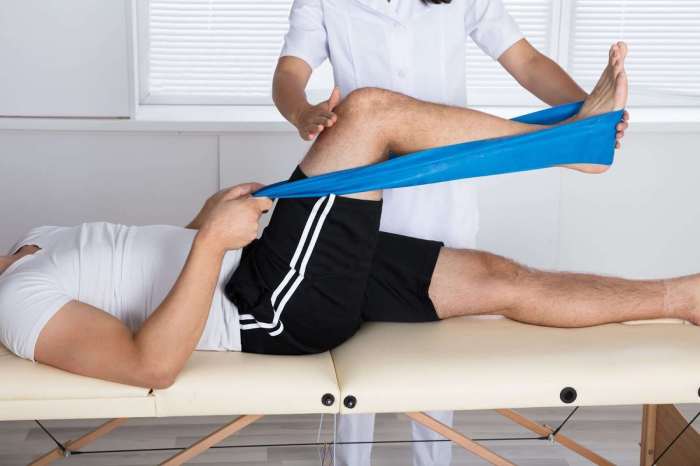
- Leg raises: Lying on your back and lifting one leg at a time helps improve hip strength and flexibility.
- Hip abduction and adduction: These exercises involve moving the leg sideways and towards the midline of the body, respectively, to enhance hip stability and range of motion.
Role of Stretching and Strengthening Exercises
Stretching exercises help improve flexibility in the hip joint, reducing stiffness and increasing the range of motion. Strengthening exercises, on the other hand, target the muscles around the hip to provide support and stability, preventing future injuries and enhancing overall function.
Physical Therapy Techniques for Hip Replacement Recovery
- Manual therapy: This involves hands-on techniques performed by a physical therapist to mobilize soft tissues and joints, reduce pain, and improve muscle function around the hip.
- Hydrotherapy: Water-based exercises in a pool help reduce the impact on the joints while providing resistance for strength training and promoting flexibility and balance.
Duration and Frequency of Physical Therapy Sessions for Hip Replacement Recovery
Physical therapy sessions for hip replacement recovery typically last around 60 minutes per session. During this time, the physical therapist will work with the patient on a variety of exercises and techniques to improve strength, flexibility, and range of motion in the hip joint.
Frequency of Physical Therapy Sessions
Patients undergoing hip replacement surgery should attend physical therapy sessions at least 2-3 times per week for optimal recovery. Consistent attendance is crucial to ensure progress and prevent setbacks in the healing process. The frequency may vary depending on the individual’s needs and progress.
Long-Term Physical Therapy Plan
After the initial phase of recovery, hip replacement patients may transition to a long-term physical therapy plan to maintain and further improve their hip function. This plan may involve fewer sessions per week but still focus on strengthening the muscles around the hip joint, improving balance, and enhancing overall mobility. The long-term physical therapy plan aims to help patients regain independence and resume their daily activities with minimal discomfort or limitations.
Role of Health Coaching and Wellness Programs in Hip Replacement Recovery
Health coaching plays a vital role in supporting patients to adhere to their physical therapy routines during hip replacement recovery. It offers personalized guidance, motivation, and accountability to help patients stay on track with their exercise programs and overall recovery plan.
Importance of Wellness Programs in Promoting Overall Well-Being
Wellness programs are essential in promoting overall well-being during hip replacement recovery. These programs focus on holistic health, incorporating aspects such as nutrition, stress management, and mental health support to ensure patients experience a well-rounded recovery process.
- Wellness programs can help patients manage pain and inflammation through nutrition and lifestyle adjustments, contributing to a faster recovery.
- By addressing mental and emotional well-being, wellness programs can reduce stress and anxiety levels, improving the overall quality of life during recovery.
- Engaging in wellness activities such as mindfulness practices or relaxation techniques can enhance the body’s healing process and support physical therapy outcomes.
How Health Coaching and Wellness Programs Complement Physical Therapy
Health coaching and wellness programs complement physical therapy by providing additional support and resources to enhance the overall recovery experience. They work hand in hand to address not only the physical aspects but also the mental, emotional, and lifestyle factors that influence recovery outcomes.
- Health coaches can collaborate with physical therapists to create personalized exercise plans that align with the patient’s goals and abilities, ensuring a comprehensive approach to recovery.
- Wellness programs can offer additional tools and strategies to help patients maintain a healthy lifestyle post-surgery, promoting long-term well-being and sustainability of the recovery progress.
- By integrating health coaching and wellness programs into the recovery process, patients can experience a more holistic and supportive approach to their hip replacement recovery journey.
Incorporating Yoga Practice and Mental Strength in Hip Replacement Recovery: Physical Therapy For Hip Replacement Recovery
Yoga practice can be a valuable addition to the rehabilitation process for hip replacement patients. It offers a holistic approach to healing, focusing on both physical and mental well-being. The benefits of integrating yoga into recovery include improved flexibility, strength, balance, and overall well-being. Moreover, yoga can help reduce stress and anxiety, which are common during the recovery period.
Benefits of Integrating Yoga Practice
- Enhanced flexibility and range of motion: Yoga poses can help increase flexibility in the hips and surrounding muscles, promoting better mobility.
- Improved strength and balance: Yoga incorporates various poses that target core strength and balance, essential for stability during daily activities.
- Stress reduction: The breathing techniques and mindfulness practices in yoga can help alleviate stress and promote relaxation, contributing to a more positive mindset during recovery.
- Mind-body connection: Yoga encourages a deeper connection between the mind and body, fostering awareness of physical sensations and emotions, which can be beneficial for overall healing.
Role of Mental Strength in Recovery
Mental strength plays a crucial role in overcoming challenges during hip replacement recovery. It involves resilience, determination, and a positive mindset to face setbacks and obstacles. Patients with strong mental strength are more likely to adhere to their rehabilitation program, stay motivated, and maintain a sense of optimism throughout the recovery process. Building mental resilience can help individuals cope with pain, discomfort, and frustrations that may arise during recovery.
Enhancing Mental Well-being with Mindfulness Techniques
Mindfulness techniques, such as meditation and deep breathing exercises, can significantly enhance the mental well-being of individuals recovering from hip replacement surgery. These practices promote relaxation, reduce anxiety, and improve focus and clarity of mind. By incorporating mindfulness into daily routines, patients can cultivate a sense of calmness, acceptance, and emotional stability, which are essential for a successful recovery journey.
Health Education and Nutritional Counseling for Hip Replacement Recovery
Health education plays a crucial role in empowering patients to make informed decisions about their recovery journey after hip replacement surgery. By providing patients with knowledge about their condition, treatment options, and the importance of rehabilitation, they can actively participate in their recovery process.
Nutritional counseling is equally important in supporting the healing process and overall health post hip replacement surgery. A well-balanced diet rich in nutrients can aid in tissue repair, reduce inflammation, and boost the immune system, all of which are essential for a successful recovery.
The Role of Nutritional Counseling
Nutritional counseling involves working with a dietitian or nutritionist to create a personalized meal plan that meets the specific needs of the patient post hip replacement surgery. This plan may include foods that are rich in vitamins, minerals, protein, and antioxidants to promote healing and reduce the risk of complications.
- Include foods high in protein: Protein is essential for tissue repair and muscle strength. Incorporate lean meats, fish, eggs, dairy, legumes, and nuts into your diet.
- Focus on anti-inflammatory foods: Foods like fruits, vegetables, whole grains, nuts, and seeds can help reduce inflammation and promote healing.
- Stay hydrated: Drinking an adequate amount of water is crucial for tissue healing and overall health. Aim to drink at least 8-10 glasses of water per day.
- Avoid processed foods and sugary drinks: These can contribute to inflammation and slow down the healing process. Opt for whole, unprocessed foods instead.
Remember, a well-balanced diet not only supports your recovery but also improves your overall health and well-being.
Importance of Physical Activities and Fitness Goals in Hip Replacement Recovery
Physical activities and fitness goals play a crucial role in the recovery process post hip replacement surgery. Engaging in tailored exercises and setting fitness goals can significantly benefit patients in their journey towards full recovery.
Benefits of Engaging in Physical Activities
- Improves joint flexibility and range of motion
- Strengthens muscles around the hip joint
- Enhances overall physical fitness and endurance
- Aids in weight management and reduces the risk of obesity-related complications
Setting Fitness Goals for Motivation
- Setting specific, measurable fitness goals can help patients stay motivated and committed to their recovery journey.
- Goals such as walking a certain distance, increasing strength in specific muscle groups, or achieving a certain level of flexibility can provide a sense of achievement and progress.
- Tracking progress towards fitness goals can boost morale and promote a positive mindset throughout the recovery process.
Examples of Low-Impact Physical Activities
- Walking: A low-impact exercise that helps improve cardiovascular health and strengthen leg muscles.
- Swimming: Gentle on the joints, swimming is an excellent full-body workout that can improve range of motion and muscle strength.
- Cycling: Stationary or outdoor cycling can help improve hip mobility and strengthen leg muscles without putting too much stress on the joints.
- Yoga: Promotes flexibility, balance, and relaxation while also strengthening core muscles essential for hip stability.
Skin Health and Emotional Well-being in Hip Replacement Recovery
During the recovery period from hip replacement surgery, it is essential to pay attention to the skin around the surgical site to prevent any complications.
Skin Care for Surgical Site
- Keep the surgical incision clean and dry to prevent infections.
- Avoid applying any lotions, creams, or powders on the incision area unless advised by your healthcare provider.
- Monitor the incision site for any signs of redness, swelling, or discharge and report any concerns to your medical team immediately.
- Follow the specific wound care instructions provided by your healthcare provider for optimal healing.
Emotional Challenges and Coping Strategies
Patients undergoing hip replacement surgery may experience a range of emotional challenges during the recovery process.
- Feelings of frustration, anxiety, or depression are common and normal reactions to the changes in mobility and lifestyle.
- Engage in open communication with your healthcare team, family, or friends to express your emotions and seek support.
- Practice relaxation techniques such as deep breathing, meditation, or mindfulness to reduce stress and promote emotional well-being.
- Consider joining a support group or therapy sessions to connect with others who are going through similar experiences.
Enhancing Emotional Well-being
- Focus on maintaining a positive mindset and setting realistic goals for your recovery journey.
- Engage in activities that bring you joy and relaxation, such as reading, listening to music, or spending time outdoors.
- Stay connected with loved ones and participate in social activities to combat feelings of isolation or loneliness.
- Seek professional help if you continue to struggle with overwhelming emotions or mental health concerns.
User Queries
How long does a typical physical therapy session last?
A typical session lasts around 45-60 minutes, but the duration may vary based on individual needs and progress.
Can physical therapy help in reducing inflammation in the hip joint?
Yes, physical therapy includes techniques that can help reduce inflammation, providing relief and promoting healing.
Is it necessary to continue physical therapy even after feeling better?
Yes, it’s important to follow through with the full physical therapy plan to ensure long-term recovery and prevent complications.


More Stories
Nutritional counseling for womens health: Tailored Guidance for Wellness
Preventive medicine and integrative health approaches: A Holistic Approach to Wellness
Health awareness and fitness education: Promoting Wellness Through Knowledge and Exercise