Importance of Positive Thinking for a Healthy Mind
Positive thinking plays a crucial role in maintaining a healthy mind and overall well-being. It has a direct impact on mental health by shaping our attitudes, emotions, and behaviors towards a more optimistic outlook on life.
Positive Thinking and Mental Health
Positive thinking has been linked to lower levels of depression, anxiety, and stress. When individuals adopt a positive mindset, they are more likely to cope better with challenges, setbacks, and negative experiences. This can lead to improved mental resilience and emotional well-being.
- Positive thinking promotes a sense of hope and optimism, which can help individuals overcome difficult situations.
- It enhances self-esteem and self-confidence, leading to a more positive self-image and greater overall satisfaction with life.
Connection between Positive Thinking and Stress Reduction
Positive thinking is a powerful tool in reducing stress levels. When individuals focus on positive thoughts and outcomes, they are less likely to dwell on negative scenarios or stressors. This shift in mindset can help reduce the physiological and psychological effects of stress on the body.
By reframing negative thoughts into positive ones, individuals can lower their cortisol levels and experience a calmer state of mind.
Benefits of Cultivating a Positive Mindset
Cultivating a positive mindset has numerous benefits for a healthy mind. It can improve overall mental health, enhance emotional well-being, and contribute to a more balanced and fulfilling life.
- Increased resilience: Positive thinking enhances the ability to bounce back from challenges and setbacks.
- Better relationships: Optimistic individuals tend to attract positive people and build stronger connections with others.
- Improved physical health: Positive thinking has been associated with lower rates of cardiovascular disease, better immune function, and increased longevity.
Healthy Snacks
Importance of positive thinking for a healthy mind – When it comes to promoting brain health, incorporating nutritious snacks into your daily diet is crucial. These snacks not only provide essential nutrients for your brain but also help maintain mental clarity and focus throughout the day.
List of Nutritious Snack Options:
- Blueberries: Rich in antioxidants that support brain health.
- Almonds: Packed with vitamin E, an important nutrient for cognitive function.
- Greek Yogurt: High in protein and probiotics, beneficial for brain health.
- Dark Chocolate: Contains flavonoids that improve blood flow to the brain.
Importance of Healthy Snacks:
Healthy snacks play a vital role in maintaining mental clarity and focus by providing a steady source of energy and essential nutrients. They help regulate blood sugar levels and prevent energy crashes, ensuring sustained cognitive function throughout the day.
Easy and Quick Healthy Snack Recipes:
- Avocado Toast: Mash avocado onto whole-grain toast and top with a sprinkle of sea salt and red pepper flakes.
- Trail Mix: Combine nuts, seeds, and dried fruits for a nutrient-packed snack on the go.
- Vegetable Crudites with Hummus: Slice up colorful veggies and enjoy with a side of hummus for a satisfying snack.
Role of Healthy Snacks in Maintaining Mental Clarity:
By choosing nutrient-dense snacks like fruits, nuts, and yogurt, you can support your brain health and enhance cognitive function. These snacks provide essential vitamins, minerals, and antioxidants that nourish the brain and help improve focus, memory, and overall mental well-being.
Wellness Programs
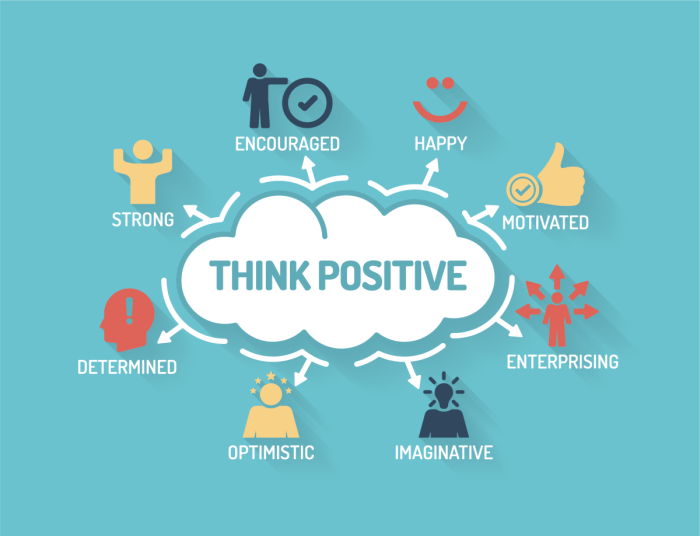
Wellness programs are comprehensive initiatives designed to promote physical, mental, and emotional well-being among individuals. These programs usually incorporate a variety of activities and resources aimed at improving overall health and quality of life.
Components of a Comprehensive Wellness Program
- Physical Fitness Activities: Including exercise classes, gym memberships, and outdoor recreational activities.
- Nutritional Support: Providing access to healthy food options, nutrition counseling, and cooking classes.
- Mental Health Resources: Offering counseling services, stress management techniques, and mindfulness practices.
- Health Education: Workshops on various health topics such as smoking cessation, sleep hygiene, and chronic disease management.
- Employee Assistance Programs: Supporting individuals facing personal or work-related challenges through counseling and referral services.
How Wellness Programs Support Mental Health
- Reduce Stress: Engaging in physical activities and relaxation techniques can help lower stress levels and improve mental well-being.
- Promote Work-Life Balance: Wellness programs encourage individuals to prioritize self-care and maintain a healthy balance between work and personal life.
- Build Supportive Communities: Participating in group activities fosters social connections and creates a sense of belonging, which can positively impact mental health.
Success Stories of Individuals Benefiting from Wellness Programs
“After joining my company’s wellness program, I started practicing yoga regularly and found it to be a great stress reliever. My overall mood and productivity improved significantly.”
Importance of Mental Well-being in Overall Wellness Initiatives
- Mental health is a crucial component of overall wellness, as it directly impacts one’s ability to function effectively in all areas of life.
- Prioritizing mental well-being can lead to improved physical health, better relationships, and increased productivity.
- Addressing mental health needs within wellness programs can help individuals cope with challenges, build resilience, and enhance their quality of life.
Physical Therapy
Physical therapy plays a crucial role in improving mental health by promoting overall well-being through physical activity and movement. It can help reduce stress, anxiety, and depression while enhancing mood and cognitive function.
Exercises for Mental Well-being
- Yoga: Combining physical postures, breathing techniques, and meditation, yoga can help calm the mind and reduce stress levels.
- Aerobic Exercises: Activities like running, swimming, or cycling release endorphins, the body’s natural mood elevator, which can improve mental health.
- Strength Training: Building muscle strength not only benefits physical health but can also boost self-esteem and confidence, leading to a positive mindset.
Role of Physical Therapy in Stress Management
Physical therapy can provide individuals with coping mechanisms to manage stress effectively. Techniques such as progressive muscle relaxation, deep breathing exercises, and mindfulness can help reduce tension and promote relaxation, contributing to better mental health.
Success Stories
“After incorporating regular physical therapy sessions into my routine, I noticed a significant decrease in my anxiety levels and an overall improvement in my mental well-being. The exercises helped me feel more energized and positive throughout the day.”
“Through physical therapy, I learned how to better connect with my body and mind, leading to a greater sense of inner peace and mental clarity. It has been a transformative experience for me in managing stress and improving my overall mental health.”
Health Coaching
Health coaching plays a crucial role in promoting positive thinking for a healthy mind by providing individuals with the necessary support, guidance, and motivation to achieve mental wellness goals.
Role of a Health Coach
- Health coaches work with individuals to identify negative thinking patterns and help them reframe their mindset towards a more positive outlook.
- They offer personalized strategies and tools to cultivate a positive mindset, such as mindfulness practices, gratitude exercises, and stress management techniques.
- Health coaches empower individuals to set realistic goals, track progress, and overcome obstacles that may hinder their mental well-being.
Supporting Individuals in Achieving Mental Wellness Goals
- Health coaching provides a safe space for individuals to express their thoughts and feelings without judgment, fostering self-awareness and emotional resilience.
- Coaches help clients develop healthy habits and routines that promote mental well-being, such as regular exercise, adequate sleep, and balanced nutrition.
- Through regular check-ins and accountability, health coaches assist individuals in staying focused and motivated on their journey towards a positive mindset.
Tips from Health Coaches
-
“Practice daily affirmations to boost self-confidence and cultivate a positive self-image.”
-
“Engage in activities that bring joy and fulfillment to your life, such as hobbies, social connections, and creative pursuits.”
-
“Prioritize self-care and set boundaries to protect your mental and emotional well-being.”
Impact of Health Coaching on Overall Mental Health
- Studies have shown that individuals who receive health coaching experience reduced levels of stress, anxiety, and depression.
- Health coaching has been linked to improved self-esteem, resilience, and overall quality of life.
- By promoting positive thinking and mental wellness, health coaching contributes to a stronger sense of well-being and fulfillment in individuals’ lives.
Medical Advancements
Recent medical advancements in mental health treatment have revolutionized the way individuals with mental health challenges are cared for. These advancements have not only improved outcomes but also provided new hope for those struggling with various conditions.
Advances in Neurostimulation Therapies
- Neurostimulation therapies, such as transcranial magnetic stimulation (TMS) and deep brain stimulation (DBS), have shown promising results in treating conditions like depression, anxiety, and PTSD.
- These therapies target specific areas of the brain to modulate neural activity, offering a non-invasive and effective treatment option for individuals who do not respond well to traditional medications.
Personalized Medicine and Genetic Testing
- Advances in genetic testing have enabled healthcare providers to tailor treatment plans based on an individual’s genetic makeup, leading to more personalized and effective interventions.
- By understanding the genetic components of mental health disorders, doctors can prescribe medications with higher precision and reduce the risk of adverse reactions.
The Rise of Telehealth and Digital Therapeutics
- Telehealth services and digital therapeutics platforms have made mental health care more accessible and convenient for individuals, especially in remote or underserved areas.
- These technologies allow patients to connect with healthcare providers, access therapy sessions, and monitor their progress from the comfort of their homes, improving overall treatment adherence and outcomes.
Future of Mental Health Treatment
- As technology continues to advance, we can expect to see more innovative treatments such as virtual reality therapy, artificial intelligence-driven interventions, and precision psychiatry becoming mainstream in mental health care.
- These developments hold the promise of more effective, personalized, and holistic approaches to treating mental health conditions, ultimately leading to better long-term outcomes for patients.
Importance of Staying Updated on Medical Advancements
- Staying informed about the latest medical advancements in mental health is crucial for healthcare professionals, patients, and caregivers alike.
- By keeping up-to-date with new treatments and technologies, individuals can make more informed decisions about their care, advocate for themselves, and contribute to reducing the stigma surrounding mental health disorders.
Fitness Goals
Regular physical activity is not only crucial for maintaining a healthy body but also plays a significant role in promoting mental well-being. The connection between physical fitness and mental health is undeniable, as exercise has been proven to reduce stress, anxiety, and depression while improving overall mood and cognitive function. Setting and achieving fitness goals can be a powerful tool in supporting a healthy mind by providing structure, motivation, and a sense of accomplishment.
Strategies for Setting and Achieving Fitness Goals
- Start by setting specific, measurable, attainable, relevant, and time-bound (SMART) goals to ensure clarity and focus.
- Break down larger fitness goals into smaller, manageable steps to track progress and stay motivated.
- Find an exercise routine or activity that you enjoy to make it easier to stay consistent and committed.
- Hold yourself accountable by tracking your workouts, seeking support from a fitness buddy, or working with a personal trainer.
- Celebrate small victories along the way to maintain motivation and momentum towards your larger fitness goals.
Benefits of Regular Exercise on Mood and Mental Health
Regular exercise has been shown to have numerous benefits on mood and mental health, including:
- Release of endorphins, also known as “feel-good” hormones, which can reduce feelings of pain and stress.
- Improvement in sleep quality, which is essential for overall mental well-being and cognitive function.
- Reduction in symptoms of anxiety and depression through the regulation of neurotransmitters in the brain.
- Boost in self-esteem and confidence as you achieve fitness milestones and improve physical health.
Incorporating Fitness Goals into Overall Mental Wellness Plans
It is essential to integrate fitness goals into overall mental wellness plans to ensure a holistic approach to health. By prioritizing regular exercise and setting specific fitness goals, individuals can improve their physical health, enhance their mental well-being, and achieve a greater sense of balance and fulfillment in life. Remember, a healthy body supports a healthy mind, and fitness goals play a vital role in maintaining both.
Balanced Nutrition
When it comes to mental health, balanced nutrition plays a crucial role in supporting brain function and mood regulation. The food we consume directly impacts our cognitive abilities, emotions, and overall mental well-being.
Key Nutrients for Brain Function and Mood Regulation
- Omega-3 fatty acids: Found in fish, flaxseeds, and walnuts, omega-3s are essential for brain health and can help improve mood and cognition.
- Vitamin D: Sunlight exposure and foods like fortified dairy products and fatty fish can help boost vitamin D levels, which are linked to mental health and mood regulation.
- B vitamins: Foods like whole grains, leafy greens, and lean proteins contain B vitamins that support neurotransmitter function, helping to regulate mood and reduce stress.
Tips for Maintaining a Balanced Diet for a Healthy Mind
- Include a variety of fruits, vegetables, whole grains, lean proteins, and healthy fats in your meals to ensure you’re getting a range of nutrients.
- Avoid processed foods high in sugar and unhealthy fats, as they can negatively impact mood and cognitive function.
- Stay hydrated by drinking plenty of water throughout the day, as dehydration can lead to fatigue and affect mental clarity.
Role of Nutrition in Promoting Positive Thinking and Mental Clarity
Nutrition plays a significant role in promoting positive thinking and mental clarity by providing the brain with the necessary nutrients to function optimally. A balanced diet can help stabilize mood, reduce anxiety, and enhance cognitive performance, ultimately contributing to a healthy mind and overall well-being.
Mental Strength
Positive thinking is closely linked to mental strength, which encompasses the ability to cope with challenges, setbacks, and stress in a resilient manner. It involves having a positive outlook on life, being able to manage emotions effectively, and maintaining a sense of control in difficult situations.
Techniques for Building Mental Resilience and Strength
- Practice mindfulness and meditation to stay present and focused.
- Develop a growth mindset by viewing challenges as opportunities for growth.
- Set realistic goals and work towards achieving them.
- Cultivate self-compassion and learn to forgive yourself for mistakes.
- Seek social support from friends, family, or a therapist when needed.
Importance of Mental Strength in Maintaining a Healthy Mind
Mental strength plays a crucial role in maintaining a healthy mind as it helps individuals navigate through life’s ups and downs with resilience and optimism. It enables individuals to bounce back from setbacks, cope with stress effectively, and maintain a positive outlook on life.
Examples of Individuals with Remarkable Mental Strength
- Nelson Mandela: Despite facing 27 years in prison, Mandela emerged with forgiveness and a vision of unity for South Africa.
- Mary Kom: Overcame numerous obstacles to become a world champion boxer and an inspiration to many.
- Malala Yousafzai: Survived a targeted attack by the Taliban and continued to advocate for girls’ education worldwide.
Yoga Practice
Yoga is a powerful practice that not only benefits physical health but also plays a significant role in promoting positive thinking and mental well-being. Through a combination of physical postures, breathing exercises, and meditation, yoga helps individuals cultivate a sense of mindfulness and inner peace, which are essential for maintaining a healthy mind.
Benefits of Yoga for Mental Health
- Reduces stress and anxiety levels by calming the mind and body.
- Improves focus and concentration through mindfulness practices.
- Promotes emotional well-being by releasing tension and negative emotions.
- Enhances self-awareness and self-compassion, fostering a positive mindset.
Yoga Poses for a Healthy Mind
- Child’s Pose (Balasana) for relaxation and stress relief.
- Tree Pose (Vrksasana) for balance and mental focus.
- Downward-Facing Dog (Adho Mukha Svanasana) for rejuvenating the mind and body.
- Corpse Pose (Savasana) for complete relaxation and mental clarity.
Mindfulness in Yoga and Mental Well-being
By practicing mindfulness during yoga, individuals learn to stay present in the moment, observe their thoughts without judgment, and cultivate a sense of gratitude and acceptance. This awareness translates into daily life, leading to reduced rumination, improved emotional regulation, and a more positive outlook on life.
Integrating Yoga into a Holistic Mental Wellness Routine
Incorporating yoga into a holistic mental wellness routine can enhance the overall effectiveness of other practices such as positive thinking, meditation, and self-care. By committing to a regular yoga practice, individuals can strengthen their mind-body connection, improve their emotional resilience, and foster a deep sense of inner peace and contentment.
Health Education
Health education plays a crucial role in promoting positive thinking and overall mental well-being. By providing individuals with the knowledge and skills to understand and manage their mental health, we can help them cultivate a positive mindset and cope effectively with life’s challenges.
The Importance of Mental Health Education
One of the key aspects of mental health education is raising awareness about the importance of positive thinking and its impact on overall well-being. By educating individuals about the power of positive thinking, we can help them develop resilience, reduce stress, and improve their overall quality of life.
- Providing resources for mental health education and awareness, such as online courses, workshops, and support groups, can empower individuals to take control of their mental health and well-being.
- Increasing health literacy through mental health education can support a healthy mind by equipping individuals with the knowledge and skills to recognize and address mental health issues effectively.
- Examples of the impact of health education on mental well-being include reduced stigma surrounding mental health, increased access to mental health services, and improved overall mental health outcomes.
Weight Management
Maintaining a healthy weight is not just about physical appearance; it also plays a crucial role in mental health. The link between weight management and mental well-being is significant, as excess weight can lead to various mental health issues such as low self-esteem, depression, and anxiety. On the other hand, achieving a healthy weight can boost self-confidence, improve mood, and reduce stress levels.
Benefits of Weight Management on Mental Health
- Improved self-esteem and body image
- Reduced risk of depression and anxiety
- Enhanced cognitive function and mental clarity
- Increased energy levels and motivation
Strategies for Maintaining a Healthy Weight
- Follow a balanced diet rich in fruits, vegetables, lean proteins, and whole grains
- Engage in regular physical activity such as cardio, strength training, and yoga
- Practice mindful eating and avoid emotional eating triggers
- Stay hydrated and get an adequate amount of sleep
Success Stories of Improved Mental Health through Weight Management
“After losing 20 pounds and adopting a healthier lifestyle, I noticed a significant improvement in my mood and overall well-being. I feel more confident and positive about myself.” – Sarah
“Managing my weight not only transformed my physical health but also had a profound impact on my mental health. I am more focused, energetic, and happier than ever before.” – John
Tips for Achieving a Healthy Weight for Mental Well-being
- Set realistic goals and track your progress regularly
- Seek support from friends, family, or a health professional
- Avoid comparing yourself to others and focus on your own journey
- Celebrate small victories and practice self-compassion
Health Checkups
Regular health checkups play a crucial role in maintaining not just physical health but also mental well-being. These routine visits to healthcare professionals can help in early detection of any signs of mental health issues, allowing for timely intervention and treatment.
Importance of Preventive Health Screenings
- Preventive health screenings during checkups can help in identifying risk factors associated with mental health conditions.
- Early detection through screenings can lead to prompt management and support, preventing the escalation of mental health issues.
- Regular checkups can also aid in monitoring progress and assessing the effectiveness of any ongoing mental health treatment.
Skin Health
The health of our skin is closely linked to our mental well-being. When our skin looks and feels good, it can boost our confidence and self-esteem, leading to a more positive mindset. On the other hand, skin issues can cause stress and anxiety, affecting our overall mental health.
Importance of Skincare Routines
Skincare routines play a significant role in promoting a positive mindset. Taking care of our skin can be a form of self-care and relaxation, helping to reduce stress and improve our mood. Additionally, a consistent skincare routine can instill a sense of discipline and accomplishment, which can boost self-esteem.
- Establish a daily skincare routine that includes cleansing, moisturizing, and protecting your skin from the sun.
- Choose skincare products suitable for your skin type to prevent irritation and breakouts.
- Practice regular exfoliation to remove dead skin cells and promote cell turnover for a healthy complexion.
Psychological Benefits of Good Skin Health
Maintaining healthy skin can have several psychological benefits, such as increased confidence, improved self-image, and reduced anxiety. When our skin looks radiant and clear, we tend to feel more comfortable and positive in social situations, enhancing our overall well-being.
- Clear skin can boost self-confidence and make us feel more attractive, leading to a positive self-perception.
- Healthy skin can reduce feelings of self-consciousness and anxiety related to skin issues, allowing us to focus on other aspects of our lives.
- Skincare rituals can serve as a form of self-care and relaxation, promoting mental wellness and reducing stress levels.
Emotional Health
Emotional health refers to the ability to understand, express, and manage our emotions effectively. It plays a crucial role in maintaining a healthy mind by influencing our thoughts, behaviors, and overall well-being. When we prioritize our emotional health, we can better cope with stress, build strong relationships, and navigate life’s challenges with resilience.
Strategies for Enhancing Emotional Well-being
- Practice gratitude: Cultivating a mindset of gratitude can help shift your focus towards the positive aspects of life, boosting your emotional well-being.
- Engage in mindfulness activities: Activities such as meditation, deep breathing exercises, or yoga can help you stay present and reduce stress levels.
- Seek support: Building a strong support system of friends, family, or a therapist can provide a safe space to express your emotions and receive guidance.
- Engage in hobbies: Participating in activities you enjoy can boost your mood and provide a sense of accomplishment, contributing to emotional well-being.
Impact of Emotional Health on Overall Mental Wellness
Emotional health is closely linked to mental wellness, as our emotions can greatly influence our thoughts and behaviors. When we prioritize emotional well-being, we are better equipped to handle challenges, maintain positive relationships, and foster a sense of inner peace. Neglecting emotional health can lead to increased stress, anxiety, and other mental health issues.
Ways to Nurture Emotional Health for a Positive Mindset
- Practice self-care: Taking time for yourself, engaging in activities you love, and prioritizing your needs can help nurture emotional well-being.
- Develop emotional intelligence: Enhancing your ability to recognize, understand, and manage your emotions can lead to better emotional health.
- Set boundaries: Establishing healthy boundaries in relationships and at work can protect your emotional well-being and prevent burnout.
- Stay connected: Building and maintaining meaningful relationships with others can provide emotional support and a sense of belonging.
Health Motivation
Maintaining a healthy mind requires more than just positive thinking; it also involves staying motivated to prioritize mental well-being. Motivation plays a crucial role in our ability to make healthy choices, manage stress, and overcome obstacles that may impact our mental health.
The Role of Motivation in Maintaining a Healthy Mind
Motivation serves as the driving force behind our actions and behaviors when it comes to taking care of our mental well-being. It helps us stay committed to self-care practices, such as mindfulness, therapy, or engaging in activities that bring us joy. Without motivation, it can be challenging to stay on track with mental health goals and maintain a positive outlook.
Tips for Staying Motivated to Prioritize Mental Well-Being
- Set achievable goals: Break down larger mental health goals into smaller, more manageable tasks to stay motivated.
- Find a support system: Surround yourself with individuals who uplift and encourage you on your mental health journey.
- Celebrate small victories: Acknowledge and celebrate progress, no matter how small, to stay motivated and positive.
- Practice self-compassion: Be kind to yourself and recognize that setbacks are a normal part of the process.
The Importance of Setting Goals for Health Motivation
Setting specific, measurable, achievable, relevant, and time-bound (SMART) goals can provide direction and motivation for improving mental health. Goals help create a roadmap for success and give us a sense of purpose and accomplishment when achieved.
Examples of How Motivation Can Impact Mental Health Outcomes
- Increased resilience: Motivated individuals are better equipped to bounce back from setbacks and challenges, promoting mental resilience.
- Improved self-esteem: Achieving mental health goals through motivation can boost self-confidence and self-worth.
- Enhanced overall well-being: Consistent motivation to prioritize mental health leads to improved emotional balance and overall well-being.
Physical Activities
Regular physical activities play a crucial role in maintaining not only physical health but also mental well-being. Engaging in various forms of exercise can significantly impact one’s positive thinking and overall mental health.
Benefits of Physical Activities for Mental Health
- Improves mood by releasing endorphins, the feel-good hormones.
- Reduces stress and anxiety levels through relaxation and distraction.
- Enhances cognitive function and memory by increasing blood flow to the brain.
- Promotes better sleep patterns and overall quality of sleep.
Types of Physical Activities for a Healthy Mind
- Aerobic exercises like running, dancing, or cycling for cardiovascular health and stress relief.
- Strength training to improve muscle tone and boost self-esteem.
- Yoga and Pilates for flexibility, mindfulness, and relaxation.
- Sports activities for social interaction, teamwork, and fun.
Connection Between Exercise and Positive Thinking
Regular exercise not only improves physical health but also has a profound impact on mental well-being. Physical activities stimulate the release of endorphins, which are natural mood lifters, leading to a more positive outlook on life. The sense of accomplishment from reaching fitness goals can also boost self-confidence and overall positivity.
Tips for Incorporating Physical Activities into Daily Routines
- Schedule dedicated workout time each day, even if it’s just for a short period.
- Choose activities that you enjoy to make exercising more sustainable and enjoyable.
- Include physical activities in your daily routine, such as taking the stairs instead of the elevator or walking during lunch breaks.
- Find a workout buddy or join group classes to stay motivated and accountable.
Health Awareness

Health awareness plays a crucial role in society, especially when it comes to mental health. It is essential to educate and inform individuals about the importance of mental well-being and the impact it has on overall health.
Initiatives Promoting Health Awareness
- Organizing mental health workshops and seminars in communities and workplaces to raise awareness about the importance of mental health.
- Collaborating with mental health organizations to spread information and resources on mental health issues.
- Utilizing social media platforms to share positive messages and tips for maintaining good mental health.
Increasing Awareness About Mental Health Issues
- Encouraging open discussions about mental health to reduce stigma and encourage individuals to seek help when needed.
- Providing educational materials and resources on mental health in schools, colleges, and healthcare facilities.
- Training healthcare professionals and first responders to recognize and address mental health concerns effectively.
Impact of Health Awareness on Destigmatizing Mental Health Challenges
By increasing awareness about mental health, society can break down barriers and stereotypes surrounding mental illness. This can lead to more compassion, support, and understanding for individuals facing mental health challenges.
Preventive Medicine
Preventive medicine is essential for maintaining a healthy mind as it focuses on identifying and addressing risk factors before they escalate into serious mental health issues.
Role of Preventive Medicine in Mental Well-being
- Regular mental health screenings can help detect early signs of anxiety, depression, or other mental health disorders.
- Education on stress management techniques can prevent the development of chronic stress, which can lead to more severe mental health conditions.
- Creating a supportive environment at home and work can reduce feelings of isolation and improve overall mental well-being.
Importance of Early Intervention
- Early intervention can prevent mild mental health issues from progressing into more severe conditions.
- Seeking help at the first signs of distress can lead to better treatment outcomes and a faster recovery process.
- Developing coping strategies early on can build resilience and improve mental strength.
Examples of Preventive Measures
- Regular exercise to boost mood and reduce symptoms of anxiety and depression.
- Maintaining a healthy diet rich in nutrients that support brain health.
- Engaging in mindfulness practices such as meditation or yoga to reduce stress and improve mental clarity.
Benefits of Preventive Medicine for Mental Health, Importance of positive thinking for a healthy mind
- Enhanced quality of life by preventing the onset of mental health disorders.
- Reduced healthcare costs associated with treating advanced mental health conditions.
- Improved overall well-being and resilience to life’s challenges.
Nutritional Counseling: Importance Of Positive Thinking For A Healthy Mind
Nutritional counseling plays a crucial role in supporting mental health by providing individuals with the knowledge and tools to make informed choices about their diet. A well-balanced diet is essential for maintaining optimal brain function and emotional well-being.
Role of Nutritional Counseling in Supporting Mental Health
Nutritional counseling offers personalized nutrition plans tailored to an individual’s specific needs and goals. By addressing deficiencies and ensuring the intake of essential nutrients, a balanced diet can have a positive impact on mental health. This can lead to improved mood, reduced stress levels, and enhanced cognitive function.
Success Stories of Individuals Benefiting from Nutritional Counseling
One success story involves a client who struggled with anxiety and mood swings. Through nutritional counseling, they discovered that certain nutrients, such as omega-3 fatty acids and magnesium, played a crucial role in regulating their mood. By incorporating these nutrients into their diet, they experienced a significant improvement in their mental well-being.
Impact of Nutritional Counseling on Overall Mental Health
Nutritional counseling not only focuses on the immediate benefits of a healthy diet but also emphasizes the long-term impact on overall mental health. By promoting healthy eating habits and addressing nutritional imbalances, individuals can reduce their risk of developing mental health disorders and improve their quality of life.
Healthy Mind
Maintaining a healthy mind is crucial for overall well-being. A healthy mind is characterized by a positive outlook, emotional resilience, and the ability to cope with stress effectively. Here are some tips for promoting a healthy mind through various lifestyle choices:
Tips for Maintaining a Healthy Mind
- Practice mindfulness and meditation to reduce stress and improve mental clarity.
- Engage in regular physical exercise to boost mood and cognitive function.
- Cultivate positive relationships and social connections for emotional support.
- Get an adequate amount of sleep to allow the brain to rest and recharge.
- Challenge yourself with new activities and hobbies to keep the mind sharp and engaged.
Importance of Mental Well-being
Mental well-being plays a crucial role in overall health. It impacts our ability to make healthy choices, maintain relationships, and cope with challenges effectively. Prioritizing mental health can lead to improved physical health and overall quality of life.
Habits for a Healthy Mind
- Practicing gratitude daily to foster a positive mindset.
- Avoiding negative self-talk and practicing self-compassion.
- Setting realistic goals and working towards achieving them.
- Taking breaks when needed and practicing self-care regularly.
Question & Answer Hub
How does positive thinking impact mental health?
Positive thinking can improve mental health by reducing stress levels, enhancing overall well-being, and promoting a healthy mindset.
What are the benefits of cultivating a positive mindset?
Cultivating a positive mindset can lead to improved mental clarity, better stress management, and a more optimistic outlook on life.
How does positive thinking contribute to a healthy mind?
Positive thinking plays a crucial role in maintaining a healthy mind by fostering resilience, promoting emotional well-being, and enhancing overall mental wellness.


More Stories