Preventive Medicine and Integrative Health Approaches
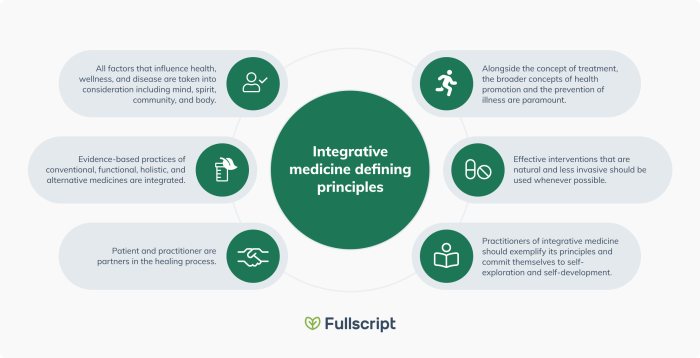
Preventive medicine focuses on identifying and addressing risk factors for disease before they manifest, aiming to prevent illness and promote overall health. Integrative health approaches, on the other hand, combine conventional medicine with complementary and alternative therapies to treat the whole person, considering physical, emotional, mental, social, and spiritual factors.
Examples of Integrative Health Approaches
- Acupuncture: A traditional Chinese medicine practice involving the insertion of thin needles into specific points on the body to promote balance and alleviate various health conditions.
- Yoga: An ancient practice that combines physical postures, breathing techniques, and meditation to improve flexibility, strength, and mental well-being.
- Herbal Medicine: The use of plants and plant extracts to support health and treat various ailments, often used in conjunction with conventional treatments.
The Importance of Combining Both Approaches
By integrating preventive medicine and integrative health approaches, individuals can benefit from a comprehensive and personalized approach to healthcare. Preventive measures help identify and mitigate health risks early on, while integrative therapies offer additional tools to support overall well-being and address underlying imbalances. This holistic approach can lead to better health outcomes and enhanced quality of life.
Healthy Snacks
Incorporating healthy snacks into a daily diet can provide numerous benefits for overall well-being. Not only do they help maintain energy levels throughout the day, but they also contribute essential nutrients that support various bodily functions.
Nutrient-Dense Snack Options
When selecting healthy snacks, opt for nutrient-dense options that are rich in vitamins, minerals, and antioxidants. Some examples include:
- Fresh fruits such as berries, apples, and bananas
- Raw vegetables like carrots, bell peppers, and cucumber slices
- Nuts and seeds such as almonds, walnuts, and chia seeds
- Greek yogurt with a sprinkle of granola or honey
- Whole grain crackers with hummus or guacamole
Supporting Energy Levels and Well-Being
Healthy snacks can play a crucial role in maintaining stable energy levels throughout the day. By choosing nutrient-dense options, you can avoid energy crashes and keep your metabolism running efficiently. Additionally, these snacks provide essential nutrients that support overall well-being, including immune function, cognitive health, and digestive health.
Wellness Programs
Wellness programs are comprehensive initiatives designed to improve and maintain the overall health and well-being of individuals. These programs typically consist of a variety of components that work together to promote a healthy lifestyle and prevent illness.
Explain how wellness programs promote a healthy lifestyle.
Wellness programs promote a healthy lifestyle by providing education and resources on nutrition, exercise, stress management, and other key components of well-being. By offering tools and support, these programs empower individuals to make positive choices that contribute to their overall health.
Components of a Comprehensive Wellness Program
- Health Assessments: Wellness programs often begin with health assessments to identify risk factors and personalize health goals.
- Physical Activity: Encouraging regular exercise and providing fitness classes or resources to promote physical well-being.
- Nutrition Education: Offering information on healthy eating habits, meal planning, and the importance of a balanced diet.
- Stress Management: Providing techniques for managing stress, such as mindfulness practices, yoga, or counseling services.
- Preventive Screenings: Facilitating access to preventive screenings and vaccinations to detect and prevent potential health issues.
Benefits of Participating in Wellness Programs, Preventive medicine and integrative health approaches
- Improved Health Outcomes: By adopting healthy habits and engaging in preventive care, individuals can reduce their risk of chronic diseases and improve their overall health.
- Increased Productivity: Healthy employees are more productive, focused, and engaged, leading to better performance in the workplace.
- Enhanced Well-Being: Wellness programs not only focus on physical health but also address mental and emotional well-being, contributing to a better quality of life.
- Cost Savings: Preventive measures and early detection of health issues can lead to reduced healthcare costs for both individuals and employers.
Physical Therapy
Physical therapy plays a crucial role in both injury recovery and prevention. By focusing on improving mobility, reducing pain, and enhancing overall physical function, physical therapy helps individuals regain strength and flexibility to prevent future injuries.
Benefits of Physical Therapy
- Improved mobility: Physical therapy exercises and techniques help enhance flexibility and range of motion in joints and muscles.
- Pain reduction: Through targeted exercises and manual therapy, physical therapy can alleviate pain and discomfort caused by injuries or chronic conditions.
- Enhanced strength: By incorporating strength training exercises, physical therapy helps build muscle and improve overall physical function.
- Prevention of future injuries: Physical therapy focuses on correcting movement patterns and strengthening weak areas to reduce the risk of future injuries.
Common Exercises in Physical Therapy
- Range of motion exercises: These exercises help improve flexibility and joint mobility, essential for restoring normal movement after an injury.
- Strength training: Incorporating resistance exercises helps build muscle strength and endurance to support the injured area and prevent further damage.
- Balance and stability exercises: These exercises help improve coordination and prevent falls, crucial for individuals recovering from injuries or surgeries.
- Stretching exercises: Stretching routines help maintain flexibility, reduce muscle tightness, and improve overall mobility.
Health Coaching
Health coaching plays a crucial role in supporting individuals’ health goals by providing personalized guidance and motivation to make sustainable lifestyle changes.
Behavior Change and Motivation
Health coaching can help individuals with behavior change by setting achievable goals, creating action plans, and providing ongoing support and accountability. Coaches use evidence-based strategies to enhance motivation and address barriers to change.
- Health coaches empower individuals to take charge of their health by providing education and resources to make informed decisions.
- Coaches help clients identify their values, priorities, and strengths to create a personalized wellness plan that aligns with their goals.
- Through motivational interviewing techniques, health coaches support clients in exploring their intrinsic motivation and overcoming ambivalence towards change.
Benefits of Working with a Health Coach
Working with a health coach offers numerous benefits, including:
- Improved adherence to healthy behaviors and lifestyle changes.
- Enhanced self-efficacy and confidence in managing health and well-being.
- Individualized support and guidance tailored to specific needs and preferences.
- Accountability and ongoing motivation to stay on track with health goals.
- Positive outcomes in managing chronic conditions and preventing disease through proactive lifestyle modifications.
Medical Advancements
In recent years, there have been significant advancements in preventive medicine and integrative health, revolutionizing the way we approach healthcare. These advancements have not only improved treatment outcomes but also focused on promoting overall well-being and disease prevention.
Technology in Healthcare
Technology plays a crucial role in shaping the future of healthcare by enhancing diagnostic capabilities, streamlining patient care, and enabling remote monitoring and telemedicine services. With the integration of artificial intelligence and data analytics, healthcare providers can now personalize treatment plans and predict potential health risks more accurately.
Innovative Treatments and Therapies
- Gene Therapy: This innovative treatment approach involves modifying genes to treat or prevent diseases, offering promising solutions for genetic disorders and chronic conditions.
- Immunotherapy: By harnessing the body’s immune system to fight diseases like cancer, immunotherapy has emerged as a groundbreaking treatment option with fewer side effects compared to traditional therapies.
- Regenerative Medicine: Using stem cells and tissue engineering techniques, regenerative medicine aims to repair damaged tissues and organs, providing hope for patients with degenerative diseases and injuries.
- Precision Medicine: Tailoring medical treatment to individual characteristics such as genetics, lifestyle, and environment, precision medicine allows for more effective and personalized care plans for patients.
Fitness Goals
Setting realistic fitness goals is crucial for long-term success in improving your health and well-being. By establishing achievable milestones, you are more likely to stay motivated and committed to your fitness journey.
Creating a personalized fitness plan starts with assessing your current fitness level, identifying areas for improvement, and setting specific, measurable, attainable, relevant, and time-bound (SMART) goals. Consider factors such as your schedule, preferences, and any existing health conditions to tailor a plan that works for you.
Tips for Staying Motivated
- Find a workout buddy or join a fitness class to stay accountable and motivated.
- Reward yourself for reaching milestones, whether it’s a new workout outfit or a relaxing massage.
- Track your progress using a fitness app or journal to celebrate achievements and stay on track.
- Switch up your routine regularly to prevent boredom and plateaus, keeping things challenging and exciting.
- Remember to listen to your body and rest when needed to avoid burnout and injuries.
Balanced Nutrition
Having a balanced nutrition is crucial for maintaining overall health and well-being. It provides the necessary nutrients for the body to function properly, supports the immune system, and reduces the risk of chronic diseases.
When it comes to achieving a well-rounded diet, here are some guidelines to keep in mind:
Guidelines for a Well-Rounded Diet
- Aim to include a variety of fruits and vegetables in your meals to ensure you are getting a wide range of vitamins and minerals.
- Incorporate whole grains like brown rice, quinoa, and oats for fiber and sustained energy.
- Include lean sources of protein such as poultry, fish, tofu, and legumes for muscle repair and growth.
- Choose healthy fats like avocado, nuts, and olive oil to support brain function and heart health.
- Limit processed foods, sugary drinks, and excessive amounts of salt and sugar.
Examples of Nutrient-Rich Foods
| Food Group | Examples |
|---|---|
| Fruits | Blueberries, oranges, apples, bananas |
| Vegetables | Spinach, broccoli, bell peppers, carrots |
| Whole Grains | Quinoa, brown rice, whole wheat bread |
| Protein | Salmon, chicken breast, lentils, almonds |
| Healthy Fats | Avocado, olive oil, walnuts |
Mental Strength
Maintaining good health goes beyond just physical wellness; mental strength plays a crucial role in overall well-being. It is essential to understand the importance of mental resilience and coping skills in facing life’s challenges.
Improving Resilience and Coping Skills
Building mental resilience involves developing the ability to bounce back from setbacks and adapt to stressful situations. Strategies such as mindfulness practices, cognitive-behavioral therapy, and stress management techniques can help individuals improve their coping skills. Additionally, engaging in activities that promote relaxation and self-care, such as yoga or meditation, can enhance mental strength.
Contribution to Overall Well-being
Mental strength contributes significantly to overall well-being by fostering a positive mindset, reducing anxiety and depression, and enhancing emotional stability. Individuals with strong mental resilience are better equipped to handle the ups and downs of life, maintain healthy relationships, and achieve their goals. By prioritizing mental health and practicing self-care, individuals can improve their quality of life and overall health.
Yoga Practice
Regular practice of yoga offers a wide range of physical and mental benefits that can contribute to overall well-being. Not only does it help improve flexibility, strength, and balance, but it also promotes relaxation, reduces stress, and enhances mental clarity.
Types of Yoga and Their Benefits
- Hatha Yoga: Focuses on basic postures and breathing techniques, great for beginners and those looking to improve flexibility and balance.
- Vinyasa Yoga: Involves flowing sequences of poses coordinated with breath, perfect for those seeking a more dynamic practice to build strength and stamina.
- Yin Yoga: Targets connective tissues through passive poses held for longer periods, promoting deep relaxation and flexibility.
- Bikram/Hot Yoga: Practiced in a heated room, this type of yoga helps with detoxification, flexibility, and endurance.
- Kundalini Yoga: Combines dynamic movements, breathing techniques, meditation, and chanting to awaken energy and promote spiritual growth.
Complementing Preventive Medicine and Integrative Health Approaches
Yoga can be a powerful complementary practice to preventive medicine and integrative health approaches. By incorporating yoga into a holistic wellness plan, individuals can enhance their physical fitness, reduce stress levels, improve mental well-being, and cultivate mindfulness. The mind-body connection established through yoga practice can support overall health and contribute to a balanced lifestyle.
Health Education
Health education plays a crucial role in promoting wellness by providing individuals with the knowledge and skills needed to make informed decisions about their health. It empowers individuals to take control of their well-being and adopt healthy behaviors that can prevent illness and improve overall quality of life.
Importance of Raising Awareness about Preventive Healthcare
Increasing awareness about preventive healthcare is essential in reducing the burden of disease and promoting a healthier population. By educating individuals about the importance of preventive measures such as regular screenings, vaccinations, and healthy lifestyle choices, we can help prevent the onset of chronic conditions and improve long-term health outcomes.
Empowering Individuals to Make Informed Choices
Health education empowers individuals to make informed choices about their health by providing them with the knowledge and skills necessary to navigate the complex healthcare system. It equips individuals with the tools to advocate for themselves, seek out appropriate care, and make decisions that align with their personal values and goals.
Weight Management
Maintaining a healthy weight is crucial for overall health as it can help prevent various chronic diseases such as heart disease, diabetes, and certain cancers. Excess weight can put strain on the body, leading to issues like high blood pressure, joint pain, and sleep apnea.
Significance of Healthy Weight
Effective weight management involves a combination of balanced nutrition, regular physical activity, and healthy lifestyle habits. Here are some strategies for achieving and maintaining a healthy weight:
- Focus on whole, nutrient-dense foods such as fruits, vegetables, lean proteins, and whole grains.
- Avoid processed foods high in added sugars, unhealthy fats, and excess calories.
- Practice portion control and mindful eating to prevent overeating.
- Incorporate regular exercise into your routine, aiming for a mix of cardio, strength training, and flexibility exercises.
- Stay hydrated by drinking plenty of water throughout the day.
Remember, sustainable weight loss is gradual and requires long-term lifestyle changes rather than quick fixes or fad diets.
Health Checkups
Regular health checkups are crucial for maintaining overall well-being and detecting any potential health issues early on. These checkups involve a series of screenings, tests, and evaluations that help in identifying any abnormalities or risk factors that may lead to serious health conditions if left unchecked.
Importance of Regular Health Checkups
Regular health checkups play a vital role in preventing diseases and ensuring early intervention if any health concerns are identified. By monitoring key health indicators such as blood pressure, cholesterol levels, blood sugar, and weight, individuals can proactively manage their health and make necessary lifestyle changes to prevent the onset of chronic illnesses.
- Regular health checkups help in early detection of health issues, allowing for timely medical intervention.
- Screenings during checkups can identify risk factors for diseases such as cancer, heart disease, diabetes, and hypertension.
- Preventive measures can be implemented based on the results of health checkups to reduce the likelihood of developing serious health conditions.
Guidelines for Scheduling and Prioritizing Health Checkups
It is recommended to schedule regular health checkups based on age, family history, lifestyle factors, and existing health conditions. Prioritizing certain screenings and tests can help individuals focus on areas that are most critical for their health and well-being.
- Consult with a healthcare provider to determine the frequency of health checkups based on individual risk factors and medical history.
- Ensure to follow recommended screening guidelines for specific age groups, such as mammograms for breast cancer screening and colonoscopies for colorectal cancer screening.
- Keep track of any symptoms or changes in health and discuss them with a healthcare provider during checkups for further evaluation.
Skin Health
Healthy skin plays a crucial role in our overall well-being, as it serves as a protective barrier against harmful external elements and helps regulate body temperature. Maintaining healthy skin is essential for both physical and mental health.
Relationship Between Skin Health and Overall Well-being
Our skin reflects our internal health and well-being. A glowing complexion often indicates good hydration, balanced nutrition, and overall health. On the other hand, skin issues like acne, eczema, or psoriasis can be signs of underlying health issues or imbalances.
Tips for Maintaining Healthy Skin
- Stay hydrated by drinking plenty of water throughout the day.
- Follow a balanced diet rich in fruits, vegetables, lean proteins, and healthy fats.
- Protect your skin from sun damage by using sunscreen daily.
- Establish a regular skincare routine with gentle cleansing and moisturizing.
- Avoid smoking and limit alcohol consumption, as they can damage skin cells.
Common Skin Conditions and Prevention/Management
Some common skin conditions include acne, eczema, psoriasis, and dermatitis. Preventive measures and management strategies for these conditions may include:
- Acne: Keep skin clean, avoid touching your face, and use non-comedogenic products.
- Eczema: Moisturize regularly, identify and avoid triggers, and use gentle skincare products.
- Psoriasis: Manage stress, moisturize skin, and follow prescribed treatments from a healthcare provider.
- Dermatitis: Identify and avoid irritants, moisturize skin, and use mild soaps.
Emotional Health
Emotional health plays a crucial role in our overall well-being. It is closely interconnected with our physical health and can significantly impact our quality of life.
Preventive medicine recognizes the importance of emotional health in maintaining overall wellness. By addressing emotional well-being, individuals can better cope with stress, build resilience, and improve their overall health outcomes.
Impact on Physical Well-being
Emotional health directly influences physical health. Chronic stress, anxiety, and negative emotions can lead to various physical health issues such as high blood pressure, weakened immune system, and increased risk of chronic diseases. Maintaining emotional balance is essential for overall health and longevity.
Strategies for Managing Stress and Promoting Emotional Resilience
- Practice mindfulness and relaxation techniques such as deep breathing exercises and meditation.
- Engage in regular physical activity to reduce stress and improve mood.
- Build a strong support system by connecting with friends, family, or a therapist.
- Set boundaries and prioritize self-care to prevent burnout and overwhelm.
- Cultivate a positive mindset through gratitude practices and affirmations.
Preventive Medicine and Emotional Health
Preventive medicine emphasizes the importance of addressing emotional health to prevent the onset of physical health problems. By promoting emotional resilience, managing stress, and seeking support when needed, individuals can enhance their overall well-being and lead healthier lives.
Health Motivation
Maintaining a healthy lifestyle can be challenging, but staying motivated is key to achieving your health goals. Motivation plays a crucial role in keeping us on track, making positive choices, and sticking to healthy habits. By understanding different techniques and strategies to boost motivation, you can improve your overall well-being and lead a healthier life.
Techniques for Staying Motivated
- Set realistic and achievable goals: Break down your health goals into smaller, manageable steps to stay motivated along the way.
- Reward yourself: Celebrate your accomplishments, whether big or small, to reinforce positive behavior and keep yourself motivated.
- Find a support system: Surround yourself with friends, family, or a health coach who can provide encouragement and accountability.
Role of Motivation in Achieving Health Goals
- Motivation acts as a driving force that propels us towards our health goals, helping us overcome obstacles and setbacks along the way.
- It provides the necessary determination and perseverance needed to make lasting lifestyle changes and prioritize our well-being.
Ways to Boost Motivation for Health and Wellness
- Visualize success: Create a vision board or mental imagery of your health goals to inspire and motivate yourself.
- Stay positive: Focus on the benefits of a healthy lifestyle and the positive impact it has on your overall well-being.
- Track your progress: Keep a journal or use apps to monitor your achievements and see how far you’ve come, motivating you to continue your healthy habits.
Physical Activities
Regular physical activity plays a crucial role in maintaining overall health and well-being. It offers a wide range of benefits for both the body and mind, helping to improve cardiovascular health, strengthen muscles, enhance flexibility, boost mood, and reduce the risk of chronic diseases.
Types of Physical Activities and Their Impact
- Cardiovascular exercises, such as running, swimming, or cycling, help improve heart health and increase endurance.
- Strength training, like weightlifting or bodyweight exercises, builds muscle mass, improves metabolism, and enhances bone density.
- Flexibility exercises, including yoga or Pilates, help increase range of motion, reduce muscle stiffness, and prevent injuries.
- Balance exercises, such as tai chi or balance drills, improve stability, coordination, and posture.
Tips for Incorporating Physical Activities
- Schedule regular workout sessions into your daily routine, aiming for at least 150 minutes of moderate-intensity exercise per week.
- Choose activities that you enjoy to stay motivated and make exercise a fun and rewarding experience.
- Find a workout buddy or join a fitness class to stay accountable and make exercise a social activity.
- Set realistic fitness goals and track your progress to stay motivated and celebrate your achievements.
- Include a variety of activities to target different muscle groups and prevent workout plateaus.
Health Awareness
Raising awareness about health issues is crucial in educating individuals about potential risks, symptoms, and preventive measures. By increasing knowledge and understanding, people can make informed decisions to prioritize their health and well-being.
Importance of Health Awareness Campaigns
Health awareness campaigns play a vital role in promoting preventive medicine by emphasizing the importance of early detection, regular check-ups, and healthy lifestyle choices. These initiatives aim to empower individuals to take proactive steps towards maintaining good health and preventing diseases.
Examples of Successful Health Awareness Initiatives
- The “Know Your Numbers” campaign that educates people about monitoring their blood pressure, cholesterol levels, and other key health indicators.
- The “Breast Cancer Awareness Month” initiative that raises awareness about early detection through screenings and self-examinations.
- The “Great American Smokeout” event that encourages smokers to quit and highlights the benefits of a smoke-free life.
Nutritional Counseling
Nutritional counseling plays a crucial role in supporting health goals by providing individuals with personalized guidance on making healthier food choices to meet their specific needs and objectives.
Role of Nutritional Counseling
Nutritional counseling involves working closely with a registered dietitian or nutritionist to create tailored nutrition plans that address an individual’s unique health concerns, dietary preferences, and lifestyle factors. Through one-on-one sessions, clients can receive expert advice on how to optimize their diet to improve overall well-being and achieve specific health goals.
- Assessment of current dietary habits and nutritional needs
- Educating clients on the importance of balanced nutrition
- Developing personalized meal plans and strategies
- Monitoring progress and making necessary adjustments
Benefits of Nutritional Counseling
Working with a nutrition counselor offers numerous benefits, including:
Improved management of chronic conditions such as diabetes, hypertension, and obesity
Enhanced energy levels and overall vitality
Weight loss or maintenance support
Reduced risk of developing nutrition-related diseases
Increased knowledge and confidence in making healthy food choices
Healthy Mind
Having a healthy mind is crucial for overall well-being as it is closely connected to physical health. Mental well-being can impact our immune system, cardiovascular health, and even our ability to manage stress effectively.
Practices for Promoting a Healthy Mind
- Regular Exercise: Physical activity releases endorphins, which are known as “feel-good” hormones that can help improve mood and reduce symptoms of anxiety and depression.
- Mindfulness Meditation: Practicing mindfulness can help reduce stress, improve focus, and enhance emotional regulation.
- Social Connections: Maintaining strong social connections and building supportive relationships can positively impact mental health.
- Adequate Sleep: Quality sleep is essential for cognitive function, emotional well-being, and overall mental health.
Tips for Maintaining a Positive Mindset
- Practice Gratitude: Taking time to appreciate the positive aspects of life can help shift focus away from negative thoughts.
- Avoid Negative Self-Talk: Challenge negative thoughts and replace them with positive affirmations to foster a more optimistic outlook.
- Engage in Hobbies: Pursuing activities that bring joy and fulfillment can boost mood and overall mental well-being.
- Seek Professional Help: If struggling with mental health issues, don’t hesitate to reach out to a mental health professional for support and guidance.
FAQ Explained: Preventive Medicine And Integrative Health Approaches
How can preventive medicine and integrative health approaches work together?
Preventive medicine focuses on disease prevention through lifestyle changes and early detection, while integrative health combines conventional and complementary therapies for holistic well-being.
What are some examples of integrative health approaches?
Integrative health approaches include acupuncture, herbal medicine, chiropractic care, yoga, and meditation among others.
How do preventive medicine and integrative health approaches benefit overall health?
By combining preventive medicine’s focus on prevention with integrative health’s holistic approach, individuals can achieve improved physical, mental, and emotional well-being.


More Stories
Nutritional counseling for womens health: Tailored Guidance for Wellness
Health awareness and fitness education: Promoting Wellness Through Knowledge and Exercise
Physical therapy for hip replacement recovery: Accelerating Healing and Enhancing Well-being