Techniques for Improving Emotional Health in Relationships
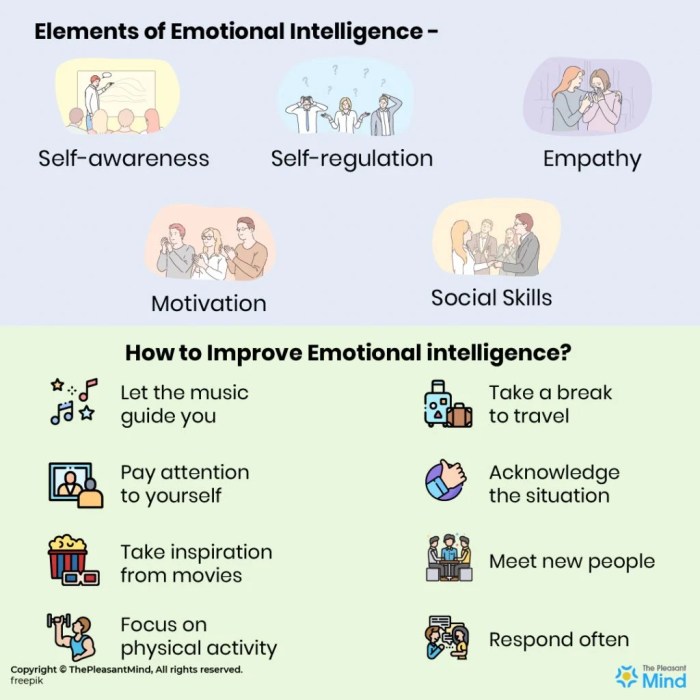
Effective communication is key in enhancing emotional well-being within a relationship. By utilizing strategies such as active listening, conflict resolution, and empathy, partners can build a strong emotional connection and maintain a healthy balance.
Communication Strategies for Emotional Well-being
- Practice active listening by giving your partner your full attention without interrupting.
- Use “I” statements to express your feelings and avoid blaming language.
- Show appreciation and validation towards your partner’s emotions and perspectives.
Importance of Active Listening
Active listening plays a crucial role in fostering emotional connection with a partner. By truly understanding and acknowledging their feelings, you demonstrate care and empathy, which strengthens the bond between you.
Methods for Resolving Conflicts Constructively
- Avoid escalating conflicts by taking a timeout when emotions are running high.
- Focus on the issue at hand rather than resorting to personal attacks.
- Seek compromises and solutions that consider both partners’ needs and feelings.
Role of Empathy in Strengthening Emotional Health
Empathy involves putting yourself in your partner’s shoes and understanding their emotions. By showing empathy, you create a supportive and caring environment that promotes emotional well-being and nurtures a deeper connection in the relationship.
Healthy Snacks
Techniques for improving emotional health in relationships – When it comes to boosting mood and energy levels, choosing nutritious snacks can play a significant role in improving emotional well-being. Not only do these snacks provide essential nutrients, but they can also help stabilize blood sugar levels, which in turn can impact emotional stability.
Nutritious Snack Options
- Raw nuts and seeds
- Fruits like berries, apples, or oranges
- Vegetable sticks with hummus or guacamole
- Greek yogurt with honey and nuts
- Whole grain crackers with cheese
Benefits of Whole Foods
Snacking on whole foods, such as fruits, vegetables, nuts, and seeds, provides a wide range of vitamins, minerals, and antioxidants that are essential for overall health. These snacks are also typically lower in added sugars, unhealthy fats, and artificial ingredients compared to processed snacks, promoting better emotional well-being.
Healthy Snack Recipes
| Easy Trail Mix | Mix almonds, walnuts, dried cranberries, and dark chocolate chips for a satisfying snack. |
|---|---|
| Apple Sandwiches | Slice apples and spread nut butter in between for a crunchy and sweet treat. |
| Veggie Roll-Ups | Take a slice of turkey or ham, spread cream cheese, and wrap around cucumber or bell pepper strips. |
Blood Sugar Levels and Emotional Stability
Choosing snacks that are high in refined sugars and processed ingredients can lead to spikes and crashes in blood sugar levels, affecting mood swings and emotional stability. Opting for snacks that contain fiber, protein, and healthy fats can help regulate blood sugar levels and promote a more balanced emotional state.
Wellness Programs
Wellness programs play a crucial role in supporting emotional health in relationships by providing tools and resources to enhance mental and emotional well-being. These programs focus on promoting self-care, stress management, communication skills, and building resilience, all of which are essential for maintaining healthy relationships.
Types of Wellness Programs
- Individual Counseling: This type of program involves one-on-one sessions with a therapist or counselor to address personal issues and improve emotional well-being.
- Couples Therapy: Couples therapy focuses on improving communication, resolving conflicts, and strengthening emotional connections between partners.
- Mindfulness Workshops: These workshops teach mindfulness techniques to help individuals and couples manage stress, anxiety, and improve emotional awareness.
- Physical Wellness Programs: Engaging in physical activities together, such as yoga or hiking, can improve mood, reduce stress, and strengthen the bond between partners.
Impact of Participating in Wellness Programs
Participating in wellness programs as a couple can have a significant impact on relationship dynamics. By working together to improve emotional health, couples can enhance their communication skills, deepen their emotional connection, and develop a better understanding of each other’s needs and feelings. This shared experience can strengthen the bond between partners and create a more supportive and resilient relationship.
Success Stories
“After attending mindfulness workshops together, my partner and I learned how to manage our stress levels and communicate more effectively. This has brought us closer and helped us navigate challenges in our relationship with more compassion and understanding.” – Sarah and Mark
“Couples therapy not only helped us resolve conflicts but also taught us how to listen to each other and express our emotions in a healthy way. Our relationship has improved significantly, and we feel more connected than ever.” – Emily and James
Physical Therapy
Physical therapy can play a crucial role in alleviating stress and improving emotional health in relationships. By incorporating physical exercises and activities, individuals can enhance their overall well-being, leading to greater emotional resilience and satisfaction in their relationships.
Benefits of Physical Therapy for Emotional Health
- Physical exercises such as yoga, Pilates, and strength training can help reduce stress levels and improve mood by releasing endorphins, also known as “feel-good” hormones.
- Regular physical activity can increase energy levels, improve sleep quality, and boost self-esteem, all of which contribute to better emotional health and relationship dynamics.
- Engaging in physical therapy sessions can provide a sense of accomplishment and empowerment, leading to a more positive outlook on life and relationships.
The Connection between Physical Well-being and Emotional Resilience
- Physical well-being is closely linked to emotional resilience, as taking care of one’s body through exercise and movement can have a direct impact on mental health and emotional stability.
- Improving physical health through therapy can help individuals better cope with stress, anxiety, and other emotional challenges that may arise in relationships.
- Being physically active together as a couple can strengthen emotional bonds, improve communication, and foster a sense of teamwork and support within the relationship.
Role of Physical Therapy in Promoting Overall Wellness
- Physical therapy not only benefits emotional health but also contributes to overall wellness by reducing the risk of chronic diseases, improving mobility, and enhancing quality of life.
- By focusing on physical health, individuals can better manage their emotions, communicate effectively, and navigate relationship conflicts with a clearer and more balanced mindset.
- Incorporating physical activities into daily routines can create opportunities for couples to connect, engage in shared experiences, and strengthen their emotional connection.
Health Coaching
Health coaches play a crucial role in supporting emotional health within relationships by providing guidance, tools, and strategies to help couples navigate challenges and enhance their well-being together.
Tips for Managing Stress and Building Emotional Resilience
- Practice mindfulness and relaxation techniques together, such as deep breathing or meditation.
- Encourage open communication and active listening to address concerns and reduce misunderstandings.
- Create a support system with friends, family, or a therapist to share feelings and gain perspective.
Benefits of Seeking Professional Health Coaching
- Gain personalized strategies and tools tailored to your specific needs and goals as a couple.
- Enhance emotional awareness and self-care practices to improve overall well-being.
- Develop healthier coping mechanisms and communication skills to strengthen your relationship.
Enhancing Communication and Intimacy through Health Coaching
Health coaching can help couples:
- Improve conflict resolution and problem-solving skills to foster a deeper connection.
- Explore shared goals and values to align priorities and strengthen emotional bonds.
- Cultivate empathy and understanding to support each other’s emotional growth and development.
Medical Advancements
Medical advancements have played a crucial role in enhancing emotional health within relationships. These breakthroughs have revolutionized the way couples address and manage emotional challenges, leading to improved overall well-being.
Impact of Technology on Mental Health Support for Couples
Technology has significantly transformed mental health support for couples, providing innovative solutions to address emotional well-being. Teletherapy, mental health apps, and online support groups have made professional help more accessible and convenient for couples in need.
Examples of Medical Breakthroughs for Emotional Well-being in Relationships
- Development of new medications specifically targeting mood disorders and anxiety, providing more effective treatment options for couples dealing with emotional challenges.
- Advancements in neurofeedback technology, allowing couples to better understand and regulate their emotional responses, leading to improved communication and conflict resolution.
- Introduction of virtual reality therapy for couples, offering immersive experiences to work through emotional issues in a controlled and supportive environment.
Leveraging Medical Advancements to Address Emotional Challenges
Couples can leverage these medical advancements by seeking professional guidance from mental health experts who are well-versed in the latest treatments and technologies. By incorporating these innovative solutions into their relationship therapy, couples can effectively address and overcome emotional challenges, leading to stronger and healthier relationships.
Fitness Goals
Physical fitness plays a crucial role in emotional well-being within relationships. When couples prioritize their health and set realistic fitness goals together, they not only improve their physical health but also strengthen their emotional connection.
The Importance of Setting Realistic Fitness Goals
Setting realistic fitness goals as a couple is essential for improving emotional health. By establishing achievable targets, couples can work together to support each other and stay motivated throughout their fitness journey.
- Start small and gradually increase intensity to avoid feeling overwhelmed.
- Communicate openly about individual goals and find common ground to set shared objectives.
- Celebrate milestones and progress to maintain motivation and reinforce the emotional bond.
The Motivational Aspect of Working Towards Fitness Goals Together
Working towards fitness goals as a couple provides a strong motivational factor that drives both partners to stay committed and accountable.
- Encourage each other during challenging workouts and celebrate achievements together.
- Create a supportive environment that fosters teamwork and mutual encouragement.
- Use positive reinforcement and compliments to boost each other’s confidence and motivation.
Success Stories of Couples Achieving Emotional Balance Through Shared Fitness Goals
Many couples have found emotional balance and strengthened their relationship by pursuing fitness goals together.
- One couple reported improved communication and understanding after starting a daily workout routine.
- Another pair shared how reaching their fitness goals boosted their self-esteem and brought them closer emotionally.
- By prioritizing physical health and setting achievable goals, these couples found a deeper connection and emotional fulfillment in their relationship.
Balanced Nutrition
Maintaining a balanced nutrition is crucial for supporting emotional health within relationships. What we eat can have a significant impact on our mood, energy levels, and overall well-being. When both partners prioritize a healthy diet, it can lead to improved emotional stability and strengthen the bond between them.
Creating a Well-Rounded Diet
Eating a variety of nutrient-rich foods is essential for promoting emotional well-being. Include plenty of fruits, vegetables, whole grains, lean proteins, and healthy fats in your diet. Avoid excessive consumption of processed foods, sugary snacks, and high-fat meals, as they can negatively affect your mood and energy levels.
- Make sure to include a colorful variety of fruits and vegetables in your meals to ensure you’re getting a wide range of essential vitamins and minerals.
- Incorporate whole grains like quinoa, brown rice, and oats into your diet to provide sustained energy and support overall brain health.
- Choose lean proteins such as chicken, fish, tofu, and legumes to help regulate neurotransmitters that can impact your mood.
- Opt for healthy fats like avocado, nuts, seeds, and olive oil to support brain function and reduce inflammation in the body.
Meal Planning and Food Choices
Meal planning can be a great way to ensure you’re eating a well-balanced diet that supports emotional resilience as a couple. By preparing meals together and making conscious food choices, you can strengthen your connection and improve your overall health.
- Plan your meals ahead of time to avoid last-minute unhealthy choices and ensure you’re getting a good mix of nutrients throughout the week.
- Cook together as a couple to bond over shared experiences and create healthy habits that will benefit both of you in the long run.
- Choose foods that are rich in antioxidants, vitamins, and minerals to help combat stress and boost your mood naturally.
- Consider trying new recipes and exploring different cuisines to keep your meals exciting and enjoyable.
Nutrient-Rich Foods and Emotional Stability
The link between consuming nutrient-rich foods and improved emotional stability in relationships is well-established. Nutrients like omega-3 fatty acids, magnesium, vitamin D, and B vitamins play a crucial role in supporting brain health and regulating emotions.
- Omega-3 fatty acids found in fatty fish, flaxseeds, and walnuts have been linked to reduced symptoms of depression and anxiety.
- Magnesium-rich foods like leafy greens, nuts, and seeds can help relax the nervous system and improve sleep quality.
- Vitamin D, often referred to as the “sunshine vitamin,” is essential for mood regulation and can be obtained from sunlight exposure and fortified foods.
- B vitamins, found in whole grains, eggs, and dairy products, are important for energy production and neurotransmitter function, which can impact mood and emotional well-being.
Mental Strength
Building mental strength is essential for navigating emotional challenges in relationships. It involves developing resilience, coping mechanisms, and mindfulness practices to maintain emotional well-being as a couple. By incorporating mental exercises into your routine, you can strengthen your emotional health and create a more supportive and understanding relationship environment.
Strategies for Building Mental Strength
- Practice mindfulness: Incorporate mindfulness techniques such as meditation, deep breathing, and grounding exercises to stay present and manage stress effectively.
- Cultivate gratitude: Focus on the positive aspects of your relationship and express appreciation for each other regularly to enhance emotional connection and resilience.
- Set boundaries: Establish healthy boundaries to protect your emotional well-being and communicate openly about your needs and limits in the relationship.
Impact of Mindfulness Practices on Emotional Well-being
- Improved communication: Mindfulness practices can enhance communication skills, empathy, and understanding between partners, reducing conflicts and misunderstandings.
- Stress reduction: By practicing mindfulness, couples can lower stress levels, regulate emotions, and approach challenges with a calmer and more balanced perspective.
- Increased emotional intimacy: Mindfulness fosters emotional connection, vulnerability, and trust, leading to a deeper bond and greater emotional support in the relationship.
Techniques for Developing Resilience and Coping Mechanisms
- Positive self-talk: Challenge negative thoughts and self-doubt by practicing positive affirmations and reframing situations in a more constructive light.
- Seek support: Lean on each other, friends, family, or a therapist for emotional support, guidance, and perspective during challenging times.
- Practice self-care: Prioritize self-care activities such as exercise, hobbies, relaxation, and adequate rest to recharge and maintain emotional balance.
Mental Exercises for Strengthening Emotional Health
- Journaling: Write down your thoughts, feelings, and experiences to process emotions, gain clarity, and reflect on your relationship dynamics.
- Visualization: Imagine positive outcomes, goals, and scenarios to boost motivation, optimism, and resilience in facing relationship challenges.
- Gratitude practice: Keep a gratitude journal, share appreciations daily, or express gratitude towards each other to cultivate positivity and connection.
Yoga Practice
Incorporating yoga into a relationship can have a profound impact on emotional well-being. The practice of yoga not only helps individuals connect with their own emotions but also allows them to connect with their partner on a deeper level.
Benefits of Partner Yoga
Partner yoga is a great way for couples to build trust and intimacy. By practicing yoga together, couples learn to communicate effectively, support each other physically and emotionally, and establish a sense of unity. This shared experience can strengthen the bond between partners and create a safe space for vulnerability.
- Partner Tree Pose: This pose requires partners to balance and support each other, fostering trust and communication.
- Partner Seated Twist: By working together in this pose, couples can release tension and improve flexibility, promoting emotional balance.
- Partner Backbend: This pose encourages partners to open up and trust each other, leading to a deeper emotional connection.
Connection Between Yoga Practice and Communication
Yoga practice emphasizes mindfulness, presence, and deep breathing, which can help individuals regulate their emotions and respond more thoughtfully in challenging situations. By incorporating yoga into their routine, couples can improve their ability to communicate effectively, listen actively, and empathize with each other. This enhanced communication can lead to a more harmonious and fulfilling relationship.
Health Education
Health education plays a crucial role in promoting emotional health within relationships by providing individuals with the necessary knowledge and skills to understand and manage their emotions effectively.
Importance of Understanding Mental Health Concepts
It is essential for couples to have a good understanding of mental health concepts to support each other during challenging times and foster a healthy emotional connection. By recognizing the signs of emotional distress and knowing how to communicate openly about mental health issues, couples can strengthen their bond and create a supportive environment.
Accessing Reliable Health Information
- Consult reputable websites such as the National Institute of Mental Health or the American Psychological Association for accurate and up-to-date information on emotional well-being.
- Attend workshops or seminars led by mental health professionals to gain insights into managing emotions and improving mental health within relationships.
- Consider seeking guidance from a therapist or counselor to address specific emotional challenges and learn effective coping strategies.
Tips for Educating Oneself and Partner
- Initiate open and honest conversations about emotions and mental health to create a safe space for discussing sensitive topics.
- Read books or articles on emotional intelligence and mental health to enhance your knowledge and understanding of emotional well-being.
- Practice active listening and empathy when discussing emotional issues with your partner to promote mutual understanding and support.
Weight Management
Weight management plays a crucial role in emotional health and relationship dynamics. It is important to address this topic as a couple to support each other in achieving goals while maintaining a positive emotional balance.
Impact of Weight Management on Emotional Health and Relationship Dynamics
Weight management can impact emotional health and relationship dynamics in various ways. Excess weight can lead to low self-esteem, lack of confidence, and even strain the relationship due to potential health issues. On the other hand, successful weight management can boost self-confidence, improve overall well-being, and strengthen the emotional connection between partners.
Healthy Ways to Approach Weight Management as a Couple
– Set realistic and achievable goals together.
– Support each other’s efforts without judgment.
– Incorporate healthy habits into your daily routine as a team.
– Communicate openly about challenges and celebrate successes together.
Success Stories of Couples Improving Emotional Connection through Weight Management
Many couples have successfully improved their emotional connection through joint weight management efforts. By working together towards a common goal, they not only achieved physical transformations but also strengthened their bond and communication skills.
Tips on Supporting Each Other in Achieving Weight Management Goals
– Encourage each other in a positive and uplifting manner.
– Plan and prepare healthy meals together.
– Stay active as a couple by engaging in physical activities you both enjoy.
– Seek professional guidance and support if needed to stay on track and motivated.
Health Checkups
Regular health checkups play a crucial role in maintaining emotional well-being within relationships. By monitoring our physical health, we can also address any potential emotional health concerns early on, preventing them from escalating and affecting our relationships negatively.
Importance of Preventive Healthcare
Preventive healthcare through routine health checkups allows individuals to detect any underlying health issues before they become serious. This proactive approach not only ensures physical well-being but also helps in maintaining emotional stability within relationships. By staying on top of our health, we can reduce stress and anxiety levels, leading to a more harmonious connection with our partners.
Benefits of Attending Health Checkups Together
Attending health checkups together as a couple fosters a sense of support and unity. It provides an opportunity to discuss any health concerns openly and work towards a healthier lifestyle as a team. By sharing this experience, couples can strengthen their bond and create a foundation of trust and care, essential for emotional well-being in relationships.
Contribution of Routine Health Screenings
Routine health screenings not only help in early detection of illnesses but also contribute to a healthier emotional connection between partners. By prioritizing regular checkups, couples can actively participate in each other’s well-being, showing care and concern for one another’s health. This shared responsibility strengthens the emotional bond and ensures a supportive environment for facing any health challenges together.
Skin Health
Skin health plays a crucial role in emotional well-being within relationships. The condition of our skin can impact our self-esteem, confidence, and overall perception of ourselves and others in a relationship.
Link Between Skin Health and Emotional Well-being
Taking care of our skin can have a direct impact on how we feel about ourselves and how we interact with our partners. Healthy skin can boost self-confidence and create a positive self-image, leading to better emotional balance in relationships.
Impact of Skincare Routines on Self-esteem and Confidence
Establishing a skincare routine not only improves the physical health of our skin but also enhances our mental well-being. By prioritizing skincare, individuals can feel more confident and comfortable in their own skin, which can positively affect their relationships.
Practicing Skincare Together as a Bonding Activity
Engaging in skincare routines together can be a meaningful bonding activity for couples. By sharing this self-care practice, partners can strengthen their emotional connection, communicate effectively, and support each other’s well-being.
Contributing to Positive Self-image and Emotional Balance
Caring for our skin is a form of self-love that can contribute to a positive self-image. When individuals feel good about their skin, they are more likely to feel good about themselves, leading to improved emotional balance and healthier relationships.
Emotional Health
Emotional health plays a crucial role in maintaining a strong and fulfilling relationship. When individuals prioritize their emotional well-being, it positively impacts communication, trust, and intimacy between partners.
Significance of Emotional Health in Relationships
Emotional health is essential for fostering a healthy relationship as it allows individuals to understand and manage their emotions effectively. It enables partners to communicate openly, express their feelings, and build trust with one another. When both individuals prioritize their emotional well-being, they can navigate challenges more effectively and strengthen their bond.
Impact of Emotional Well-being on Communication, Trust, and Intimacy
Emotional well-being directly influences how partners communicate with each other, the level of trust they have, and the intimacy they share. When individuals are emotionally healthy, they are better equipped to communicate their needs, listen to their partner, and resolve conflicts constructively. Trust is also built upon emotional stability and authenticity, leading to a deeper connection and intimacy in the relationship.
Importance of Prioritizing Emotional Health in Relationships
Personal experiences often highlight the importance of prioritizing emotional health in relationships. For example, couples who actively work on their emotional well-being report higher levels of satisfaction, better conflict resolution, and overall happiness in their relationship. By prioritizing emotional health, partners can create a supportive and loving environment that strengthens their bond.
Actionable Tips for Nurturing Emotional Health as a Couple
1. Practice active listening: Take the time to truly listen to your partner’s thoughts and feelings without judgment.
2. Communicate openly and honestly: Share your emotions, concerns, and needs with your partner in a respectful manner.
3. Practice empathy and compassion: Understand your partner’s perspective and offer support during challenging times.
4. Engage in activities together: Spend quality time engaging in activities that bring joy and connection to your relationship.
5. Seek professional help if needed: Consider couples therapy or counseling to address deeper emotional issues and strengthen your relationship.
Health Motivation
Maintaining a healthy lifestyle and emotional well-being as a couple requires a strong sense of motivation. This drive serves as the foundation for achieving health and wellness goals together, ultimately leading to a happier and more fulfilling relationship.
Strategies for Staying Motivated
- Set realistic and achievable goals: Establishing clear and attainable health objectives can help keep both partners motivated and focused.
- Celebrate small victories: Acknowledge and celebrate progress, no matter how small, to stay motivated and encouraged along the way.
- Stay accountable to each other: Regular check-ins and open communication can help hold each other accountable and provide mutual support.
- Incorporate variety: Keep things interesting by trying out new activities, workouts, or healthy recipes to prevent boredom and maintain motivation.
Benefits of Mutual Encouragement
Mutual encouragement and support within a relationship can strengthen the bond between partners and create a positive environment for pursuing health goals.
- Increased motivation: Having a partner who cheers you on can boost motivation and help overcome challenges.
- Enhanced emotional connection: Working towards common health goals can deepen emotional intimacy and strengthen the relationship.
- Shared experiences: Sharing the journey towards better health can create lasting memories and foster a sense of teamwork and togetherness.
Tips for Overcoming Obstacles
- Communicate openly: Address any obstacles or setbacks together and brainstorm solutions as a team.
- Stay flexible: Be willing to adapt goals or strategies as needed to navigate obstacles and stay committed.
- Practice self-compassion: Be kind to yourselves and each other during challenging times, and remember that setbacks are a natural part of the journey.
- Celebrate progress: Recognize and celebrate achievements, no matter how small, to stay motivated and encouraged.
Physical Activities: Techniques For Improving Emotional Health In Relationships
Engaging in physical activities can have a significant impact on emotional health and relationship satisfaction. Regular exercise routines as a couple can bring numerous benefits and strengthen the bond between partners.
Benefits of Incorporating Regular Exercise Routines
- Improves mood and reduces stress levels, leading to better emotional well-being.
- Promotes physical health, increasing energy levels and overall vitality.
- Enhances communication and teamwork skills, fostering a sense of unity and connection.
- Boosts confidence and self-esteem, creating a positive outlook on life and relationships.
Ideas for Fun and Engaging Physical Activities
- Take a dance class together to enjoy movement and music while bonding.
- Go for a nature hike or bike ride to explore the outdoors and stay active.
- Try yoga or Pilates for relaxation, flexibility, and mindfulness.
- Join a sports team or participate in recreational games for friendly competition and shared experiences.
Tips for Creating a Balanced Physical Activity Plan
- Discuss preferences and goals to find activities that both partners enjoy.
- Schedule regular workout sessions to maintain consistency and accountability.
- Mix up activities to prevent boredom and keep things exciting.
- Support each other’s progress and celebrate achievements along the way.
Health Awareness
Health awareness plays a crucial role in maintaining emotional well-being within a relationship. When partners are informed about health-related topics and are proactive in addressing concerns, it can lead to a stronger bond and enhanced emotional resilience.
Importance of Raising Health Awareness
- Being aware of health issues can help prevent potential problems before they escalate, reducing stress and anxiety within the relationship.
- Understanding each other’s health needs and concerns fosters empathy and support, creating a more nurturing and caring environment.
- Increased health awareness can lead to healthier lifestyle choices, benefiting both partners and promoting overall well-being.
Role of Communication and Transparency
- Open communication allows partners to discuss health concerns openly, leading to better understanding and cooperation in managing any issues.
- Transparency in sharing health information builds trust and establishes a foundation of honesty within the relationship.
- By being transparent about health habits and practices, partners can work together to support each other’s well-being.
Resources for Staying Informed
- Regularly reading reputable health websites, journals, and publications can help partners stay informed about the latest health trends and research.
- Attending health seminars, workshops, or webinars together can be a fun and educational way to learn about various health topics.
- Consulting healthcare professionals for personalized advice and guidance can provide accurate information tailored to each partner’s needs.
Enhancing Bond and Emotional Resilience
- Cultivating health awareness together can create a shared sense of responsibility for each other’s well-being, strengthening the emotional connection between partners.
- By supporting each other’s health goals and encouraging healthy habits, partners can build a solid foundation for a long-lasting and fulfilling relationship.
- Developing a proactive approach to health can increase emotional resilience, helping partners navigate challenges and setbacks more effectively.
Preventive Medicine
Preventive medicine plays a crucial role in promoting emotional health and overall well-being in relationships. By focusing on early intervention and implementing preventive measures, couples can proactively address emotional health concerns before they escalate, leading to a more harmonious and fulfilling relationship.
Benefits of Preventive Medicine
- Reduces the risk of developing serious emotional health issues by addressing concerns at an early stage.
- Promotes open communication and understanding between partners, creating a supportive environment for emotional well-being.
- Empowers couples to take charge of their emotional health and work together towards maintaining balance and harmony.
Examples of Preventive Healthcare Practices
- Regular check-ins to discuss feelings and emotions, fostering a safe space for open dialogue.
- Engaging in stress-reducing activities together, such as meditation or yoga, to alleviate tension and promote relaxation.
- Attending counseling sessions to address any underlying issues and learn healthy coping mechanisms for emotional challenges.
Tips for Incorporating Preventive Medicine Strategies, Techniques for improving emotional health in relationships
- Establish a daily routine that includes self-care practices like mindfulness exercises or journaling to promote emotional well-being.
- Encourage each other to prioritize emotional health by setting aside dedicated time for relaxation and stress management activities.
- Seek professional guidance when needed to address emotional health concerns and prevent them from impacting the relationship negatively.
Nutritional Counseling
Nutritional counseling plays a crucial role in enhancing emotional health within relationships. By providing personalized dietary guidance, couples can experience improved emotional well-being and overall health.
Benefits of Personalized Dietary Guidance
- Customized nutrition plans can address specific emotional health needs of each individual in the relationship.
- Healthy eating habits can lead to increased energy levels, better mood regulation, and reduced stress, all of which contribute to a more harmonious relationship.
- By promoting better physical health, nutritional counseling can indirectly improve emotional health and strengthen the bond between partners.
Success Stories of Couples
- One couple reported feeling more connected and understanding towards each other after following a nutrition plan that focused on mood-boosting foods.
- Another couple experienced a decrease in arguments and conflicts after incorporating stress-reducing foods and mindfulness practices recommended by their nutritional counselor.
- Several couples found that cooking and planning meals together based on their counselor’s advice created a sense of teamwork and mutual support in their relationship.
Tips for Finding Reputable Nutritional Counselors
- Look for certified professionals with a background in nutrition and counseling who specialize in emotional well-being.
- Read reviews and ask for recommendations from trusted sources to ensure the counselor’s credibility and expertise.
- Schedule initial consultations to discuss your goals and assess if the counselor’s approach aligns with your values and needs as a couple.
- Be open to trying new foods and recipes recommended by the counselor, and make gradual changes to your diet for long-lasting results.
Healthy Mind
Maintaining a healthy mind is essential for emotional well-being in relationships. A healthy mindset can foster resilience and promote a positive balance in how couples navigate challenges together. By cultivating mindfulness practices and cognitive strategies, individuals can strengthen their mental health and contribute to a strong and thriving relationship.
Techniques for Cultivating a Healthy Mind
- Practice mindfulness: Engage in activities that promote present-moment awareness, such as meditation or deep breathing exercises.
- Challenge negative thoughts: Identify and challenge negative thought patterns through cognitive restructuring techniques, such as reframing or positive self-talk.
- Seek support: Reach out to a therapist or counselor for professional guidance and support in developing coping mechanisms and improving mental resilience.
- Cultivate gratitude: Practice gratitude journaling or daily reflections to focus on positive aspects of life and relationships.
- Engage in self-care: Prioritize activities that promote self-care and relaxation, such as hobbies, exercise, or spending time in nature.
FAQ Guide
Can improving emotional health enhance overall relationship satisfaction?
Yes, by focusing on emotional well-being, couples can strengthen their bond, improve communication, and foster a deeper connection.
How can active listening benefit emotional health in relationships?
Active listening promotes understanding, empathy, and validation, creating a supportive environment for emotional growth.
Why is empathy important in building emotional health within a relationship?
Empathy fosters emotional connection, builds trust, and enhances communication by acknowledging and understanding each other’s feelings.


More Stories